 Admin
Admin Ask any dermatologist what’s actually behind most hair fall complaints in India, and diet comes up far more often than people expect. It’s rarely one dramatic deficiency. It’s usually years of skipped breakfasts, too much outside food, irregular meal timings, and simply not enough basic nutrients reaching the scalp consistently.
Hair follicles are among the most metabolically active cells in the human body. They divide and regenerate faster than almost any other tissue except bone marrow, which means they demand a constant, uninterrupted supply of protein, iron, zinc, biotin, and antioxidants just to function normally. When that supply dips — even mildly, even without an official “deficiency” diagnosis — hair is usually one of the first places the body quietly pulls resources from.
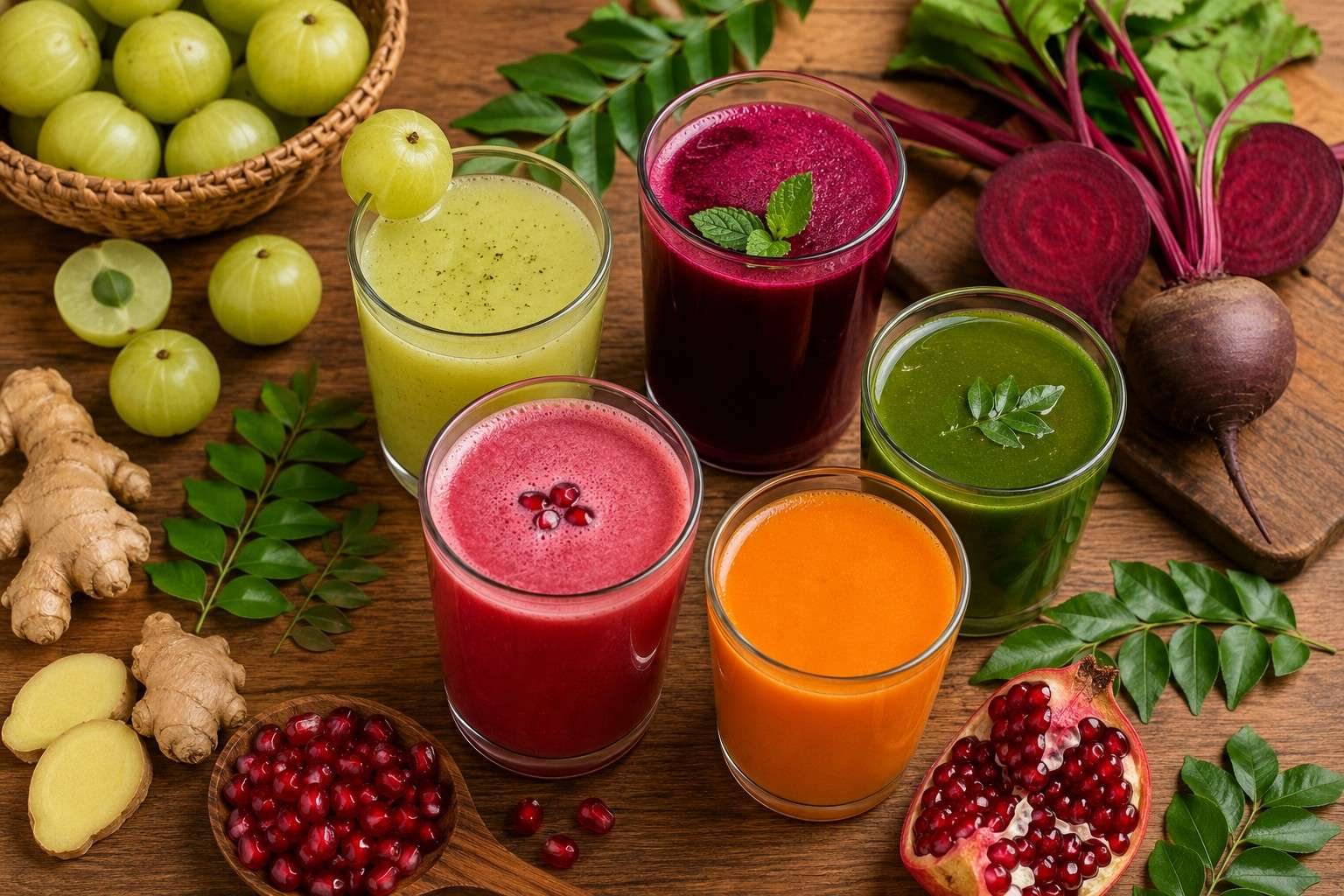
That’s really the entire logic behind hair growth juice recipes. Juicing extracts the water-soluble vitamins, minerals, and plant compounds from fruits and vegetables while removing most of the fiber. Nutrients reach your bloodstream faster and in a more concentrated form than eating the same ingredients whole.
This isn’t a new-age idea either. Ayurvedic nutrition has used fresh extracted juices (swaras) as a delivery method for centuries, specifically because concentrated liquid forms were understood to act faster on the body than solid food.
This list sticks entirely to ingredients available in a regular Indian kitchen or the nearest sabzi mandi. Nothing exotic, nothing you’ll need to import. Each entry explains not just what to make, but the actual reasoning behind why it affects hair the way it does.
1. Amla and Curry Leaf Juice
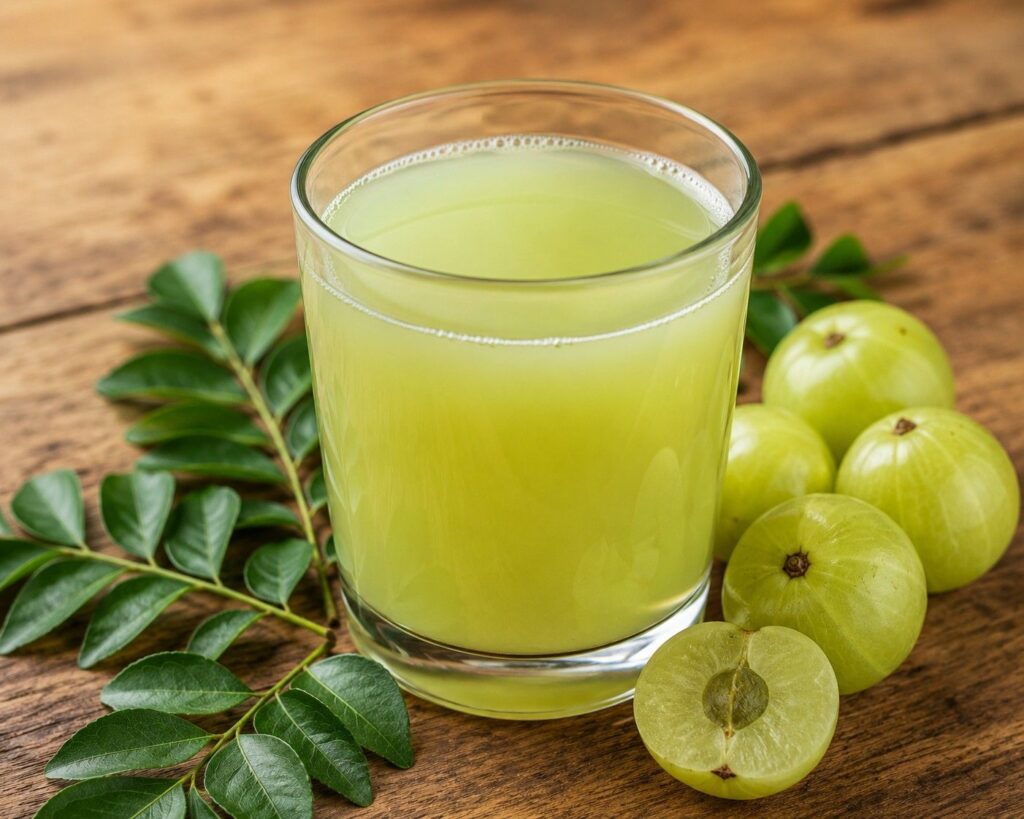
Amla is one of the most vitamin C–dense foods in existence — roughly eight to twenty times more per gram than an orange, depending on ripeness. Vitamin C isn’t just an immunity nutrient; it’s a direct cofactor in collagen synthesis, and collagen forms part of the dermal papilla, the tiny bulb at the base of each hair follicle responsible for feeding the growing strand.
Amla also contains tannins and polyphenols that studies have linked to inhibiting 5-alpha reductase activity — the same enzyme tied to androgenic hair thinning, though its effect via diet is much milder than pharmaceutical options.
Curry leaves add a second layer. They’re rich in beta-carotene, folic acid, and iron — vitamin A regulates sebum production at the follicle, folic acid supports rapid cell division in hair matrix cells, and iron helps carry oxygen to the follicle. In Ayurvedic practice, curry leaves are also traditionally credited with slowing pigment loss, which is why this combination often gets recommended for early greying too.
To prepare it, deseed 3-4 fresh amla and blend with a small handful of curry leaves and half a cup of water, then strain through a fine sieve. Drink within about fifteen minutes — vitamin C oxidizes fast, and a meaningful percentage of amla’s potency is lost within the first half hour.
Three to four times a week, on an empty stomach, is a sustainable frequency. The taste is sharp and slightly astringent; honey softens it but won’t fully mask it.
2. Beetroot, Carrot, and Spinach Juice
This combination targets iron-deficiency-linked hair fall, disproportionately common among Indian women. National health surveys consistently show iron deficiency anemia rates among Indian women among the highest globally, and hair fall is often one of the earliest visible symptoms — showing up well before fatigue or pallor.
Beetroot’s role here is slightly different from what people assume. It’s exceptionally high in dietary nitrates, which the body converts into nitric oxide. This relaxes and widens blood vessels, improving microcirculation — and scalp microcirculation directly determines how efficiently oxygen and nutrients reach each follicle.
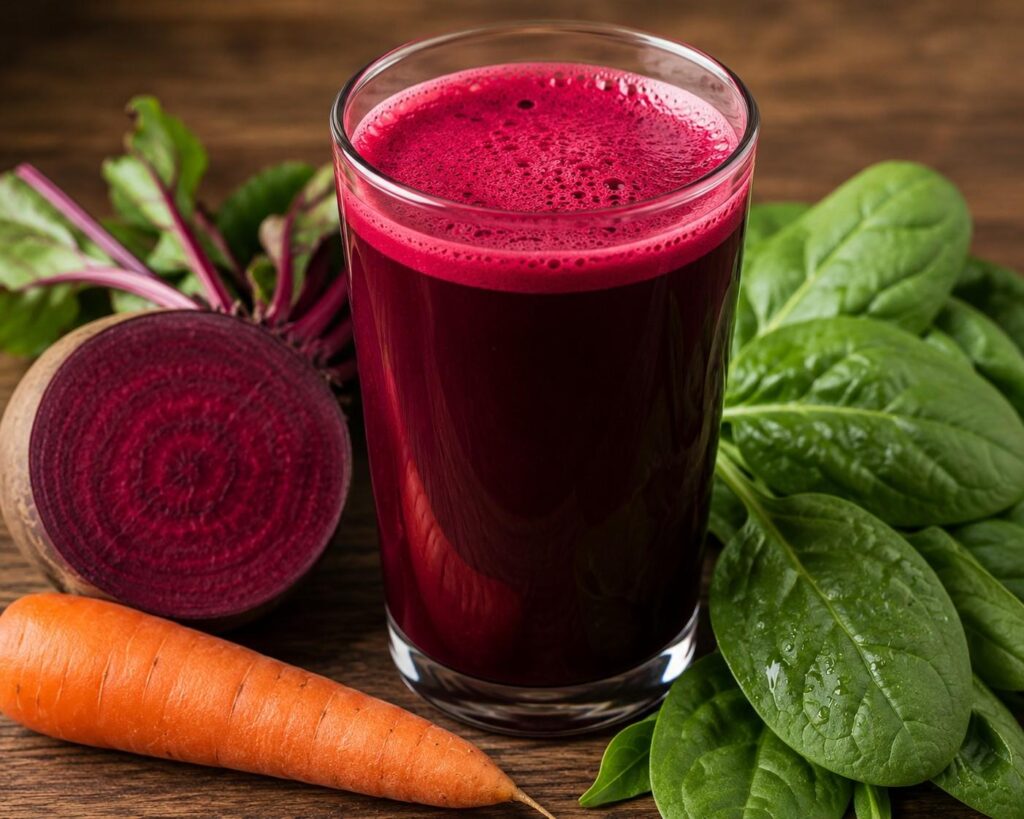
Spinach supplies iron and folate directly, plus a meaningful amount of vitamin A, which regulates the scalp’s natural oil production. Carrots add biotin and additional vitamin A, both tied to keratin infrastructure through their role in fatty acid synthesis.
Juice one medium beetroot, two carrots, and a handful of spinach together, then finish with a squeeze of fresh lemon. The lemon isn’t just for taste — vitamin C dramatically improves absorption of non-heme iron, the plant-based form found in spinach, which is naturally harder to absorb than iron from meat.
Drink this fresh rather than storing it. Beetroot juice oxidizes quickly and turns noticeably more bitter within a few hours.
3. Pomegranate Juice
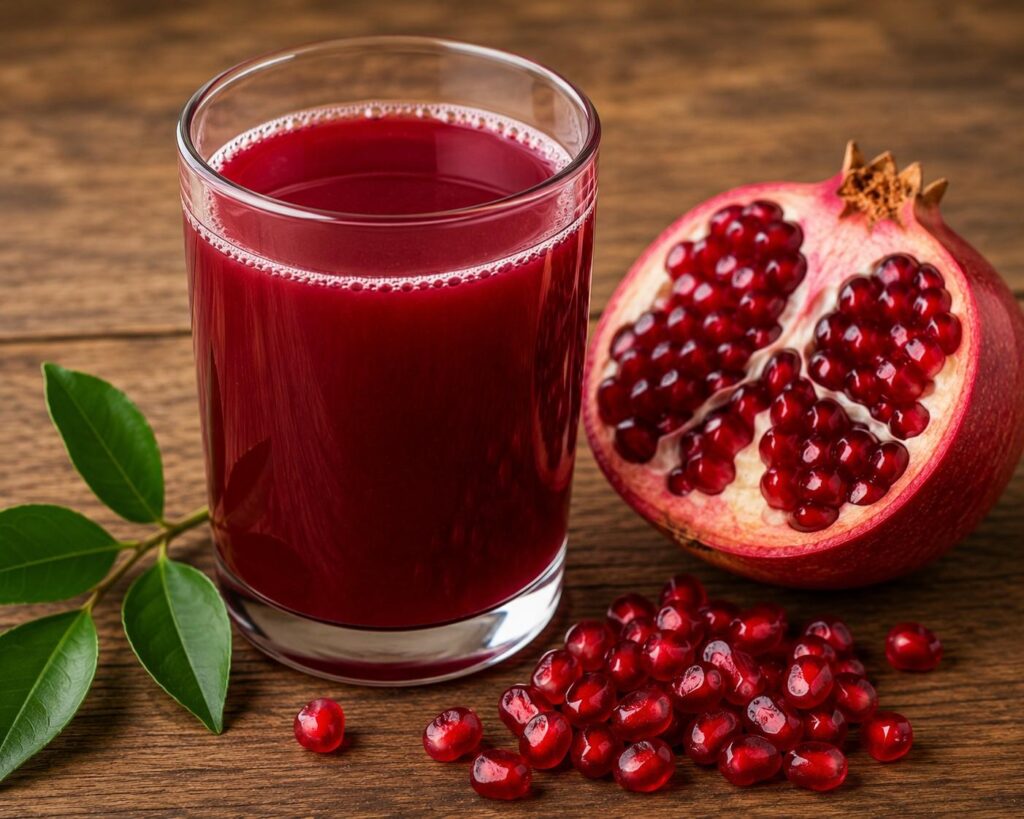
Pomegranate’s benefit for hair comes primarily from punicalagins, a class of polyphenol antioxidants found in unusually high concentration compared to most other fruits. Oxidative stress is increasingly implicated in both accelerated hair thinning and premature greying, since melanocytes — the pigment-producing cells at the follicle — are particularly vulnerable to this kind of cellular damage.
Punicalagins have shown a measurable ability in lab studies to neutralize free radicals more effectively than several other common antioxidant sources. That’s part of why pomegranate specifically, rather than just “any antioxidant fruit,” tends to get recommended for greying concerns.
This juice works best on its own rather than mixed with strongly flavored ingredients, since diluting it reduces the concentration you’re actually consuming. Juice one whole pomegranate, skip any added sugar, and drink it the same day it’s extracted.
If greying or dullness concerns you more than active hair fall, our guide on 10 Best Hair Growth Smoothie Recipes for Thicker, Stronger Hair goes deeper into which fruits support thickness and shine.
4. Onion and Aloe Vera Juice
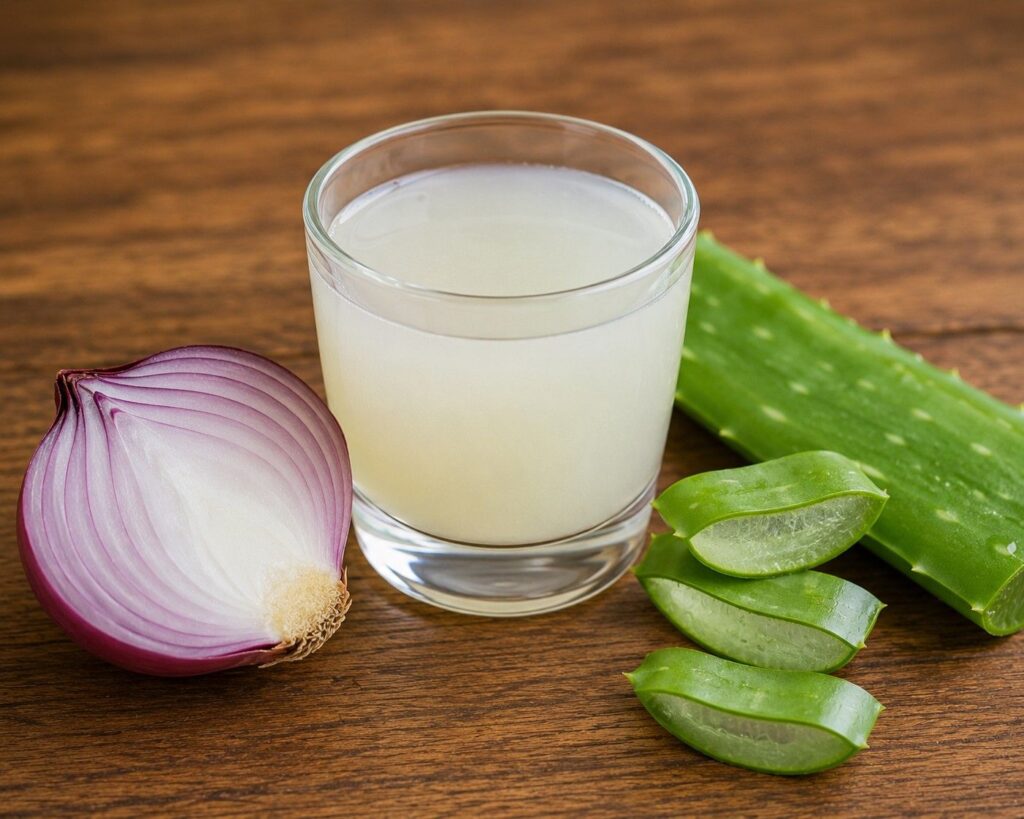
Onions have an unusually high sulfur content for a common vegetable. Sulfur is a core building block of keratin, and specifically essential for forming the disulfide bonds that give hair its structural strength and elasticity.
Weak disulfide bonding is part of why hair becomes prone to breakage rather than clean shedding from the root. Most people only associate onion with topical scalp application, but the same sulfur compounds work internally too, in small diluted amounts.
Aloe vera is added for two reasons: it makes the juice tolerable to drink, and it independently contains enzymes some research links to reduced scalp inflammation and dead skin buildup — both of which can clog follicles.
Blend a small onion with two tablespoons of fresh aloe vera gel and a cup of water, strain thoroughly, and start with a small quantity. This is the strongest-tasting juice on the list, so build tolerance gradually rather than committing to a full glass right away.
5. Cucumber and Bell Pepper Juice
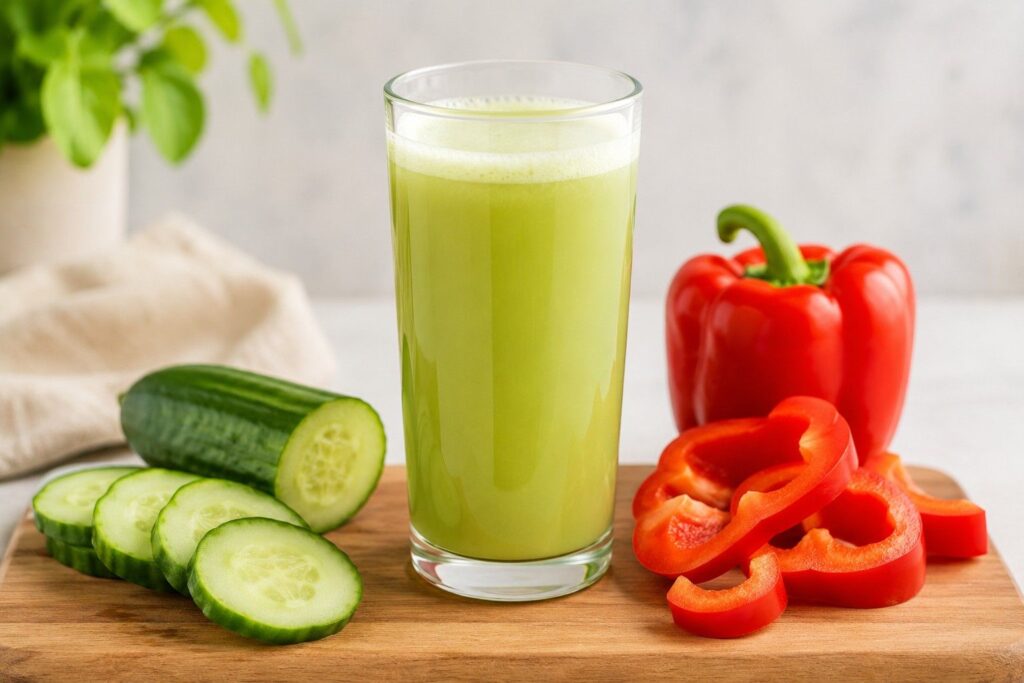
Cucumber contains a meaningful amount of bioavailable silica, a trace mineral associated with improved hair elasticity and reduced breakage. It’s genuinely easy to under-consume in a typical Indian diet, since few common foods concentrate it well.
Bell peppers add an unexpectedly strong vitamin C boost. Red and yellow bell peppers actually contain more vitamin C per gram than oranges, making this pairing quietly one of the more collagen-supportive combinations on this list.
Juice one full cucumber with half a bell pepper. It’s also one of the most hydrating options here, and hydration matters more for hair than most people assume — even mild, chronic dehydration shows up as dryness and breakage before it shows anywhere else.
It’s mild enough to become a genuine daily habit without any digestive discomfort.
6. Bottle Gourd (Lauki) and Mint Juice
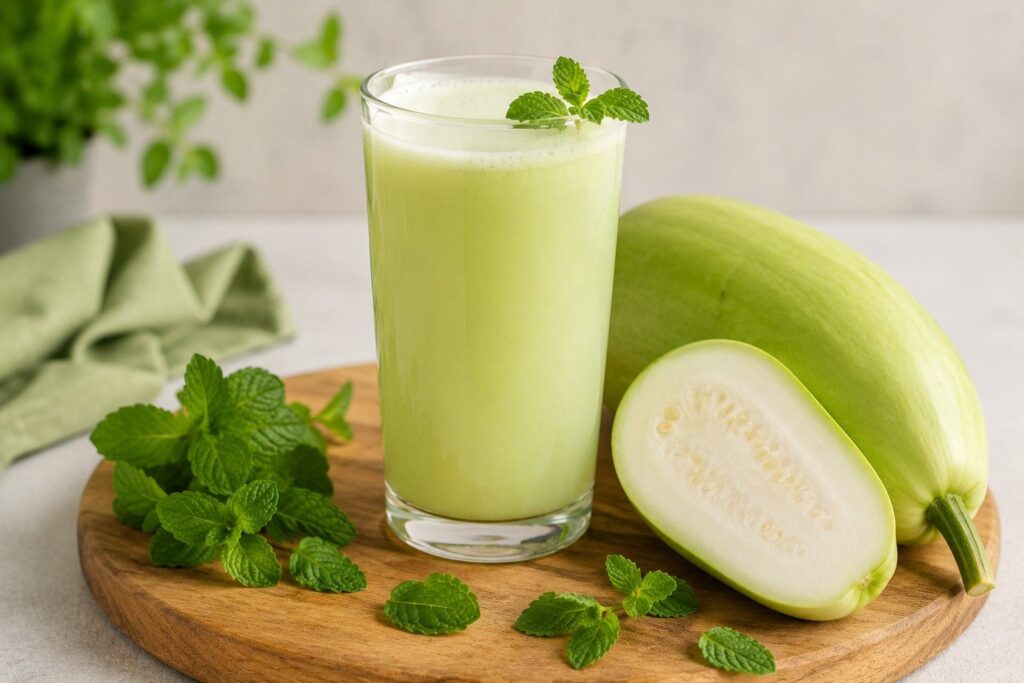
In Ayurvedic classification, bottle gourd is considered a strongly cooling food, traditionally used to pacify excess pitta (heat) in the body. In more practical terms, this cooling property appears to translate into reduced scalp inflammation and lower sebum overproduction.
Chronic low-grade inflammation at the follicle level has been linked in dermatological research to shortened growth phases in the hair cycle. Lauki also carries a reasonable amount of vitamin B and folate, both supportive of the rapid cell turnover hair growth requires.
Juice fresh bottle gourd with a few mint leaves and a small pinch of black salt. Drink it in the morning, particularly through Indian summers and monsoon months, when scalp issues like excess oiliness and irritation tend to spike due to humidity and heat combined.
If hair fall or scalp discomfort spikes for you around this time of year, Common Hair Problems for Indian Students and Professionals Living Abroad covers related climate and lifestyle triggers that often overlap.
7. Hibiscus and Rose Petal Tonic
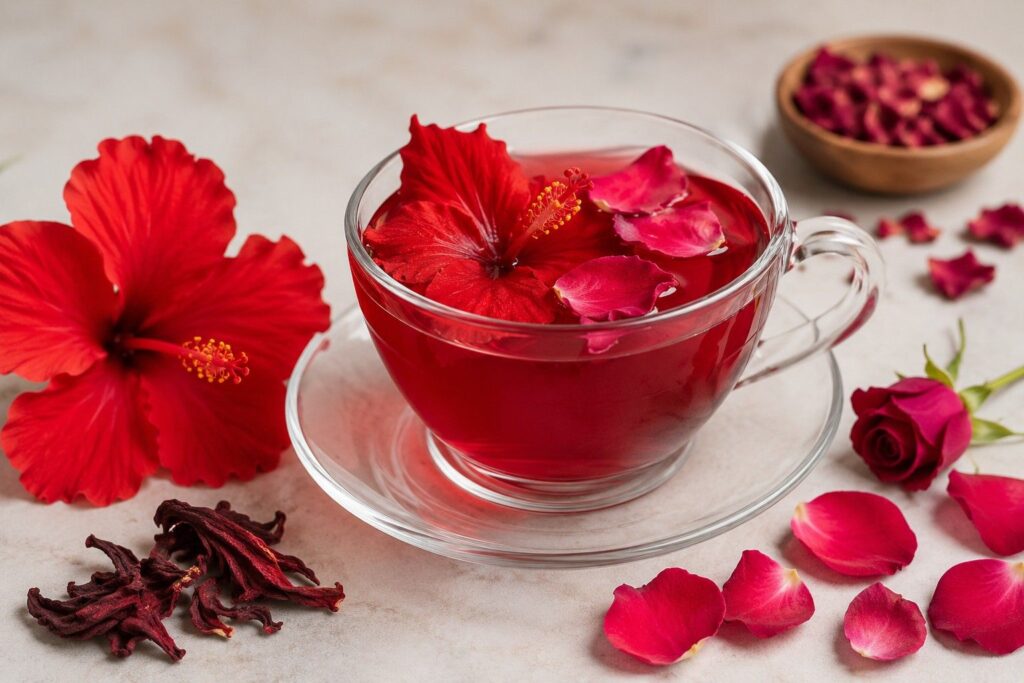
Hibiscus has been part of Indian hair oils and rinses for generations, but its internal use is less commonly discussed despite having a reasonably solid nutritional basis. The flower is rich in amino acids and vitamin C, both tied to keratin production, and contains mild compounds some sources associate with improved scalp blood flow.
Rose petals contribute additional vitamin C along with mild anti-inflammatory properties.
Steep a few hibiscus flowers and rose petals in warm — not boiling — water for about ten minutes, since excess heat can degrade some vitamin content. Strain, let it cool slightly, and stir in a teaspoon of honey.
This isn’t meant to be drunk quickly like the other juices. It’s designed as a slow, calming tonic, best sipped in the evening.
8. Ginger and Lemon Warm Water
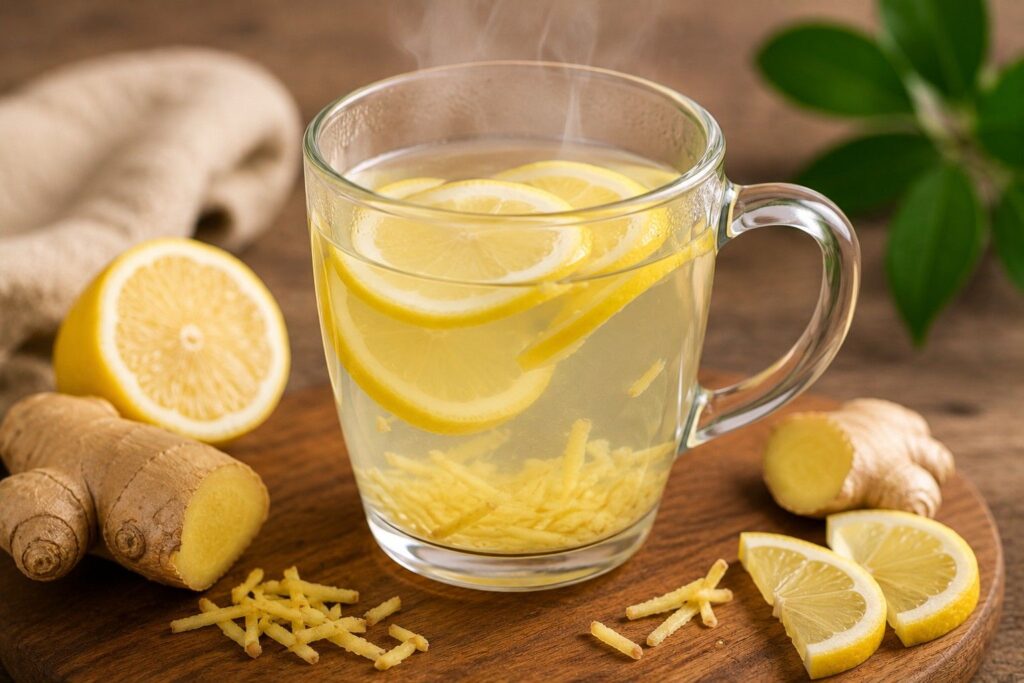
Ginger contains gingerol, a compound with documented anti-inflammatory and mild circulation-boosting effects — both relevant to scalp health, since inflammation and poor circulation are common contributors to sluggish hair growth.
Lemon’s contribution here is almost entirely about iron absorption. Its vitamin C content substantially improves how efficiently the body absorbs non-heme iron from plant-based foods, which matters given how much of the Indian population eats a predominantly vegetarian diet reliant on exactly that harder-to-absorb iron form.
Grate a small piece of fresh ginger into a glass of warm water, squeeze in the juice of half a lemon, and drink it first thing in the morning, ideally before eating anything else.
9. Coconut Water with Mint
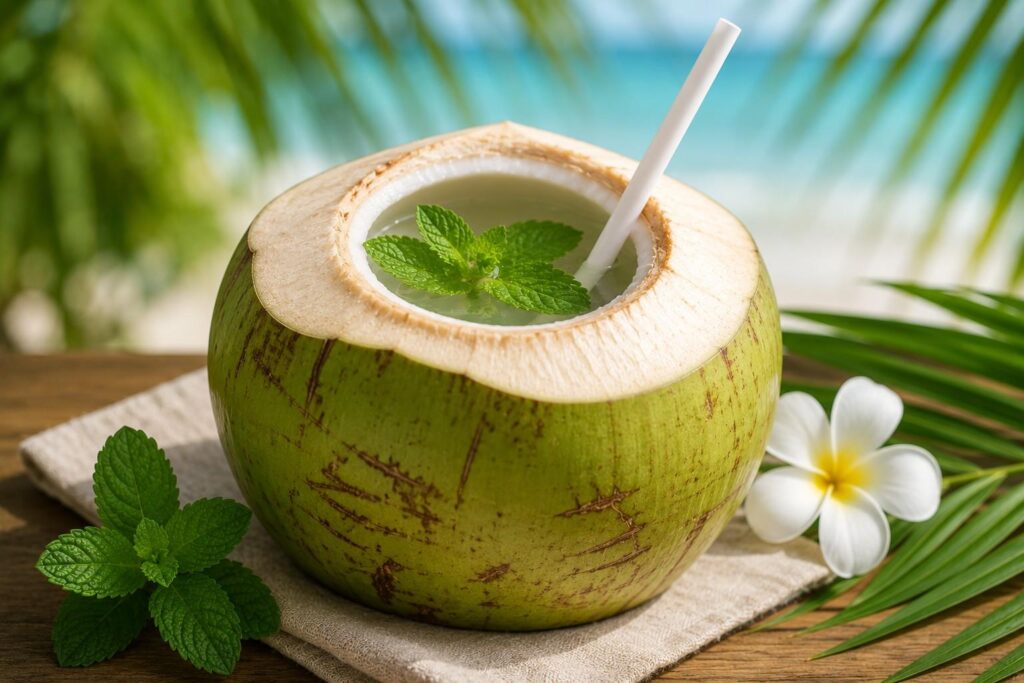
Coconut water contains cytokinins, naturally occurring plant hormones that some early-stage research has associated with slowing cellular aging in hair follicle cells — though this research is still limited compared to more established nutrients on this list.
What coconut water reliably offers is a strong electrolyte profile combined with excellent hydration. Dehydration is a well-established contributor to dry, brittle hair that breaks rather than grows past a certain length.
Add a few crushed mint leaves for a cooling effect. Treat this less like a targeted remedy and more like a daily hydration habit that happens to benefit hair as a side effect.
10. Methi (Fenugreek) Soak Juice
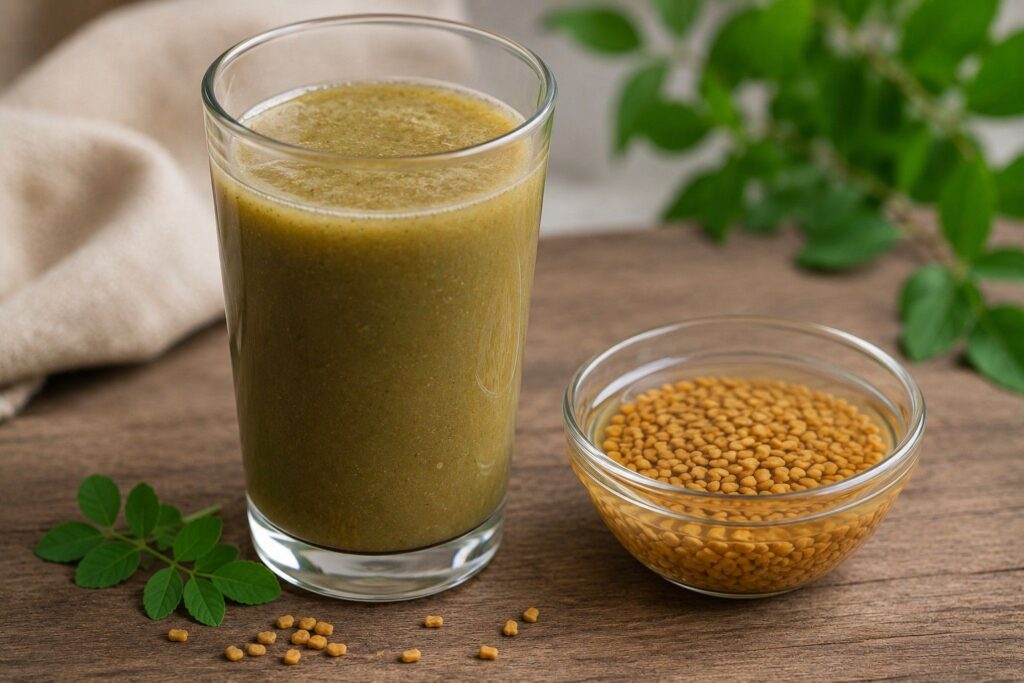
Fenugreek seeds are probably the most widely used home remedy for hair fall across Indian households, and unlike some traditional remedies, this one has a reasonably solid nutritional explanation. The seeds contain a notable amount of protein, along with nicotinic acid and lecithin.
Nicotinic acid supports blood circulation to the scalp, while lecithin contributes to the fatty, protective coating around individual hair strands, helping reduce breakage. Fenugreek also contains compounds some studies suggest may help block DHT activity at the follicle, similar in mechanism to certain pharmaceutical treatments, though much milder.
Soak two tablespoons of fenugreek seeds overnight in water. The next morning, blend the softened seeds with that same soaking water and strain thoroughly.
The resulting liquid is naturally thick and somewhat bitter, so many people add a small piece of ginger or a few mint leaves to make it easier to drink. Limit this to about three times a week — fenugreek is genuinely potent, and consistent, moderate use tends to outperform excessive daily consumption.
Making This Actually Work

The biggest reason people give up on hair growth juice recipes before seeing any real difference is impatience with how the hair growth cycle actually works. Every follicle cycles through growth, transition, and resting phases, and a strand currently in its resting or shedding phase simply won’t respond to nutritional changes overnight.
Realistically, most people need eight to twelve weeks of consistent intake before noticing meaningfully reduced shedding, and closer to three to four months before actual new growth becomes visibly apparent.
Rotating between two or three juices across the week, rather than repeating the same one daily, also tends to produce better results. It exposes the body to a wider range of nutrients rather than repeatedly maxing out the same few compounds.
Morning, on an empty stomach, remains the most effective timing across nearly all of these, since nutrient absorption is generally highest before other food enters the digestive system.
It’s also worth being honest about the limits of juicing alone. If hair fall is sudden, severe, or started shortly after a major life change — relocating, illness, a significant hormonal shift — dietary adjustments should be treated as one part of a broader response, not the entire solution.
This comes up especially often among people who’ve recently moved abroad, where water quality, climate, and diet all shift simultaneously. For a more complete approach, 12 Best Hair Fall Remedies for Indians Living Abroadcovers the layered strategy needed when multiple factors change at once.
Frequently Asked Questions
Which juice works best for hair growth?
Amla and curry leaf juice tends to be the strongest single option because of its vitamin C and beta-carotene combination, both linked to collagen and pigment health. Most people still get better results rotating two or three juices instead of sticking to just one though.
How long before I actually see results?
Less shedding is usually noticeable within six to eight weeks of drinking consistently. Actual new growth takes longer, closer to three or four months, since that lines up with how the hair growth cycle naturally works.
Can I drink these every day?
Most of them, yes. A couple — onion juice and fenugreek juice specifically — are stronger and work better limited to three or four times a week rather than daily.
Is fresh juice actually better than the packaged stuff?
Yes, quite a bit. Vitamin C and several other nutrients in these juices break down fast once exposed to air or processed commercially, so packaged versions lose a lot of their benefit by the time they reach you.
Will these help with hair fall from hard water?
They help from the inside, but hard water damages hair from the outside — the shaft and scalp directly. These juices work best paired with something like a shower filter or clarifying shampoo, not as a replacement for that.
Are any of these unsafe during pregnancy?
Most of these are fine in normal food amounts, but onion juice and fenugreek juice specifically are better limited or avoided during pregnancy given how potent they are. Worth checking with a doctor before starting anything new during this time
Final Thoughts
Hair growth juice recipes work best when they’re treated as a habit, not a quick fix. The real value here isn’t in any one juice — it’s in giving your body a consistent supply of the vitamins, minerals, and antioxidants that hair follicles need to function well, week after week. Amla and curry leaf juice remains the strongest all-round pick for most people, but the right juice genuinely depends on the specific problem you’re trying to solve, whether that’s iron-linked hair fall, early greying, a dry scalp, or slow growth.
Give any routine at least eight to twelve weeks before judging results, since hair simply doesn’t respond faster than its natural growth cycle allows. And remember, juicing works best as one part of a bigger picture — proper sleep, enough protein through the day, and addressing any underlying deficiency will always matter more than juice alone. If nothing improves after a couple of months of consistent effort, it’s worth getting basic iron, B12, and vitamin D levels checked, since diet can only fix what diet is actually the cause of.

 Admin
Admin