 Admin
Admin Why This Matters More in India
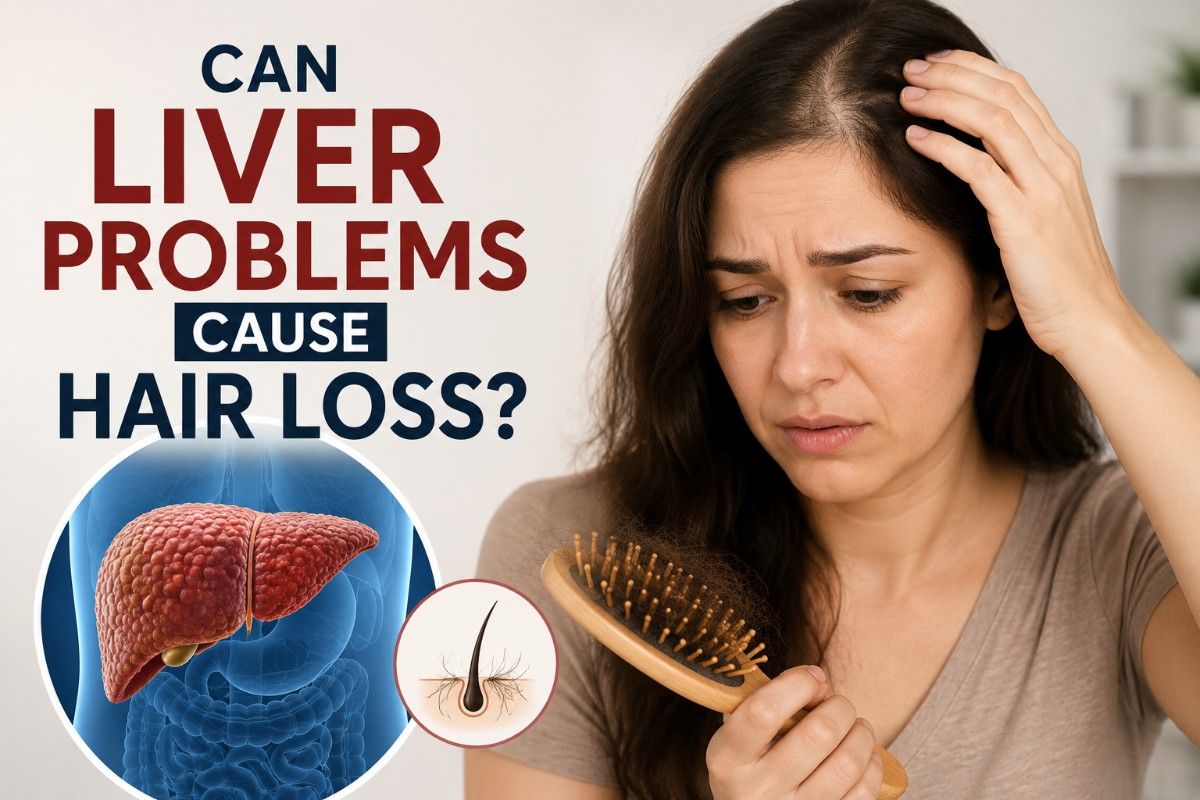
Hair loss is one of the most searched health concerns in India, yet most people blame stress, pollution, or bad shampoos. What they overlook is the liver — an organ that silently runs over 500 body functions, including many that keep your hair healthy and growing.
With rising rates of Non-Alcoholic Fatty Liver Disease (NAFLD) in Indian adults — now affecting an estimated 9–32% of the population according to hepatology research — and poor dietary habits, understanding this liver-hair connection is no longer optional. It’s essential.
Let’s break it down in plain language.
How the Liver and Hair Are Connected
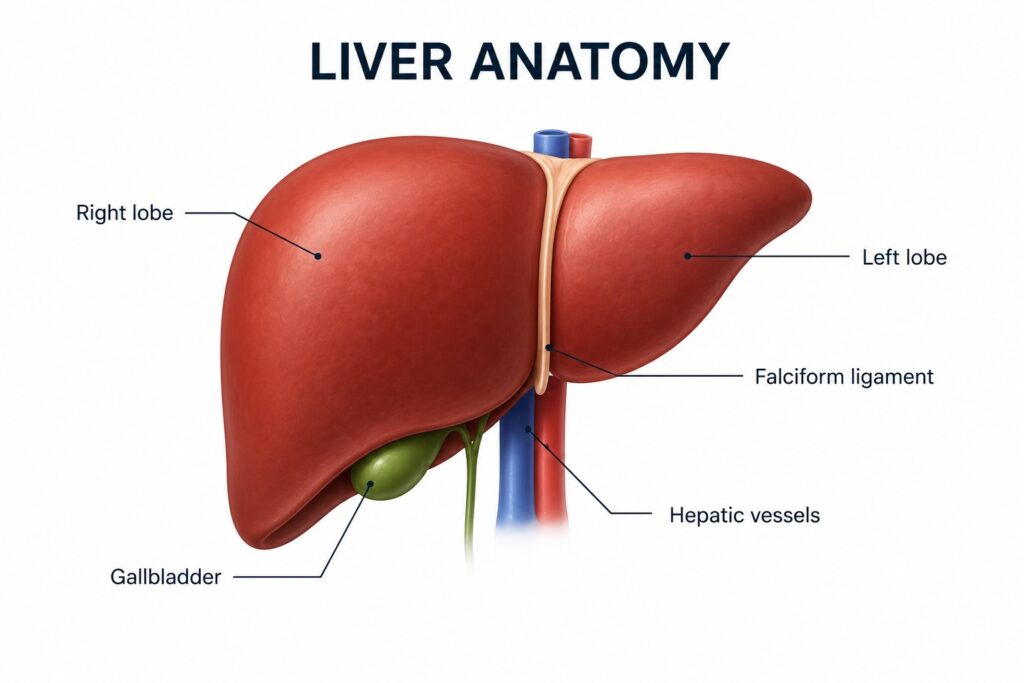
Before diving into the list, understand this: your hair follicles are among the most metabolically active cells in your body. They need a constant, rich supply of nutrients, balanced hormones, and a clean internal environment to function. The liver controls all three.
When your liver is damaged, inflamed, or simply overworked, the supply chain to your hair breaks down — and hair loss follows.
9 Ways Liver Problems Can Cause Hair Loss
1. Nutritional Deficiencies From Poor Liver Function
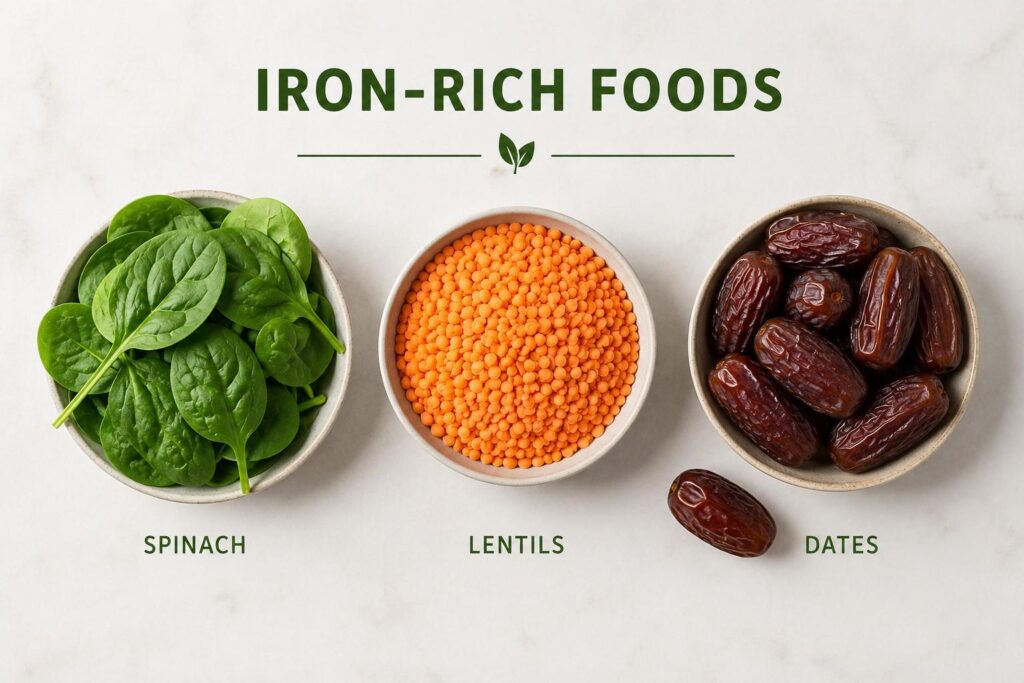
Your liver is responsible for processing, storing, and distributing almost every key nutrient your hair depends on — iron, zinc, biotin, vitamin B12, vitamin D, and proteins. A compromised liver cannot absorb or metabolize these nutrients efficiently.
What happens to your hair: Iron deficiency is one of the most common and direct causes of hair loss (called telogen effluvium) in India, especially in women. Without sufficient iron, hair follicles enter a “resting phase” and shed prematurely.
Who’s most at risk: People with chronic liver conditions like cirrhosis, hepatitis B or C (very prevalent in India), or alcoholic liver disease.
AEO Box: What nutritional deficiencies from liver disease cause hair loss?
Iron, zinc, biotin, vitamin B12, and protein deficiencies — all caused by reduced liver metabolism — are the top triggers.
2. Protein Malnutrition and Low Albumin Levels

Hair is made almost entirely of a protein called keratin. The liver produces albumin, a critical protein that transports nutrients and maintains fluid balance in the body. In severe liver disease, albumin production drops sharply.
What happens to your hair: Low albumin means poor protein transport to hair follicles. This leads to brittle, dry, and rapidly thinning hair — a condition commonly seen in patients with cirrhosis or end-stage liver disease.
Indian context: Protein malnutrition is already a concern in many Indian diets. Add liver dysfunction to the equation and hair loss accelerates dramatically.
3. Hormonal Imbalance Triggered by Liver Damage
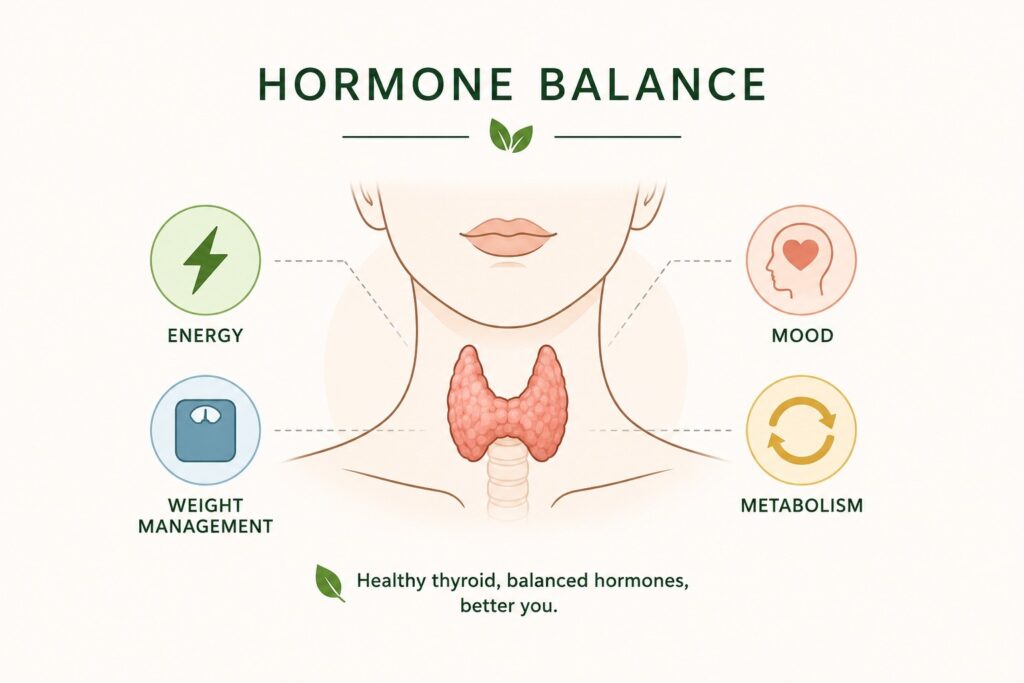
The liver doesn’t just digest food — it metabolizes hormones. It breaks down excess estrogen, testosterone, and other sex hormones to keep levels balanced in your blood.
When the liver is damaged (cirrhosis being the most severe example), it can no longer clear hormones properly. In men, estrogen levels rise abnormally. In women, androgen levels can increase, leading to androgenetic alopecia (pattern hair loss).
What this looks like:
- Men with liver cirrhosis often experience feminization, including hair loss on the scalp, thinning of body hair, and gynecomastia (enlarged breast tissue)
- Women may see temple recession and crown thinning similar to PCOS-related hair loss
Key search question answered: Can cirrhosis cause hair loss in men?
Yes — through estrogen buildup that disrupts the normal hair growth cycle.
4. Toxin Build-Up Due to Reduced Liver Filtration
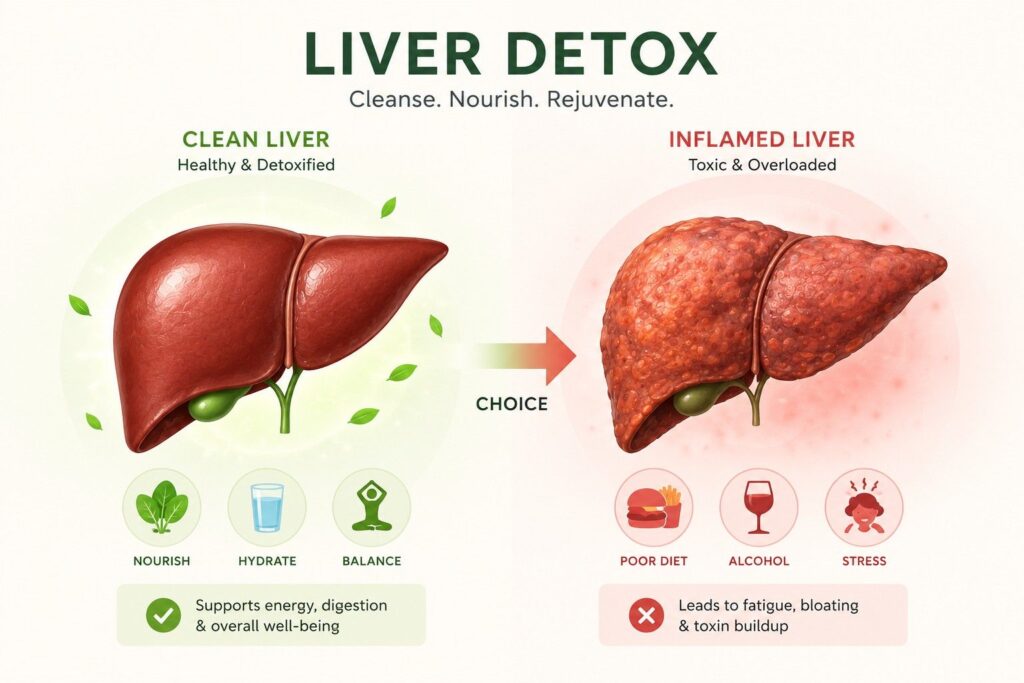
Your liver acts as your body’s filtration plant. Every toxin, metabolic waste product, drug, and pollutant that enters your body is processed and neutralized here. When the liver fails to filter efficiently, toxins accumulate in the bloodstream.
What happens to your hair: These circulating toxins create a state of internal inflammation. Chronic systemic inflammation is one of the leading causes of hair follicle miniaturization — where follicles progressively shrink until they can no longer produce visible hair.
In India: Exposure to heavy metals (arsenic, lead) through contaminated water in rural areas, combined with liver stress, can accelerate this process dangerously.
5. Bile Acid Abnormalities and Fat-Soluble Vitamin Deficiency
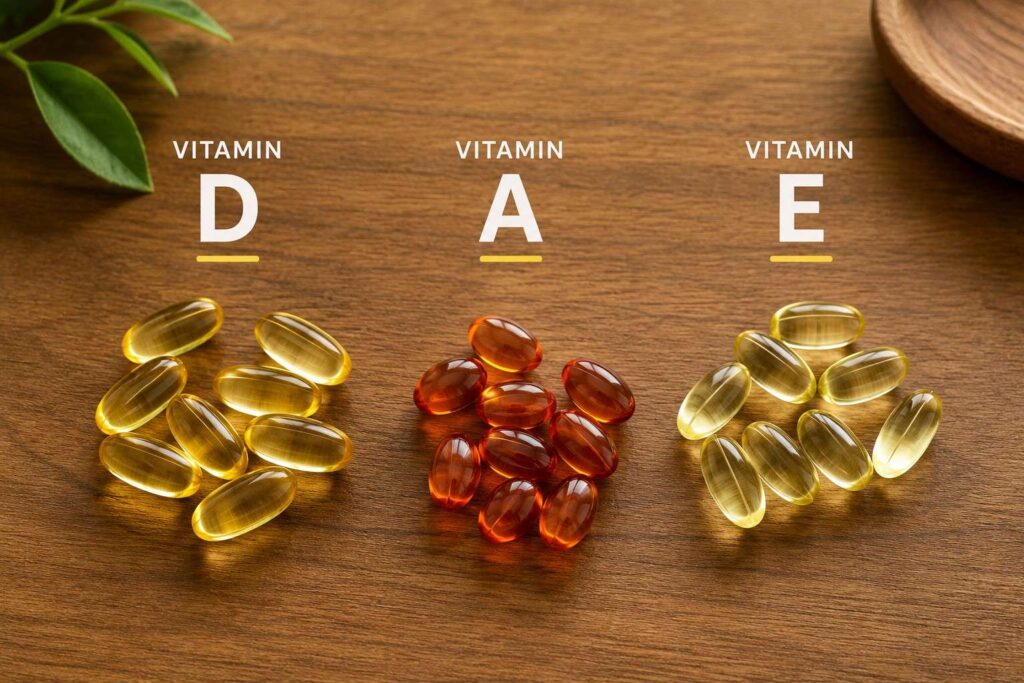
The liver produces bile, which is essential for digesting fats and absorbing fat-soluble vitamins — A, D, E, and K. Liver disease disrupts bile production and flow, leading to malabsorption of these critical vitamins.
How this affects hair:
- Vitamin D deficiency is strongly linked to alopecia areata (patchy hair loss) — a condition increasingly diagnosed in urban Indians
- Vitamin A deficiency disrupts keratinocyte production, slowing hair regrowth
- Vitamin E is a key antioxidant that protects hair follicle cells from oxidative damage
Practical tip: If you have any diagnosed liver condition and are experiencing hair loss, ask your doctor to test your fat-soluble vitamin levels specifically — not just the standard panel.
6. Chronic Inflammation From Hepatitis B and C
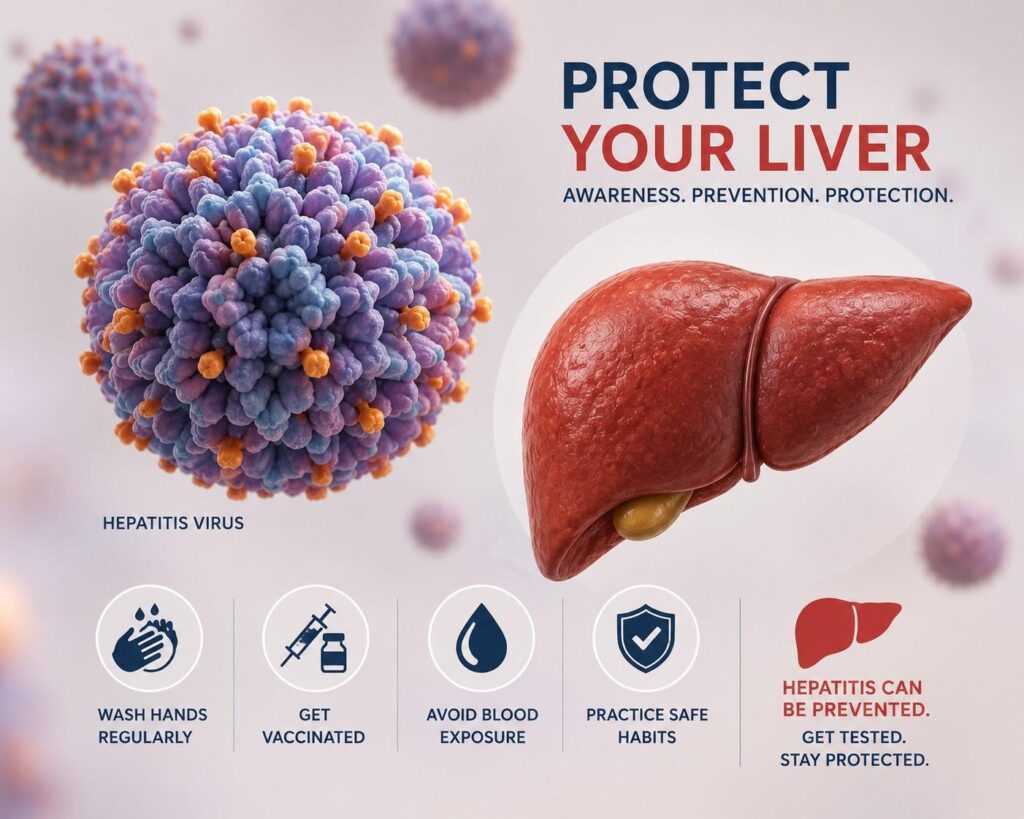
India has one of the highest burdens of Hepatitis B in the world, with over 40 million people chronically infected. Hepatitis C, while less prevalent, is also underdiagnosed. Both viral infections cause chronic liver inflammation — and chronic inflammation anywhere in the body affects hair.
The mechanism: Inflammatory cytokines (chemical signals produced during liver inflammation) travel through the bloodstream and can disrupt the hair follicle cycle, pushing more hairs into the shedding phase simultaneously.
This type of hair loss often appears as sudden, diffuse thinning across the scalp rather than patterned hair loss — which is why it often gets confused with stress-related hair loss.
AEO Answer: Does hepatitis cause hair loss?
Yes. Chronic hepatitis B and C cause systemic inflammation that can push hair follicles into the shedding (telogen) phase, resulting in diffuse hair loss.
7. Medications Used to Treat Liver Disease Can Cause Hair Loss

This is one of the most overlooked causes. Many medications prescribed for liver conditions carry hair loss as a known side effect:
- Interferon therapy (used for hepatitis C) — documented to cause significant telogen effluvium
- Ribavirin (antiviral used alongside interferon) — can cause hair thinning
- Diuretics (spironolactone, furosemide) used in managing liver cirrhosis with fluid retention — can deplete zinc and cause hair loss
- Immunosuppressants used post liver transplant — well-known causes of chemotherapy-like hair loss
What to do: Never stop prescribed medication on your own. Instead, speak to your hepatologist about the hair loss. Nutritional supplementation (under medical guidance) and topical treatments can often manage medication-induced hair loss without changing the underlying treatment.
8. NAFLD (Fatty Liver Disease) — India’s Silent Epidemic Linked to Hair Loss
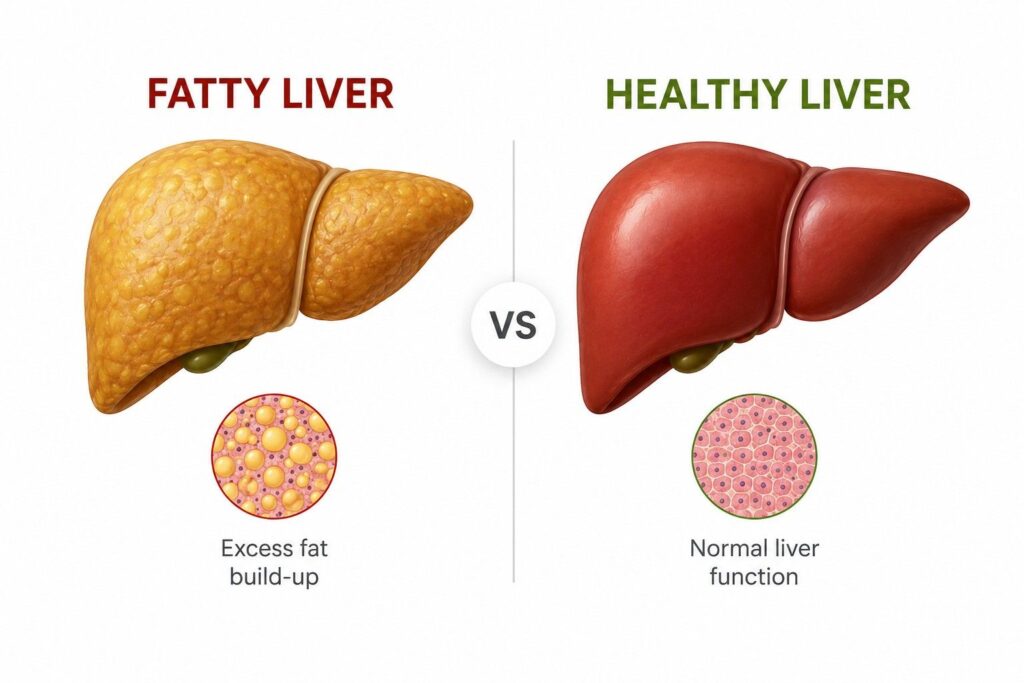
Non-Alcoholic Fatty Liver Disease is now India’s most common liver disorder, and it’s rising rapidly among people in their 30s and 40s — even among those who are not overweight. NAFLD is strongly associated with insulin resistance, metabolic syndrome, and hormonal disruption.
The hair loss connection:
- Insulin resistance from NAFLD drives androgen excess in women → hair thinning
- Elevated liver enzymes indicate inflammation → systemic oxidative stress → weakened follicles
- Poor fat metabolism from NAFLD → reduced absorption of omega-3 fatty acids → dry scalp and brittle hair
Why Indians are at higher risk: South Asians have a genetic predisposition to developing NAFLD at lower BMI levels compared to Western populations. You don’t need to be obese to have a fatty liver — and you don’t need to have visible liver symptoms to experience liver-linked hair loss.
9. Wilson’s Disease and Hemochromatosis — Rare But Important
Two lesser-known genetic liver disorders deserve a mention because they commonly present with hair loss as an early symptom:
Wilson’s Disease — causes copper accumulation in the liver, brain, and other organs. Excess copper is toxic to hair follicles and leads to premature thinning, often in young adults in their 20s.
Hemochromatosis — causes iron overload in the liver. Paradoxically, even though iron deficiency causes hair loss, extreme iron overload from this condition also damages follicles through oxidative stress.
Why this matters in India: Both conditions are underdiagnosed because their symptoms (fatigue, hair loss, joint pain) are vague and attributed to other causes. If you have unexplained hair loss with abnormal liver function tests and no clear cause, ask your doctor about these conditions.
What Are the Signs That Your Hair Loss May Be Liver-Related?
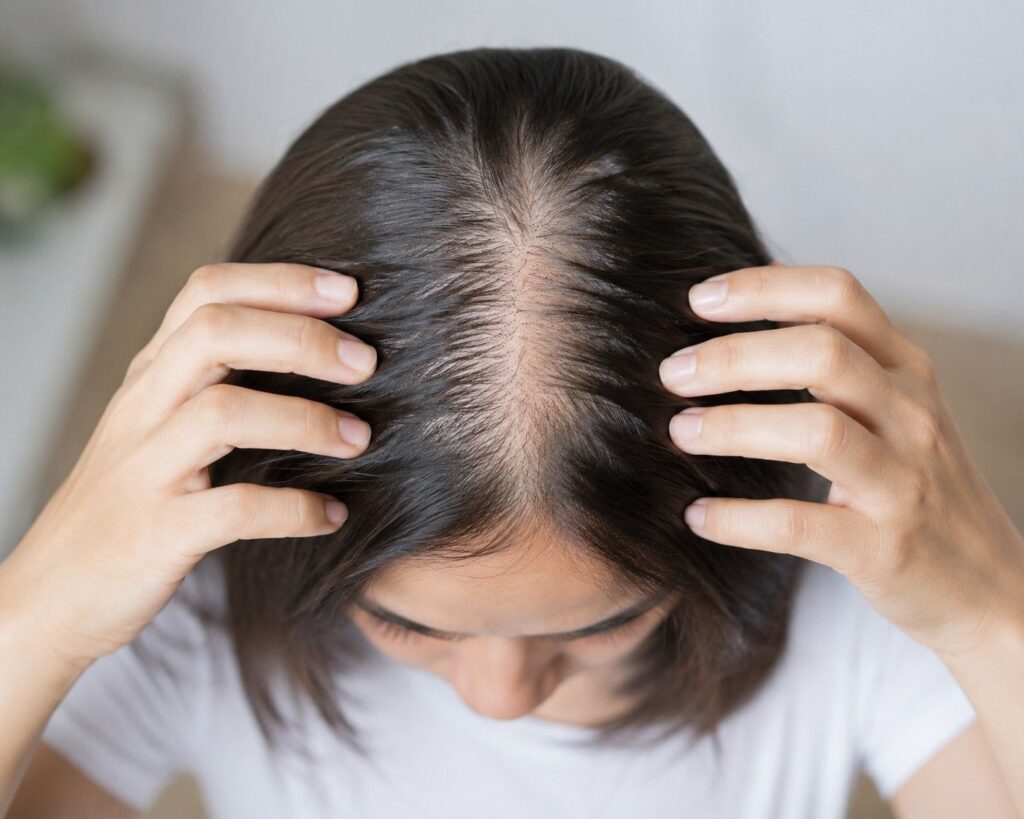
Not all hair loss is liver-related, but these patterns are telling:
- Diffuse shedding (losing hair from all over the scalp, not a specific patch)
- Hair loss accompanied by fatigue, yellowing of eyes or skin (jaundice), or abdominal swelling
- Hair loss that started alongside digestive issues, changes in stool colour, or unexplained weight loss
- Brittle nails and dry skin accompanying hair fall
- No response to standard hair loss treatments like minoxidil after 6+ months
If you notice 3 or more of these together, a liver function test (LFT) should be your next step — before spending more money on hair products.
For more information: https://hairglowguide.com/grow-hair-back-with-food-indian-diet-guide/ ; https://hairglowguide.com/hair-care-oil-benefits/ ; https://hairglowguide.com/best-hair-care-routine/1
Frequently Asked Questions
Q: Can fatty liver cause hair loss?
Yes. NAFLD causes insulin resistance and hormonal imbalance, both of which are linked to androgenetic alopecia and diffuse hair thinning in both men and women.
Q: Will hair grow back after liver disease treatment?
In most cases, yes — especially when the liver condition is treated early. Hair loss caused by nutritional deficiency or inflammation is often reversible once the underlying cause is addressed. Medication-induced hair loss also tends to resolve after the course ends.
Q: Which liver condition causes the most hair loss?
Cirrhosis (end-stage liver scarring) causes the most severe hair loss due to the combination of protein malnutrition, hormonal imbalance, and toxin buildup it creates.
Q: What tests should I get if I suspect liver-related hair loss?
Ask your doctor for: Liver Function Tests (LFT), serum ferritin and iron studies, vitamin D and B12 levels, serum albumin, thyroid panel (to rule out concurrent thyroid issues), and a hepatitis B and C screen.
What Can You Do Right Now?
Step 1: Get tested. Before buying any supplement or treatment, get a full liver function test and nutritional panel. Self-diagnosing is the most expensive mistake you can make.
Step 2: Address the root cause. Hair loss treatment will not work sustainably if the liver issue is not being treated simultaneously.
Step 3: Support your liver and hair together:
- Eat a diet rich in antioxidants (amla, turmeric, leafy greens) — protective for both liver cells and hair follicles
- Reduce alcohol consumption entirely if any liver condition is present
- Ensure adequate protein intake (dal, paneer, eggs, fish) — critical for both liver repair and keratin production
- Stay hydrated — even mild dehydration stresses the liver and slows nutrient delivery to follicles
Step 4: Work with the right specialists. You may need both a dermatologist and a hepatologist working together. Don’t treat your hair and liver in isolation.
The Bottom Line
Hair loss is rarely just a hair problem. Your body is an interconnected system — and the liver is one of its most powerful controllers. Whether it’s fatty liver disease affecting millions of Indians quietly, chronic hepatitis disrupting your immune system, or cirrhosis altering your hormonal balance, the connection between liver problems and hair loss is real, scientifically grounded, and largely underappreciated.
If your hair loss has no obvious cause — don’t ignore your liver. One blood test could change everything.
Always consult a qualified medical professional before starting any treatment. This article is for informational purposes only.
Tags: hair loss causes India, can liver problems cause hair loss, fatty liver hair loss, liver disease symptoms, NAFLD hair loss, hepatitis hair loss, hair fall reasons, liver and hair connection

 Admin
Admin