 Admin
Admin Quick answer: Your hair is made of up to 95% keratin — a protein. Without adequate dietary protein, your body redirects it to vital organs and your hair follicles starve first. The result? Shedding, thinning, slow growth.
Hair fall is one of India’s most common concerns. Whether it’s the scorching summer heat, mineral-heavy water, or postpartum hormonal shifts — the roots of the problem are often nutritional. And the single biggest nutritional gap? Protein.
A landmark 2024 review in the International Journal of Trichology confirmed that hair shafts are nearly 100% keratin protein — meaning every strand you grow depends entirely on the amino acids you eat. When your diet is protein-poor, your body doesn’t just slow down hair growth; it actually pushes follicles prematurely into the shedding phase (called telogen effluvium).
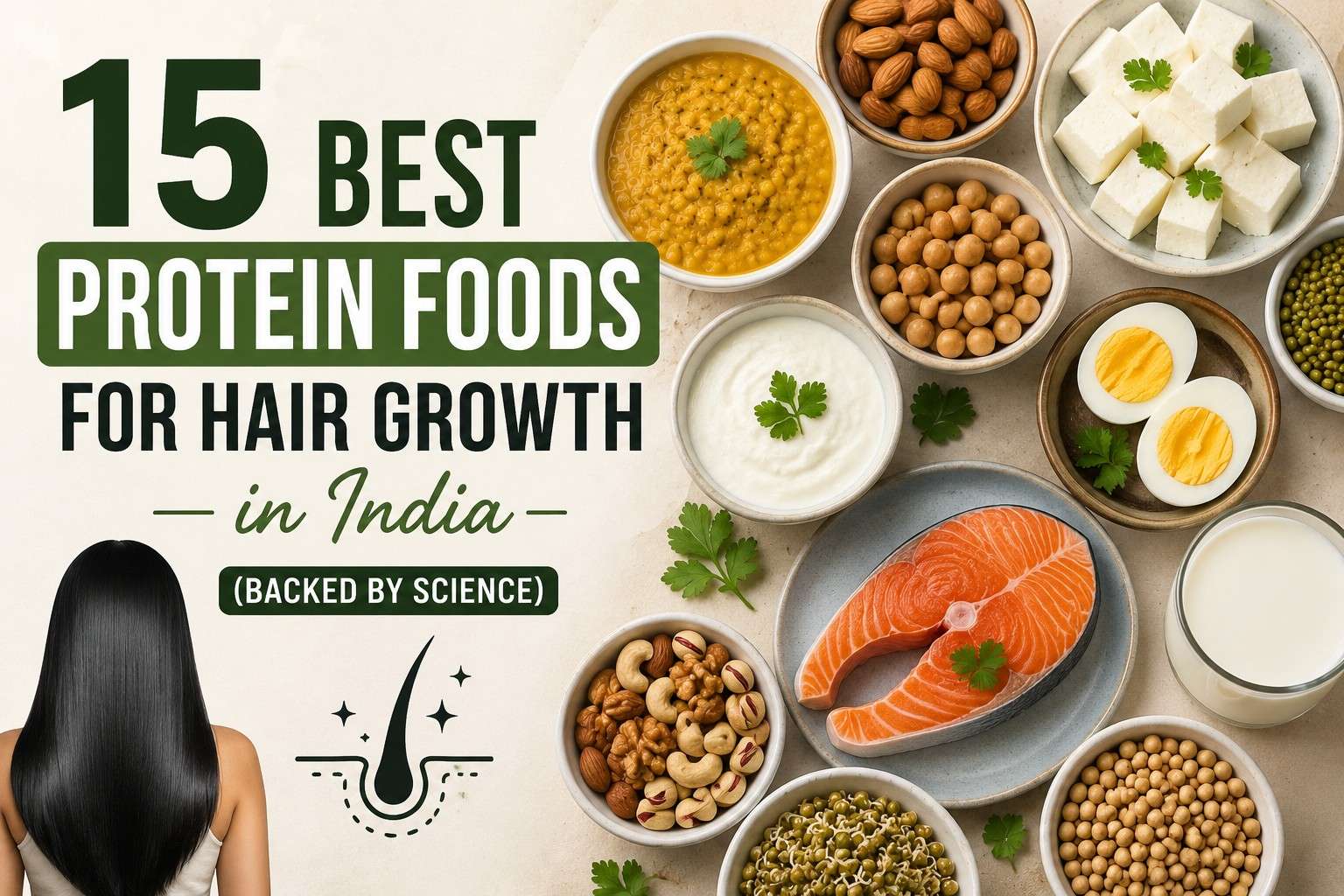
The good news? India’s cuisine is a goldmine of protein-rich foods — many of which are affordable, plant-based, and traditionally eaten daily. This article lists the 15 best protein foods for hair growth that are easily available across India, with science-backed reasons why each one works.
How much protein do you actually need for hair growth?
The standard recommendation is 0.8g per kg of body weight per day. For hair health specifically, experts suggest aiming slightly higher — around 1.0 to 1.3g per kg. For a 60 kg person, that’s roughly 60–78g of protein daily, ideally spread across 3–4 meals in 20–30g portions so your body absorbs it efficiently.
95%Of hair shaft is keratin protein 1.3gProtein per kg bodyweight (hair-optimal) 30gMax protein absorbed per meal 70%Hair fall cases in India linked to nutritional gaps
The 15 Best Protein Foods for Hair Growth
We’ve organized this list to include both vegetarian and non-vegetarian options — so every Indian reading this, regardless of dietary preference, can build a hair-nourishing plate.
01 Eggs (Anda)
Top pick
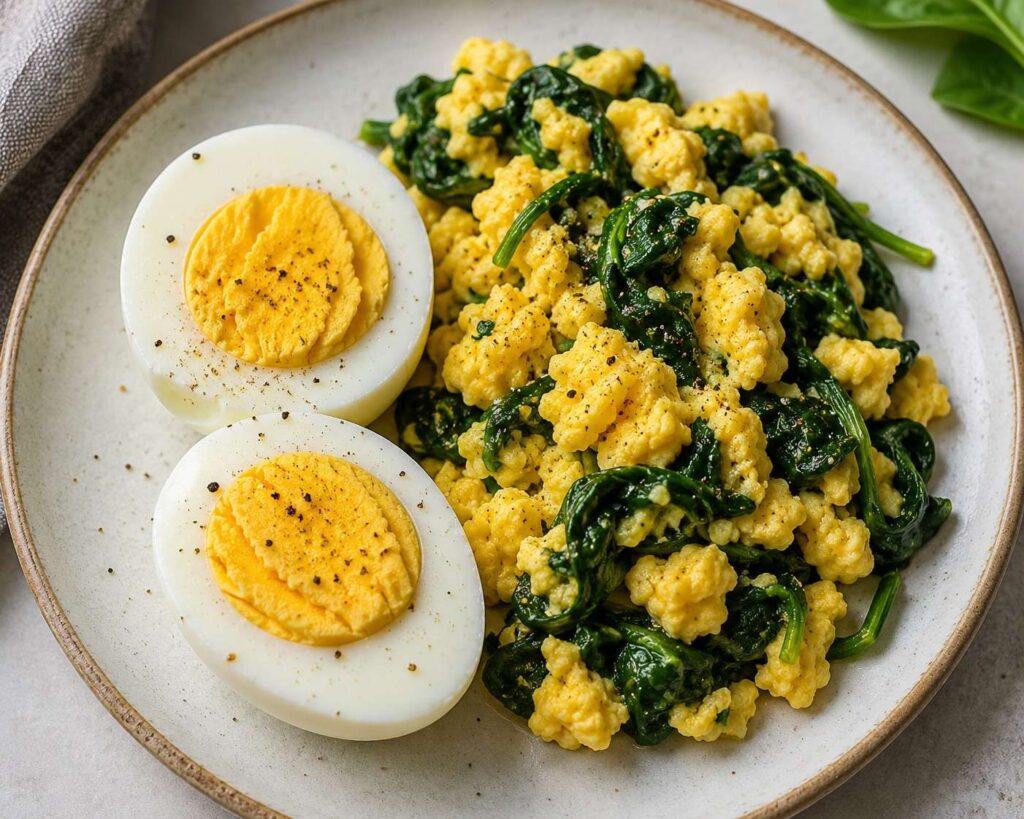
Eggs are widely considered the single most complete food for hair. The white is pure, highly bioavailable protein, while the yolk delivers biotin — the B-vitamin most directly responsible for keratin production. Two eggs contain roughly 12–14g of protein with all 9 essential amino acids your follicles need.
Biotin deficiency is a lesser-known but surprisingly common cause of hair thinning in India, especially among women who skip the yolk. Eating the whole egg — not just egg white — gives you the full hair-building package.
~14g protein / 2 eggs Biotin (B7) Iron + Zinc Selenium
Indian kitchen tip: Have boiled anda for breakfast with your chai. Scramble them with palak for an iron + protein double boost.
02 Dal (Lentils) — Every Variety
Vegetarian staple
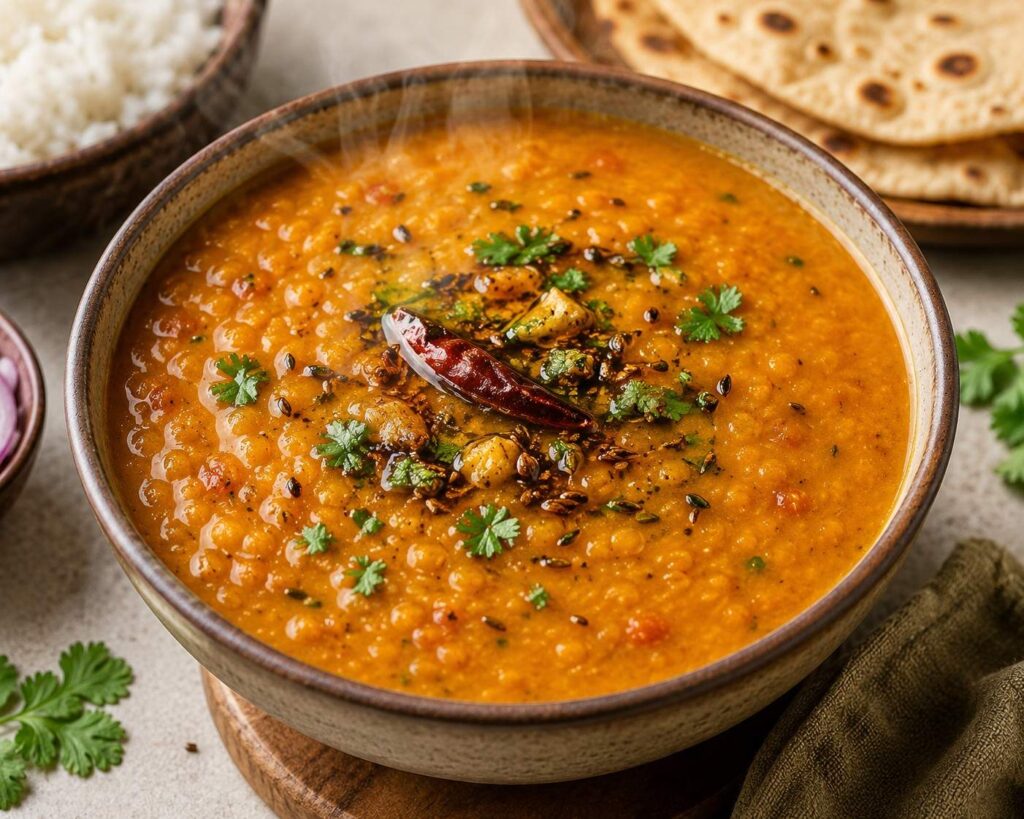
Dal is India’s greatest hair food hiding in plain sight. A single cup of cooked masoor dal delivers approximately 18g of plant protein, along with iron, zinc, biotin, and folate — all nutrients essential to the hair growth cycle. Moong dal, toor dal, chana dal, urad dal — each variety brings a slightly different nutrient profile, so rotation is key.
Iron deficiency is the leading cause of hair fall in Indian women (especially those with heavy menstrual cycles or postpartum). Dal addresses this directly as one of the richest plant-based iron sources available at any local kirana store.
~18g protein / cup Iron + Folate Zinc Biotin
Pro tip: Pair dal with a small amla or a squeeze of lemon — Vitamin C significantly increases iron absorption from plant sources.
03 Paneer
Vegetarian favourite
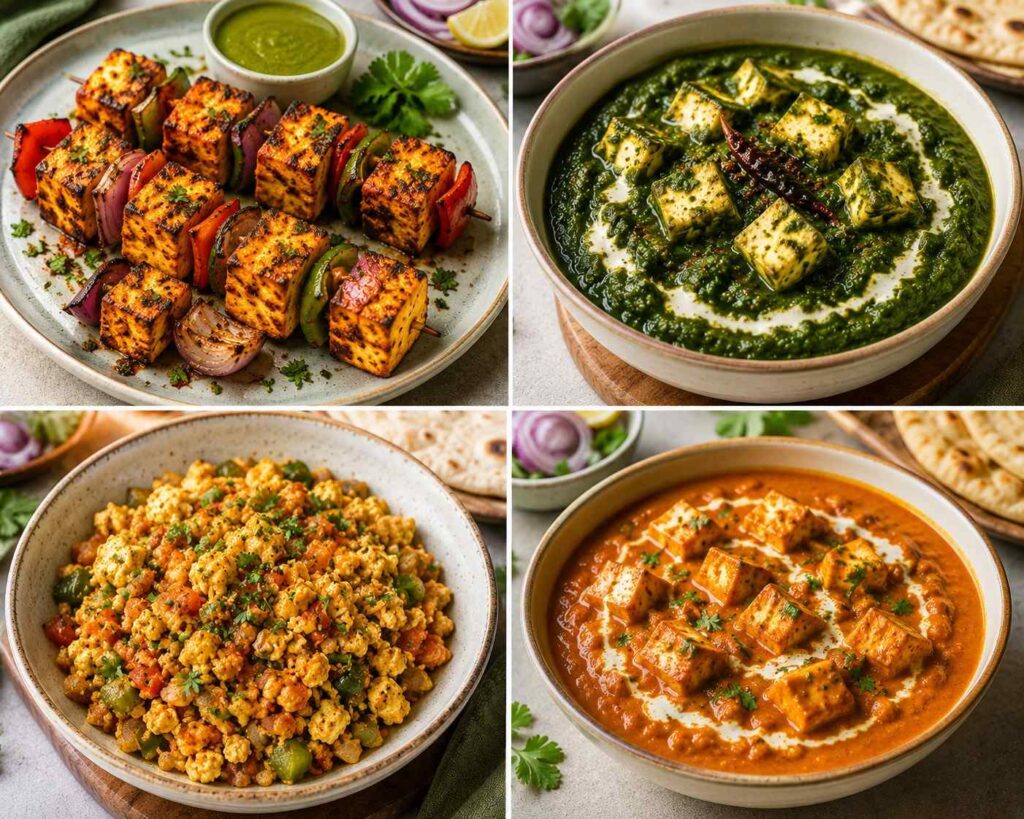
Paneer is a nutritional hero for vegetarian Indians. A 100g serving provides roughly 18–20g of complete protein — comparable to chicken in bioavailability. It’s rich in casein, a slow-digesting protein that keeps amino acid supply steady throughout the day, giving hair follicles a sustained feeding window rather than a quick spike.
Beyond protein, paneer is high in calcium and phosphorus, which strengthen hair structure and support scalp health. It’s also one of the few vegetarian sources that provides all essential amino acids in adequate ratios.
~18g protein / 100g Calcium Complete amino acids Phosphorus
Indian kitchen tip: Grilled paneer tikka or palak paneer are delicious ways to combine protein with spinach’s iron in one meal.
04 Curd / Dahi (Greek-style)
Gut + hair health
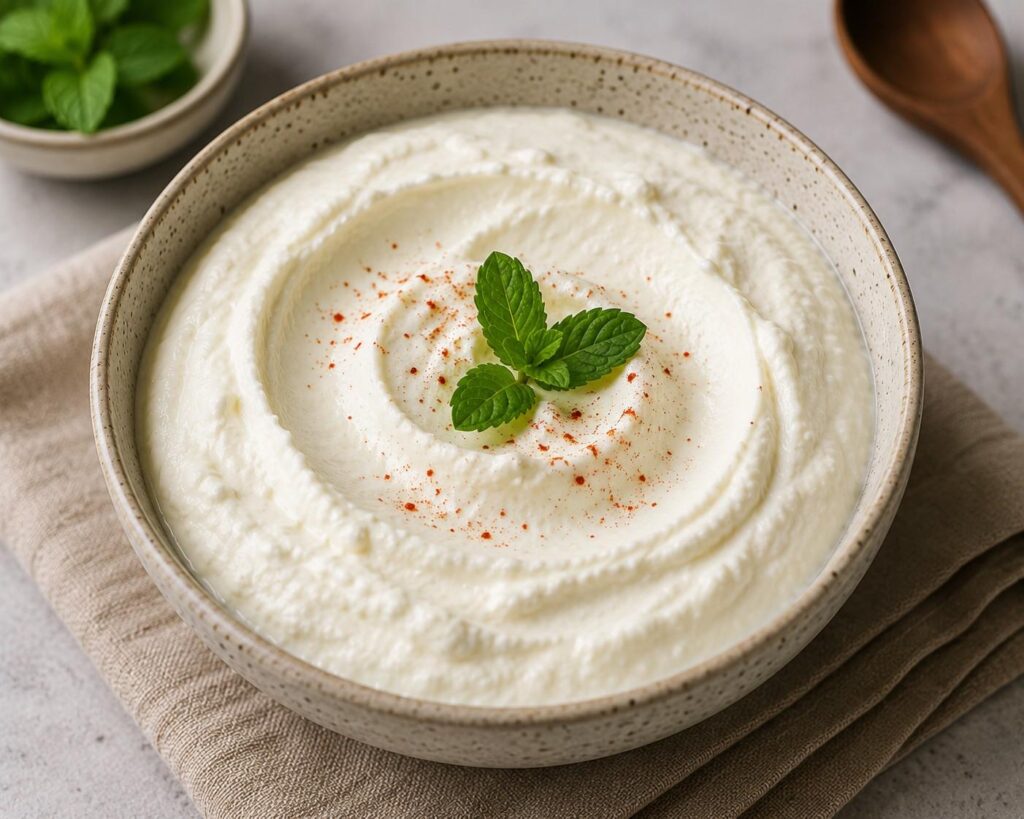
Dahi is already a daily fixture in most Indian households — and that’s excellent news for your hair. Thick curd (especially hung curd or Greek-style) can deliver 10–17g of protein per serving along with probiotics that improve nutrient absorption in the gut. Better gut health means your body actually uses the protein and vitamins you consume.
Curd is also rich in Vitamin B5 (pantothenic acid), which research suggests plays a role in hair follicle nourishment and preventing scalp dryness — a common issue during Indian summers.
~10–17g protein / bowl Probiotics Vitamin B5 Calcium
Tip: Make thick hung curd at home by straining regular dahi through a muslin cloth overnight — it nearly doubles the protein content
05 Rajma (Kidney Beans)
North Indian classic
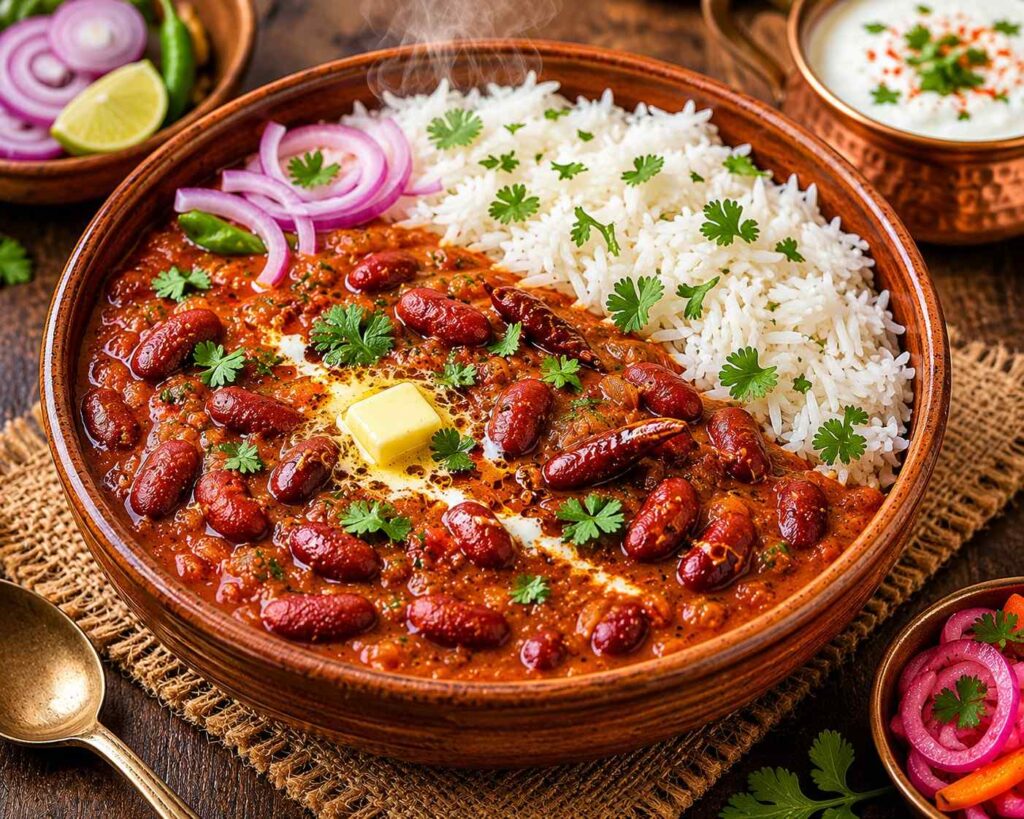
Rajma chawal is more than comfort food — it’s a complete hair growth meal when eaten together. Kidney beans are exceptionally high in plant protein (~15g per cup cooked), and crucially, they contain zinc, which is essential for the hair growth and repair cycle. Zinc deficiency is directly linked to hair shedding and a flaky scalp.
Rajma also provides iron and biotin, making it a triple-action hair food. When paired with rice (which provides the amino acids rajma lacks), you get a near-complete protein profile from an entirely plant-based meal.
~15g protein / cup Zinc Biotin Iron
Hair fact: The classic rajma-chawal combo creates a complementary protein — together they supply all 9 essential amino acids for keratin building.
06 Soya (Tofu & Soya Chunks)
Highest plant protein
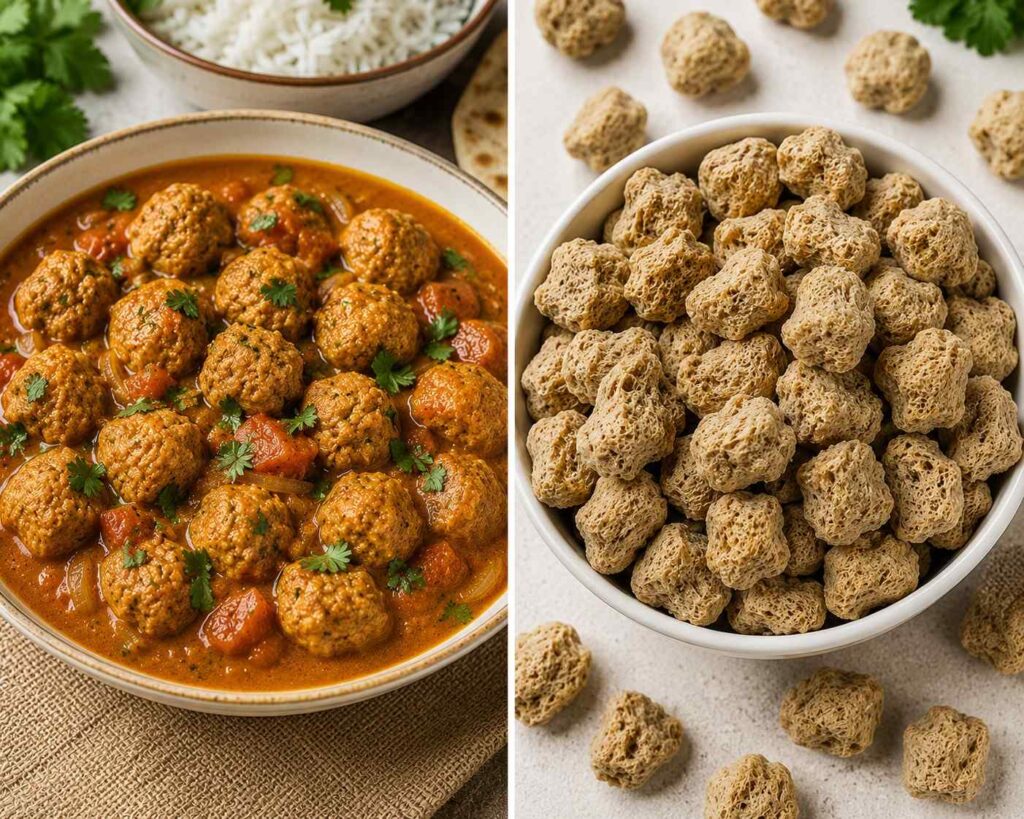
Soya is the only plant food that provides a complete protein profile comparable to animal sources — all nine essential amino acids. Soya chunks (nutrela) contain a remarkable 52g of protein per 100g dry weight, making them the most protein-dense plant food available in India at an extremely affordable price.
Soya also contains isoflavones, which some research links to improved scalp circulation and DHT (dihydrotestosterone) modulation — the hormone responsible for androgenetic hair loss in both men and women.
~52g protein / 100g dry Complete amino acids Isoflavones Iron
Indian kitchen tip: Soya chunks curry is a budget-friendly, high-protein lunch option. 50g dry soya chunks costs less than ₹10 and packs more protein than 150g of chicken.
07 Chicken (Skinless)
Non-veg powerhouse
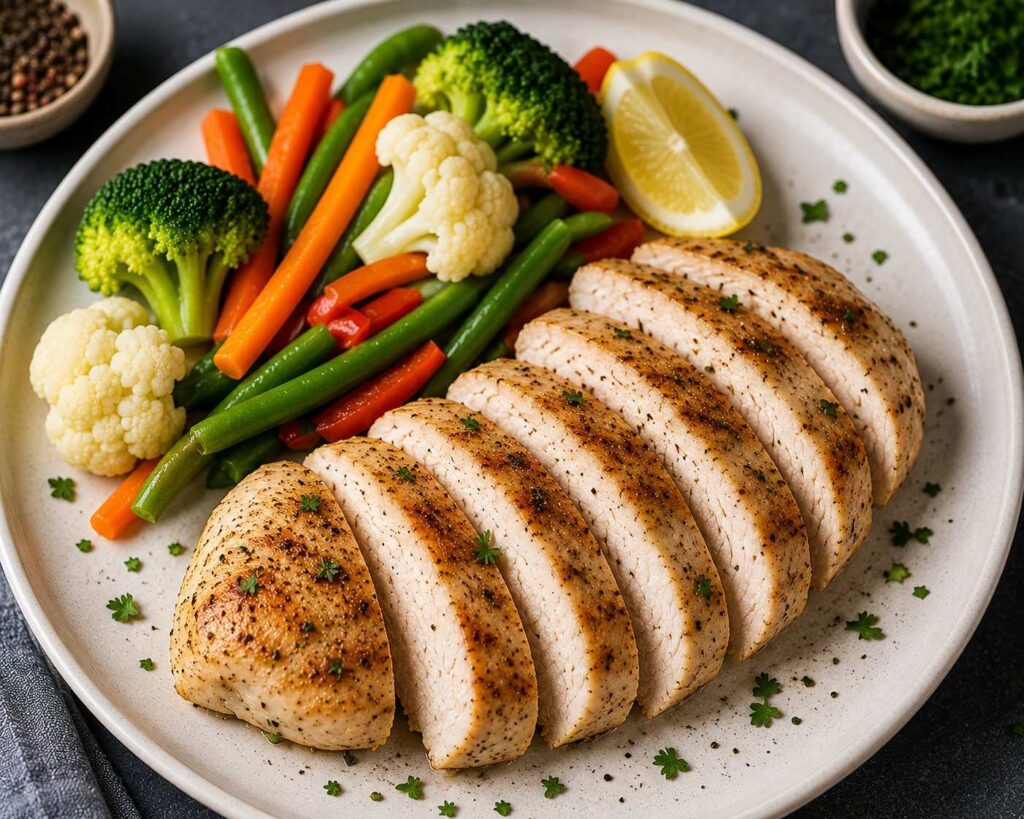
For non-vegetarians, skinless chicken breast is one of the most efficient protein sources for hair growth — delivering around 31g of protein per 100g with minimal saturated fat. Chicken is rich in the amino acids cysteine and methionine, which are the specific building blocks of keratin — the exact protein your hair is made of.
Chicken liver deserves a special mention: it’s packed with biotin, iron, zinc, and Vitamin A — essentially a multi-nutrient hair supplement in food form. If you can stomach it, including chicken liver once a week can dramatically shift your hair nutrient profile.
~31g protein / 100g Cysteine + Methionine B vitamins Selenium
Tip: Boiled or grilled is better than deep-fried for maximum nutrient retention. Chicken soup (broth) also releases collagen — great for scalp elasticity.
08 Fish — Rohu, Mackerel, Surmai
Omega-3 + protein
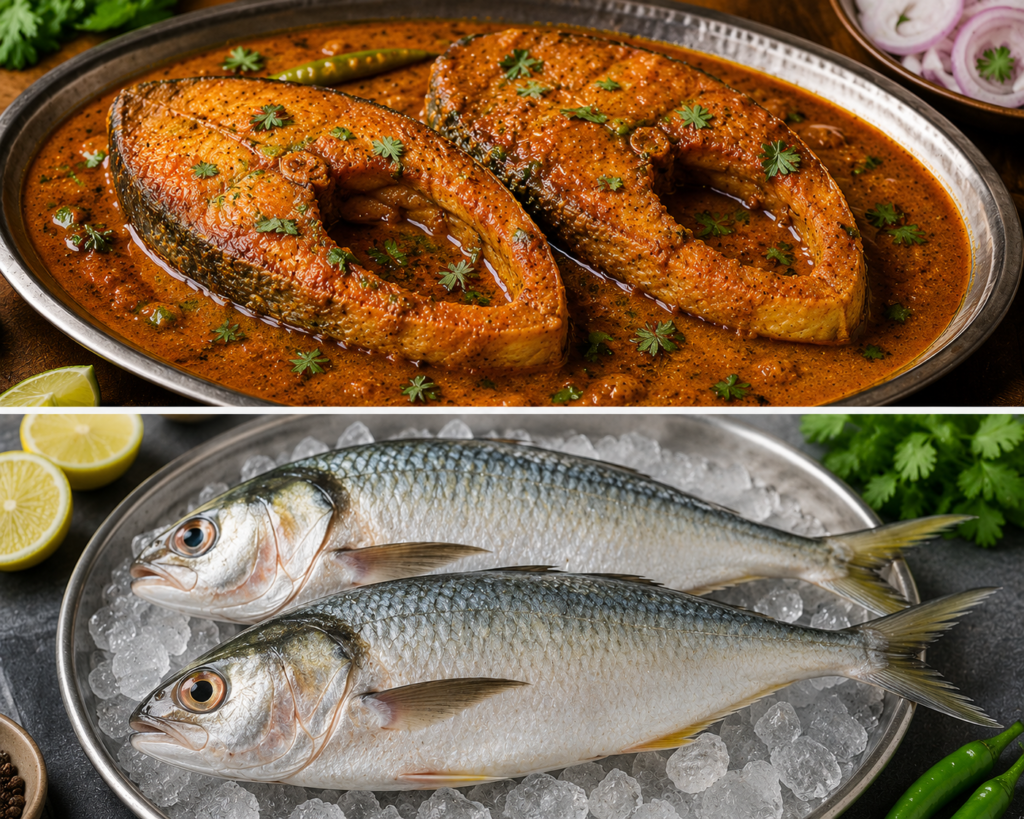
Fatty fish native to Indian markets — rohu, mackerel (bangda), pomfret, surmai — are hair superfoods. They combine high-quality complete protein (~22–25g per 100g) with omega-3 fatty acids that nourish hair follicles, reduce scalp inflammation, and improve hair density. Salmon is often cited globally, but Indian fish are just as effective and far more accessible.
Fish also provides selenium — a mineral that protects hair follicles from oxidative damage — and Vitamin D3, deficiency of which is increasingly linked to alopecia and slow hair growth.
~25g protein / 100g Omega-3 fatty acids Vitamin D3 Selenium
Tip: If you live in coastal states (Kerala, Maharashtra, West Bengal, Andhra), fresh local fish twice a week can completely transform your hair health over 3 months.
09 Almonds (Badam)
Traditional + science-backed
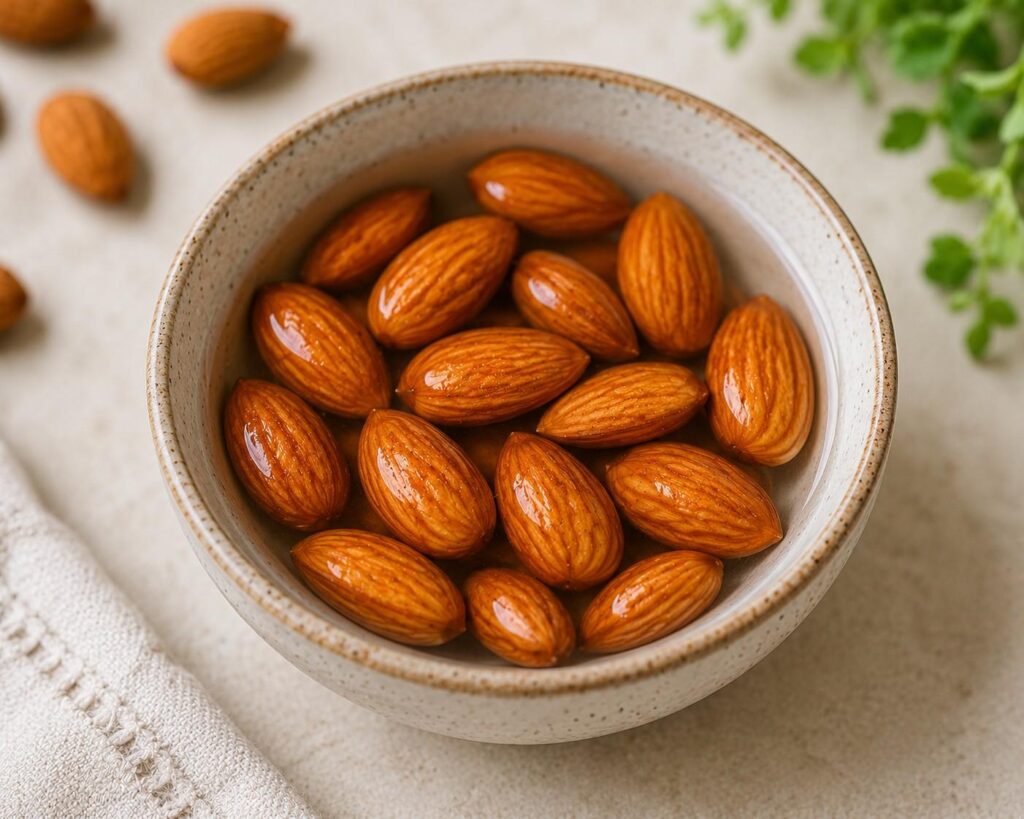
There is real science behind your dadi’s insistence on soaking and eating badam every morning. Almonds provide 21g of protein per 100g, Vitamin E (a powerful antioxidant that protects scalp cells from oxidative damage), biotin, magnesium, and healthy fats that improve overall nutrient absorption. Vitamin E deficiency has been directly linked to hair loss in clinical studies.
Almonds are also one of the few plant sources of L-arginine, an amino acid that improves microcirculation in the scalp — essentially improving blood flow to hair follicles and speeding up growth during the anagen phase.
~21g protein / 100g Vitamin E Biotin L-arginine
Tip: Soak 5–6 almonds overnight. The peeling process removes tannins, improving protein digestibility by nearly 20% compared to eating them raw.
10 Pumpkin Seeds (Kaddu ke Beej)
Underrated gem
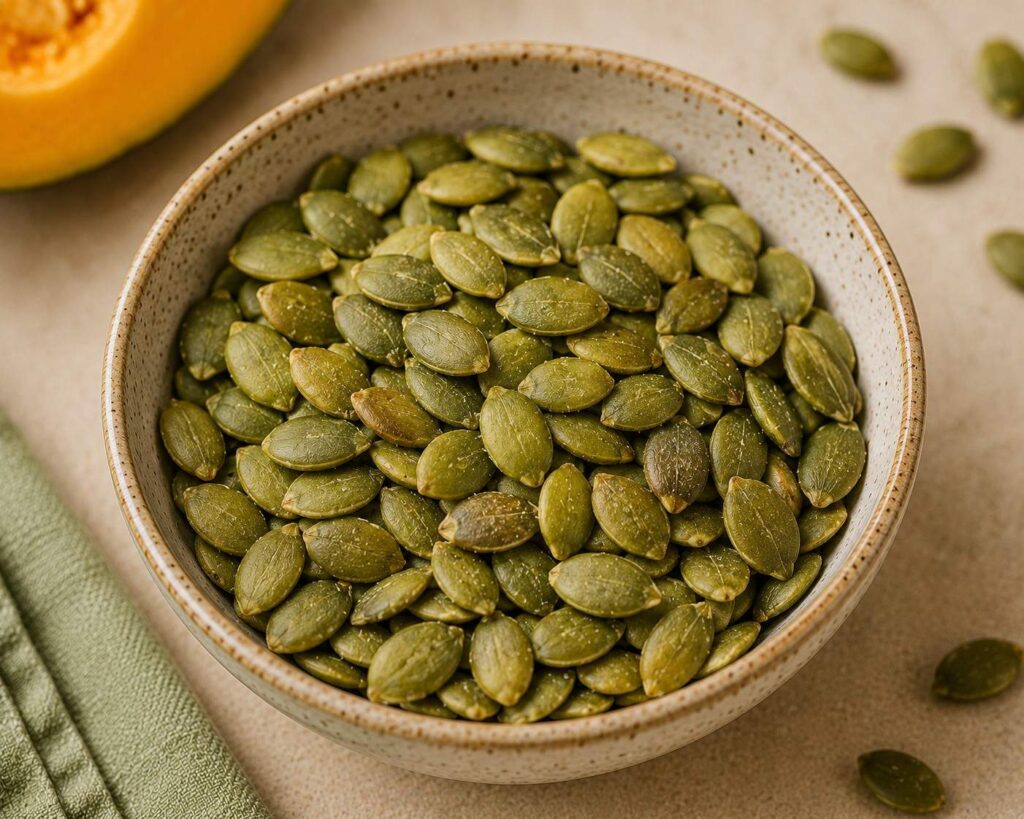
Pumpkin seeds are one of the most nutrient-dense yet underused foods in Indian hair diets. Just 30g provides 9g of protein, a full day’s requirement of zinc, magnesium, and a compound called cucurbitacin — which some research suggests can inhibit the enzyme (5-alpha reductase) that converts testosterone to DHT, a key driver of pattern baldness.
They are also rich in amino acids glycine and glutamic acid — both involved in keratin structure — making them a small but mighty daily addition to your hair diet.
~9g protein / 30g Zinc (full daily dose) Magnesium DHT-blocking potential
Easy habit: Add a tablespoon of roasted pumpkin seeds to your morning poha, upma, or oatmeal — you’ll barely notice them but your hair will.
11 Chana (Chickpeas / Chole)
Protein + manganese
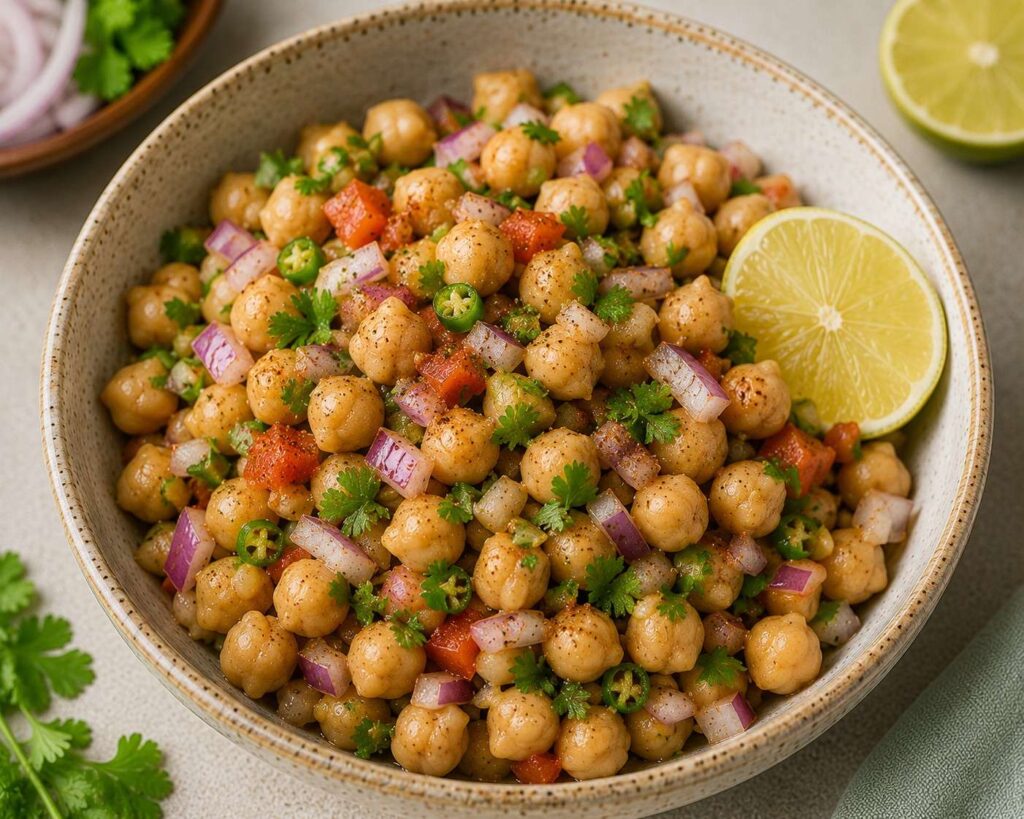
Chole is beloved across North India, and with good reason from a hair perspective too. A cup of cooked chickpeas delivers ~15g of protein along with manganese — a trace mineral that activates enzymes involved in hair tissue formation. Chickpeas are also high in Vitamin B6, which assists in protein metabolism, meaning your body converts the protein you eat into usable amino acids more efficiently.
Boiled chana chaat (a popular Indian street snack) is genuinely one of the best affordable hair-diet snacks you can eat — protein, fibre, iron, and zinc all in one bowl.
~15g protein / cup Manganese Vitamin B6 Iron
Budget winner: Boiled chana with onion, lemon, and chaat masala — the most affordable high-protein hair snack available across India at under ₹20.
12 Flaxseeds (Alsi)
Vegan omega-3 source
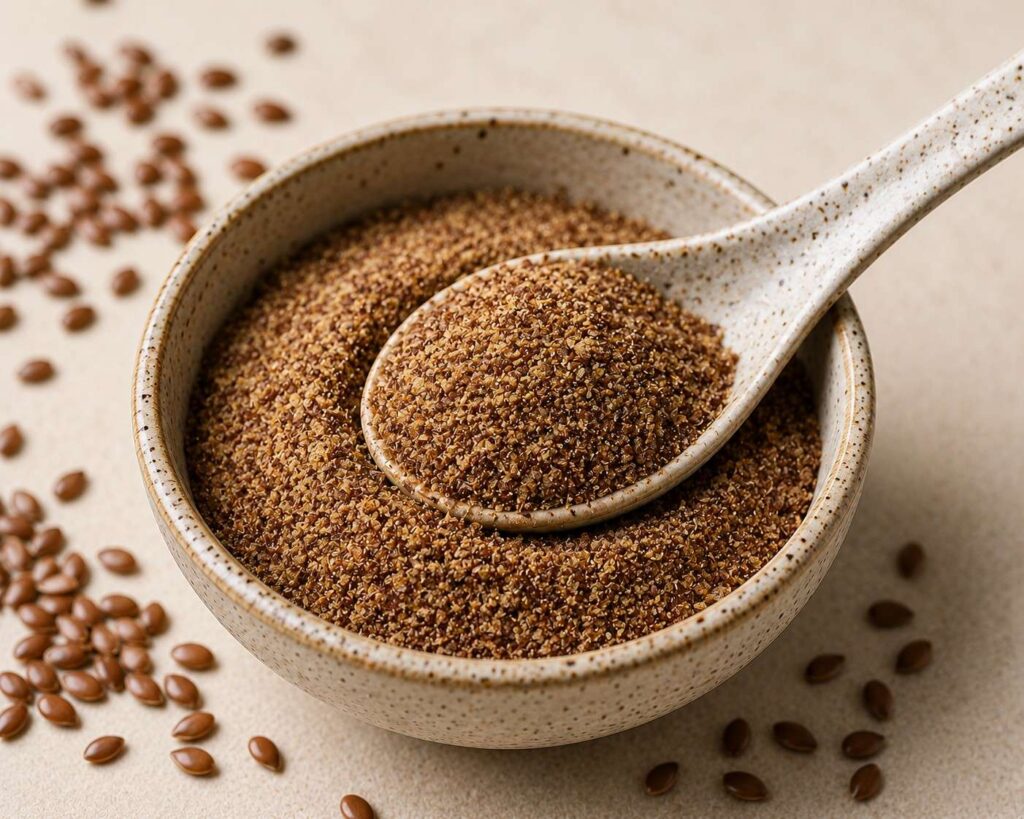
For vegetarians who don’t eat fish, alsi (flaxseeds) are the best plant-based source of ALA omega-3 fatty acids — which the body partially converts to the DHA and EPA that directly nourish hair follicles. They also provide plant protein, Vitamin E, and lignans that improve scalp circulation and reduce inflammation (a hidden cause of hair fall many Indians overlook).
Flaxseeds are one of the few plant foods that simultaneously address protein, omega-3s, and antioxidant protection — three of the most critical nutritional pillars for hair growth.
~18g protein / 100g ALA omega-3 Lignans Vitamin E
Important: Always grind flaxseeds before eating — whole seeds pass through undigested. A tablespoon of ground alsi in your roti atta or smoothie works perfectly.
13 Spinach + Methi (Dark Leafy Greens)
Iron absorption booster
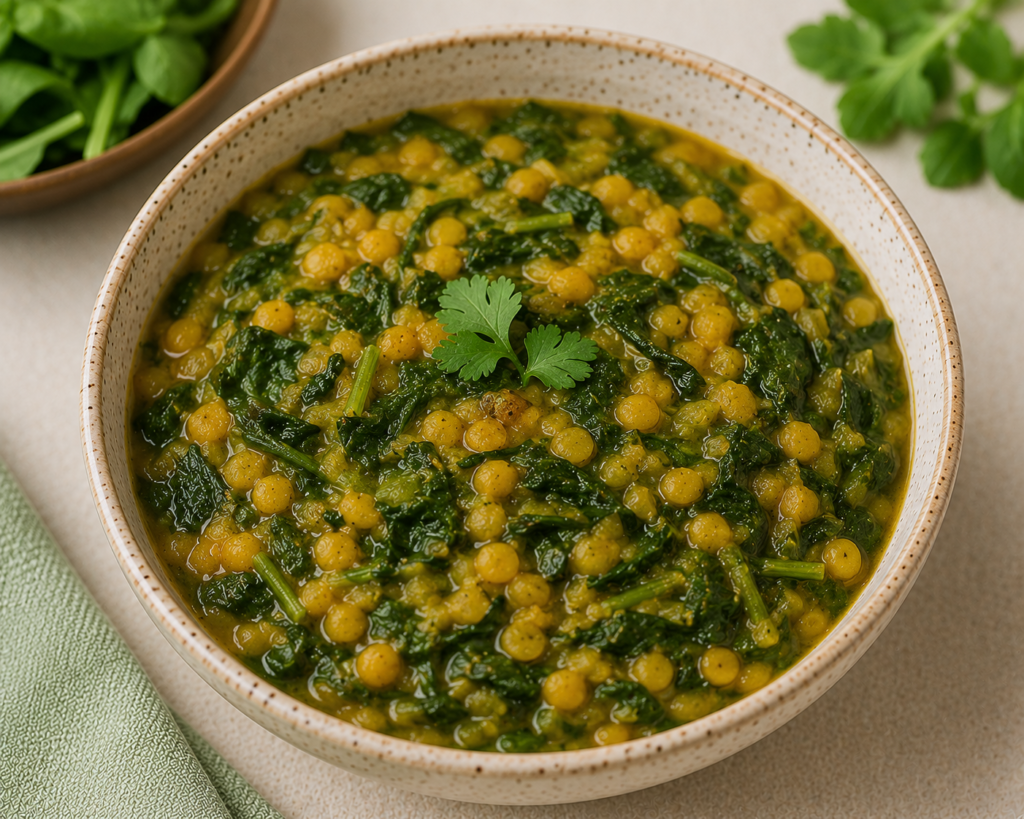
While not high in protein themselves, palak and methi earn their place on this list because they supercharge your ability to utilise the protein and iron you eat. They’re rich in Vitamin C — which dramatically increases iron absorption from plant proteins — along with folate, Vitamin A, and iron itself. Iron deficiency is the single most common cause of hair fall in Indian women, and dark greens directly address this.
Methi (fenugreek) also contains a unique compound called nicotinic acid that stimulates hair growth and diosgenin, a plant compound that has been used in Ayurveda for centuries to strengthen hair roots.
Iron + Folate Vitamin A + C Nicotinic acid (methi) Scalp circulation
Power combo: Palak dal = iron from greens + protein from dal + Vitamin C from the greens increasing iron absorption. One of the best single-bowl hair meals you can cook.
14 Amla (Indian Gooseberry)
Ayurvedic + science-backed
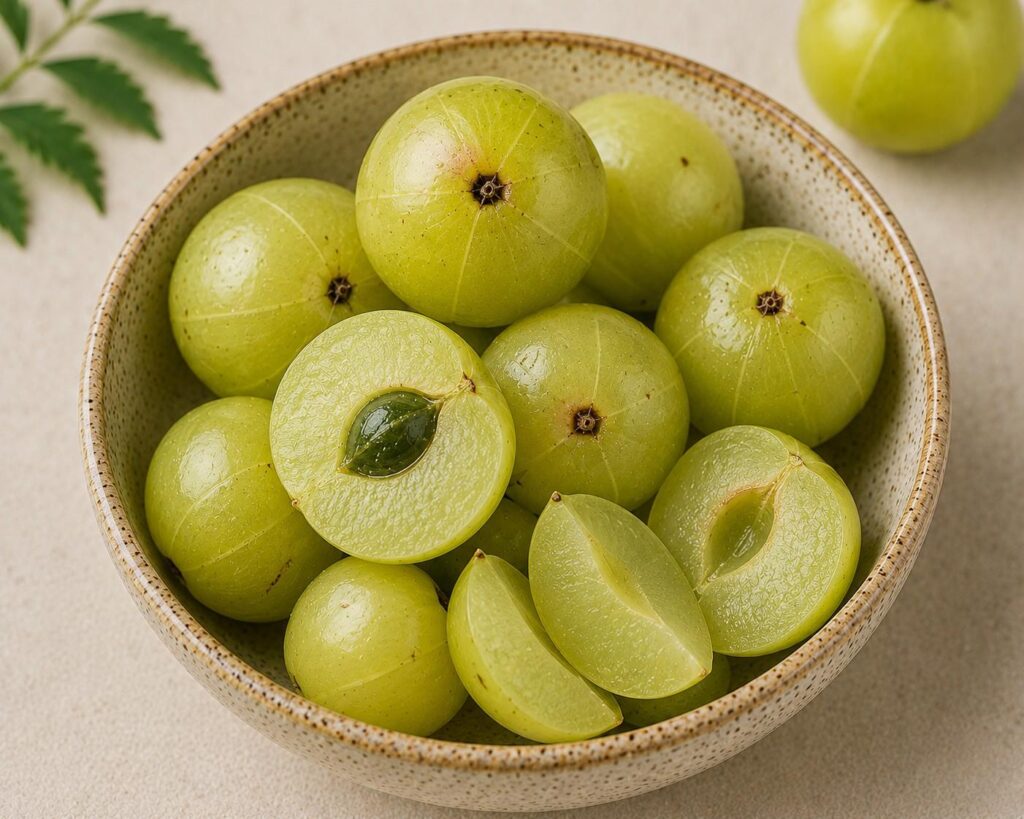
Amla is genuinely exceptional for hair — not as a protein source itself, but as a protein multiplier. One fresh amla contains more Vitamin C than 10 oranges. Vitamin C is essential for collagen synthesis — the protein framework that holds hair follicles in place within the scalp. Without adequate collagen, even a protein-rich diet won’t translate into strong hair because the structural scaffolding is missing.
Amla also contains tannins and polyphenols that protect hair proteins from oxidative damage — essentially acting as a natural shield against hair aging caused by UV exposure, heat styling, and pollution.
Highest Vitamin C of any fruit Collagen synthesis Polyphenols Free radical protection
Daily habit: One fresh amla or 1 tsp amla powder in water every morning is one of the most evidence-backed hair growth habits you can build. Available across India for ₹2–5 each.
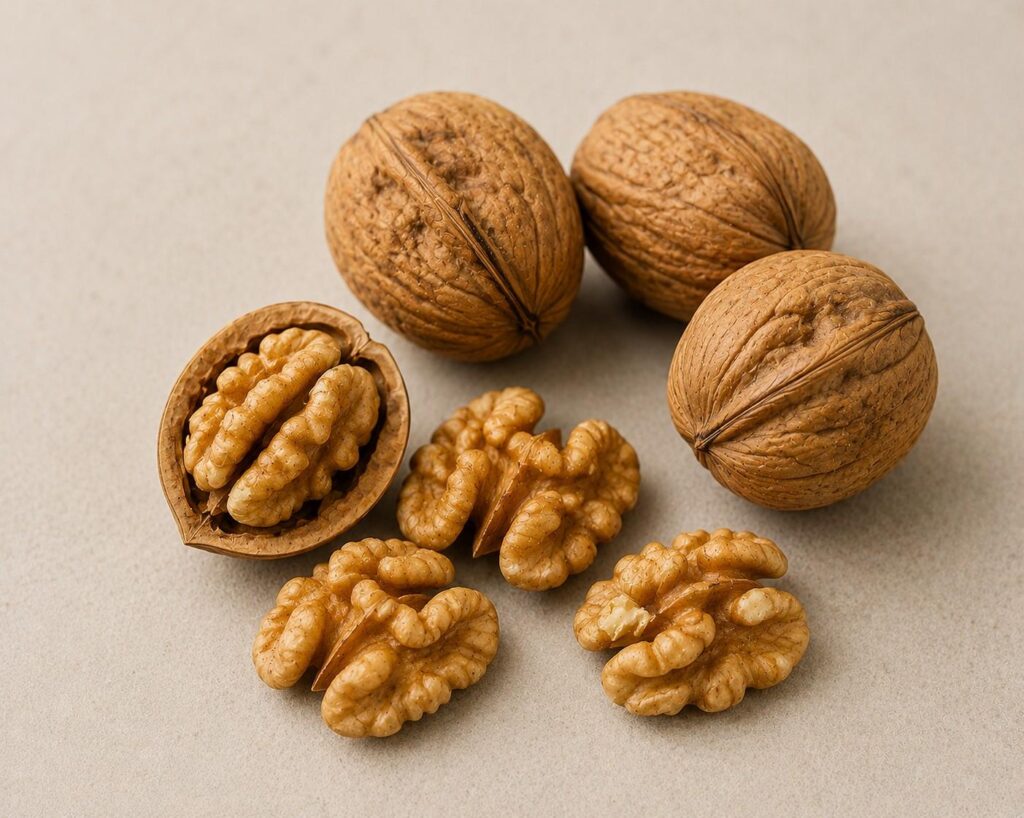
15 Walnuts (Akhrot)
Brain + hair food
Walnuts are the only nut that contains a meaningful amount of ALA omega-3 fatty acids alongside protein, Vitamin E, and biotin. They also contain a high level of copper — a trace mineral that helps hair maintain its natural color by supporting melanin production, and assists in the growth of strong, thick hair shafts.
Research shows that a handful of walnuts daily can reduce scalp inflammation, improve hair elasticity, and even slow premature greying when consumed consistently over several months.
~15g protein / 100g ALA omega-3 Copper (anti-grey) Biotin + Vitamin E
Tip: 4–5 walnuts daily is sufficient. Pair with soaked almonds in the morning for a comprehensive hair-nourishing nut ritual that takes 30 seconds.
Your 1-Day Indian Hair Diet Meal Plan
Here’s how to combine these 15 foods into a practical, realistic Indian day of eating — no supplements required.
| Meal | What to Eat | Protein | Key Hair Nutrient |
|---|---|---|---|
| Early morning | 1 amla + 5 soaked almonds + 4 walnuts | ~5g | Vitamin C, Vitamin E, biotin |
| Breakfast | 2 boiled eggs + palak sabzi + 1 glass dahi | ~28g | Biotin, iron, complete protein |
| Lunch | Rajma / chole + rice + salad with flaxseed | ~22g | Zinc, iron, complementary protein |
| Evening snack | Boiled chana chaat + 1 tbsp pumpkin seeds | ~14g | Manganese, zinc, B6 |
| Dinner | Palak dal + paneer / fish curry + roti with alsi | ~26g | Complete protein, omega-3, iron |
| Total | Full balanced Indian day | ~95g | All major hair nutrients |
Common Mistakes That Cancel Your Hair Diet
Warning: Eating protein-rich foods won’t help if you’re also making these mistakes — they directly block nutrient absorption and follicle function.
1. Not pairing iron foods with Vitamin C
Plant-based iron (non-heme iron in dal, rajma, spinach) is absorbed at only 2–8% efficiency on its own. Pair it with Vitamin C (amla, lemon, tomatoes) to boost absorption by up to 300%.
2. Skipping meals or crash dieting
Sudden calorie or protein restriction triggers telogen effluvium — mass hair shedding — within 2–3 months. The body pulls protein away from hair follicles first when resources are scarce.
3. Eating too much protein in one sitting
Your body can only absorb approximately 20–30g of protein per meal effectively. Spread your protein across 4–5 smaller meals or snacks throughout the day for optimal utilisation.
4. Ignoring hydration
Protein metabolism generates nitrogen waste. Without adequate water intake (at least 8–10 glasses daily), protein isn’t efficiently transported to follicles. Hair growth requires good scalp circulation, and circulation requires hydration.
For more information:https://hairglowguide.com/15-proven-natural-hair-growth-tips-at-home/
https://hairglowguide.com/can-liver-problems-cause-hair-loss/
https://hairglowguide.com/grow-hair-back-with-food-indian-diet-guide/
Frequently Asked Questions
Can vegetarians get enough protein for hair growth in India?
Yes — absolutely. India has some of the world’s richest plant-protein traditions. Dal, paneer, curd, soya, rajma, chana, nuts, and seeds together provide all essential amino acids. The key is variety and combining complementary plant proteins (like dal + rice or rajma + roti) to ensure you’re getting all 9 essential amino acids.
How long before I see results from a high-protein diet?
Hair grows at about 1–1.5 cm per month. You can expect to see measurable improvements in hair thickness, strength, and reduced shedding within 3–4 months of consistent dietary changes. New growth takes 6+ months to become visible at the scalp.
Do I need protein supplements or powders for hair growth?
Most Indians who eat a balanced diet do not need supplements. Whole food sources are always superior because they come with cofactor nutrients (biotin, zinc, iron) that enhance protein utilisation for hair. Supplements are appropriate only when whole food intake is genuinely insufficient — consult a trichologist or nutritionist before starting any hair supplement.
Which is the single best food for hair growth in India?
Eggs, if you’re non-vegetarian — they contain the most comprehensive hair-specific nutrient profile in one food (protein, biotin, iron, zinc, selenium). For vegetarians, the combination of masoor dal + amla daily comes closest to covering all hair nutrient bases affordably and completely.
Key Takeaways
- Hair is ~95% keratin protein — your diet directly determines how well your follicles build it.
- Aim for 1.0–1.3g of protein per kg of body weight daily, spread across meals in 20–30g portions.
- The best Indian protein foods for hair: eggs, dal, paneer, curd, rajma, soya, chicken, fish, almonds, pumpkin seeds, chana, flaxseeds, palak, amla, and walnuts.
- Always pair plant iron sources (dal, palak) with Vitamin C (amla, lemon) to maximise absorption.
- Consistency over 3–6 months is required — hair growth is a slow process that reflects months of nutrition, not days.
- You don’t need expensive supplements — India’s traditional kitchen already contains everything your hair needs.

 Admin
Admin