 Admin
Admin Let’s be honest for a second.
How many times have you stood in front of the mirror, looked at your hair, and thought — “Yaar, kya ho raha hai mere baalon ko?”
Maybe your hair is falling more than usual. Maybe your scalp itches like crazy every evening. Maybe your ponytail has gotten noticeably thinner over the last six months and you’re quietly panicking about it but telling everyone you’re fine.
You Google it. You get a hundred different answers. One article says eat more protein. Another says you have alopecia. Your neighbour says apply onion juice. Your mom says it’s because you wash your hair too often. Your aunt says it’s because you don’t wash it enough.
And you’re left more confused than when you started.
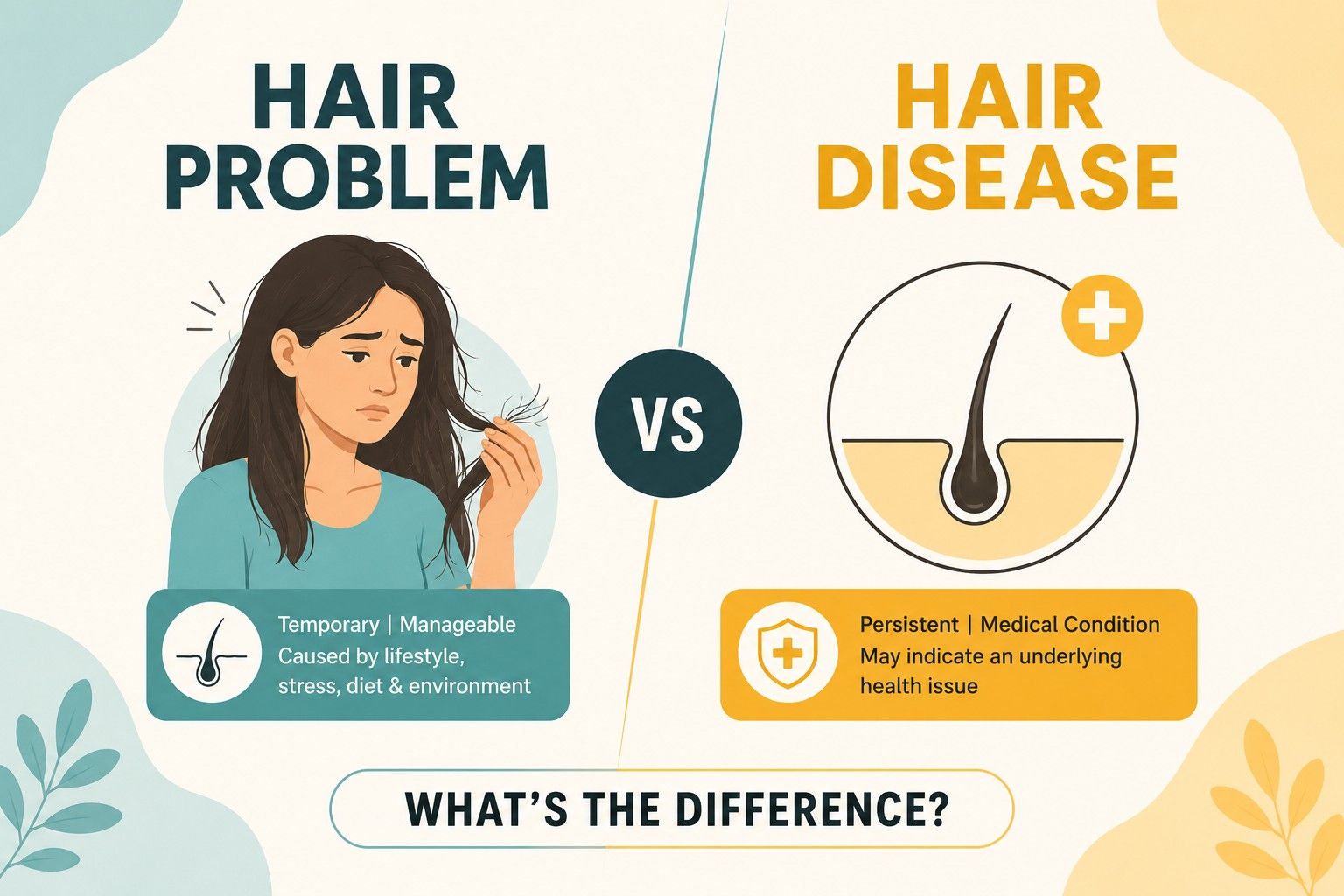
Here’s the thing nobody tells you clearly: not every hair issue is the same kind of issue. Some things going wrong with your hair are hair problems — normal, common, fixable with the right routine and a little patience. Others are hair diseases — real medical conditions that need a doctor, a diagnosis, and proper treatment.
Mixing these two up is one of the most common and most damaging mistakes Indians make when it comes to hair health. You either panic over something simple, or — far more dangerously — you ignore something serious because you think it’s “just normal hair fall.”
First, Let’s Define the Two — Simply and Clearly
What Is a Hair Problem?
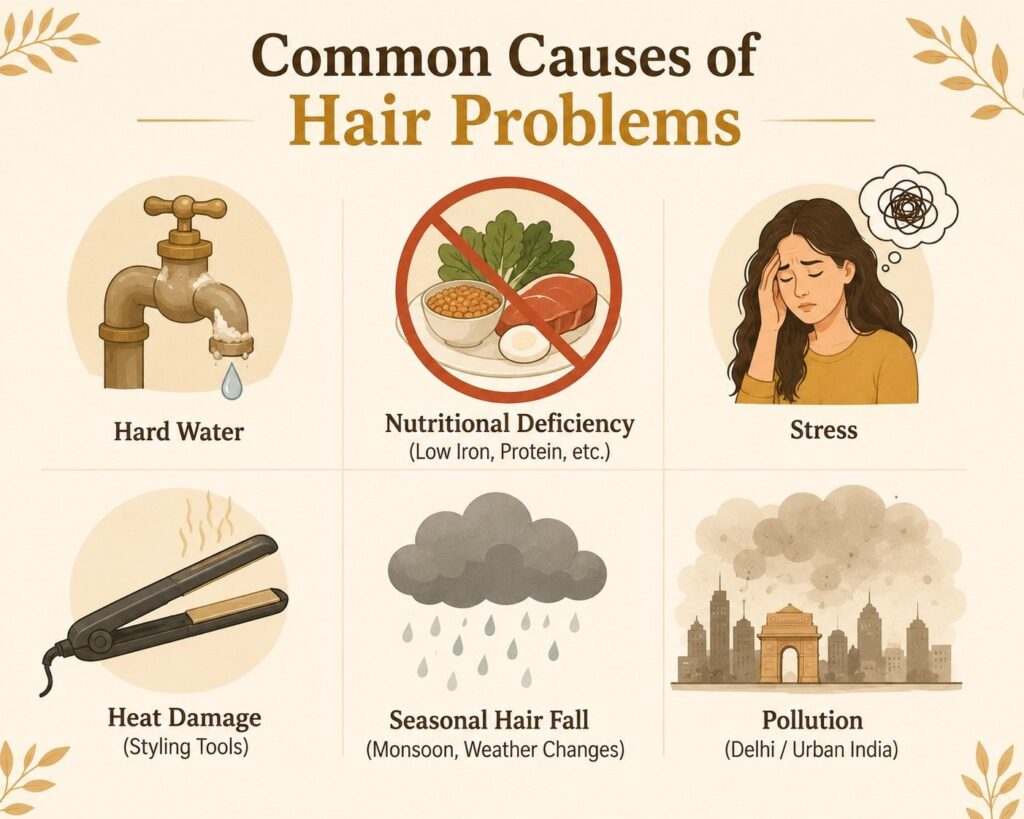
A hair problem is anything that affects your hair’s health, appearance, strength, or growth — and is being caused primarily by something outside your body or within your lifestyle. Think of it as your hair reacting to its environment.
Hard water. Poor diet. Stress. Over-styling. Wrong products. Pollution. These are all external triggers. When they affect your hair, the result is a hair problem.
The most important thing to know about hair problems: they are reversible. Fix the cause, give your hair some time, and it comes back. Your hair follicles are still alive and working — they’re just not happy right now.
What Is a Hair Disease?
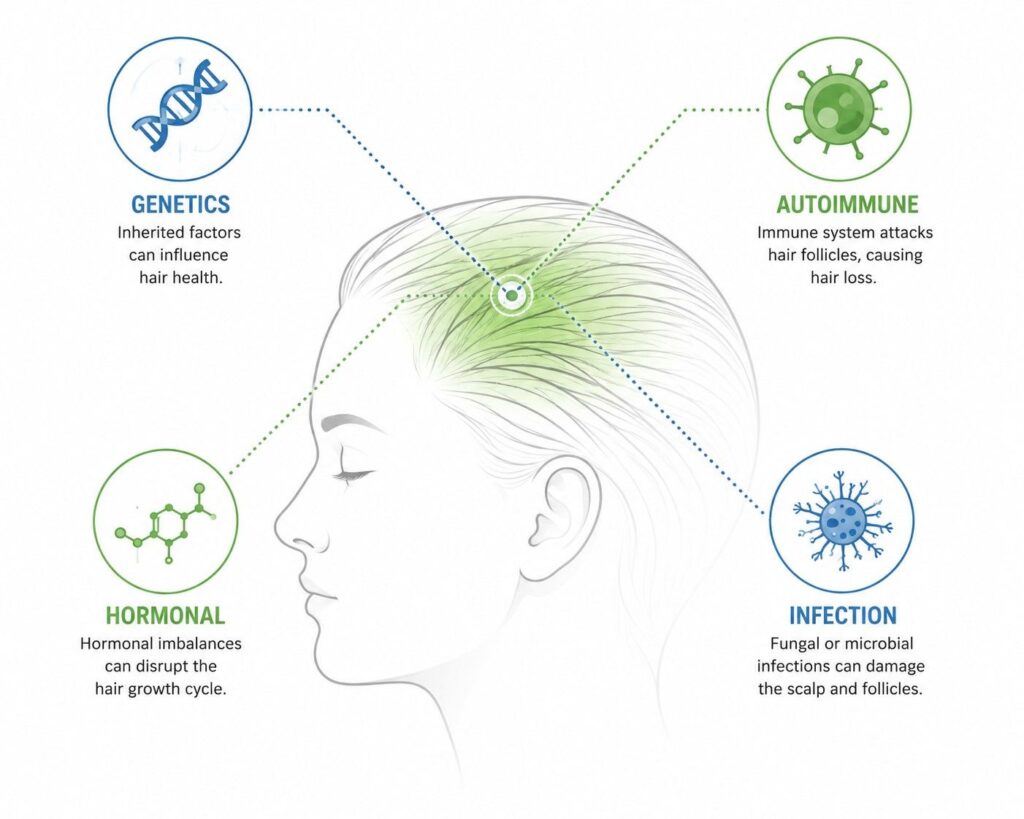
A hair disease (also called a hair disorder or trichological condition) is a medical condition that affects your hair at a biological level — inside the follicle, inside the scalp tissue, or inside your hormonal and immune system. Something in your body’s internal functioning is disrupted, and your hair is showing the consequences.
Hair diseases don’t go away with better shampoo. They don’t respond to coconut oil massages alone. They need a dermatologist or trichologist — someone who can properly diagnose what’s happening and recommend clinical treatment.
The most important thing to know about hair diseases: they can cause permanent damage if left untreated. Some are reversible if caught early. Others are not. Time really matters here.
Part 1 — Common Hair Problems That Indians Face
These are the everyday hair struggles that most of us have experienced at some point. They’re real, they’re frustrating, but they’re manageable.
1. Hard Water Hair Damage
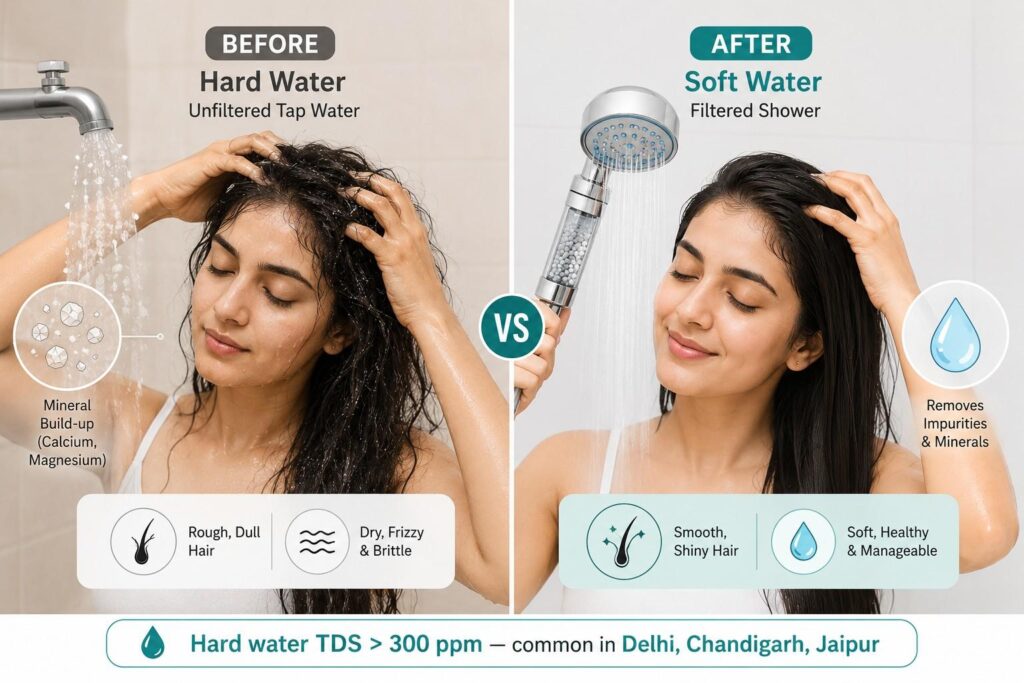
If you live in Delhi, Gurgaon, Noida, Chandigarh, Jaipur, or most other North Indian cities — you almost certainly have a hard water problem and you may not even know it.
Hard water is water with a high concentration of dissolved minerals, primarily calcium and magnesium. When you wash your hair with hard water, these minerals deposit on your hair shaft and scalp. Over time, they create a coating that makes hair feel rough, dry, and brittle. Your scalp produces excess sebum trying to compensate. Your hair starts to look dull and lifeless no matter how expensive your shampoo is.
Studies have shown that hard water significantly increases hair breakage and reduces hair strength compared to soft water. In India, where the majority of municipal water supplies have high TDS (Total Dissolved Solids), this is an extremely widespread and chronically underdiagnosed hair problem.
Signs you have it: Hair feels rough even after conditioning, scalp feels dry and tight after washing, hair looks dull and lacks shine, shampoo doesn’t lather well.
What to do: Install a shower filter, use a chelating or clarifying shampoo once a week, rinse with diluted apple cider vinegar, and deep condition regularly.
2. Nutritional Deficiency Hair Fall
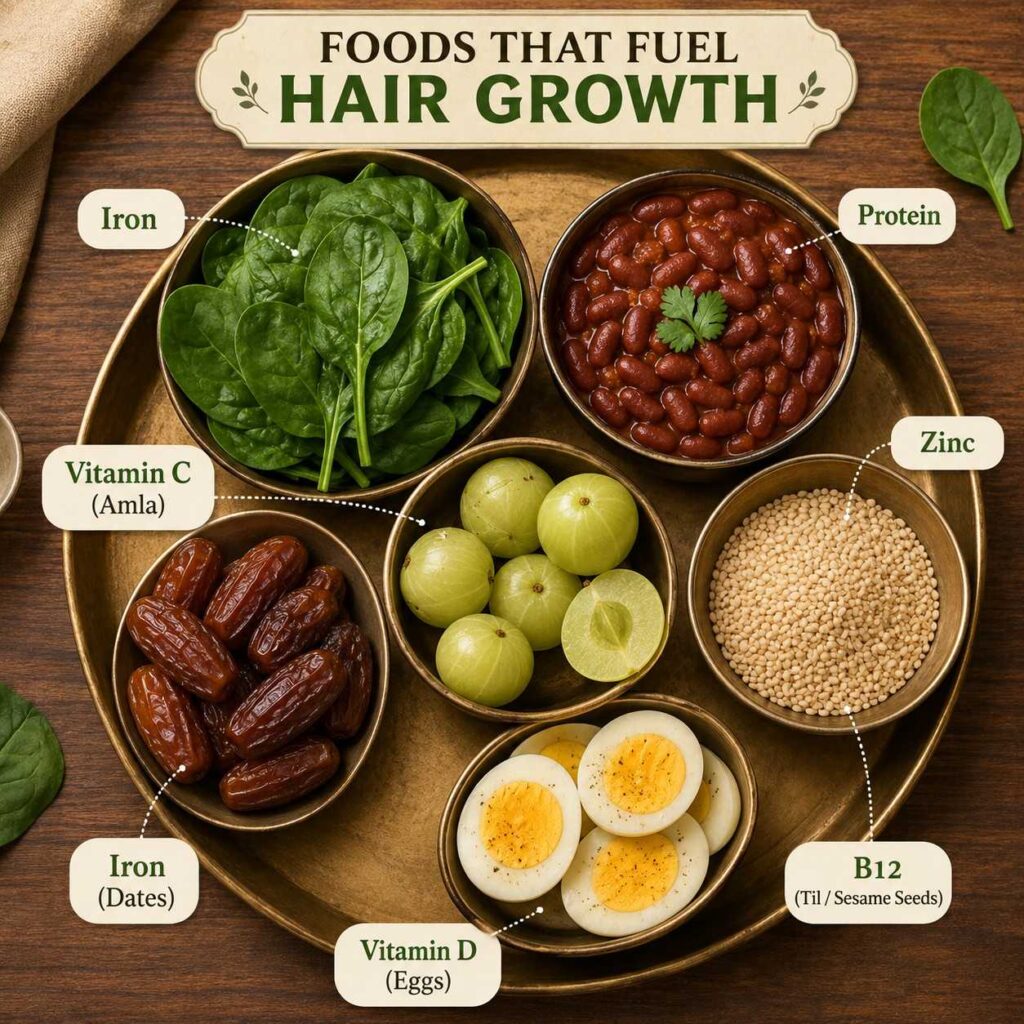
This one is especially common among Indian women — particularly vegetarian women — and it is massively underdiagnosed because the connection between what you eat and your hair isn’t always obvious.
Your hair follicles are some of the most nutritionally demanding cells in your body. They need a constant supply of iron, protein, zinc, biotin, Vitamin D, and B12 to produce strong, healthy hair. When any of these are consistently low, your hair growth cycle gets disrupted — and hair fall follows.
In India, iron deficiency anaemia affects a staggering percentage of women. B12 deficiency is extremely common in vegetarian and vegan diets. Vitamin D deficiency is paradoxically widespread despite abundant sunshine, mainly because most Indians don’t spend adequate time in direct sunlight and skin tone affects synthesis efficiency.
Signs you have it: Diffuse hair fall (hair falling from all over the scalp, not in patches), hair feels weak and breaks easily, you feel tired frequently, skin looks pale or dull.
What to do: Get a blood test done — check ferritin (stored iron), B12, Vitamin D3, and thyroid levels. Eat more iron-rich foods like spinach, lentils, rajma, and dates. Pair iron foods with Vitamin C (like amla or lemon) for better absorption. Consider supplementation under medical guidance.
3. Seasonal Hair Fall
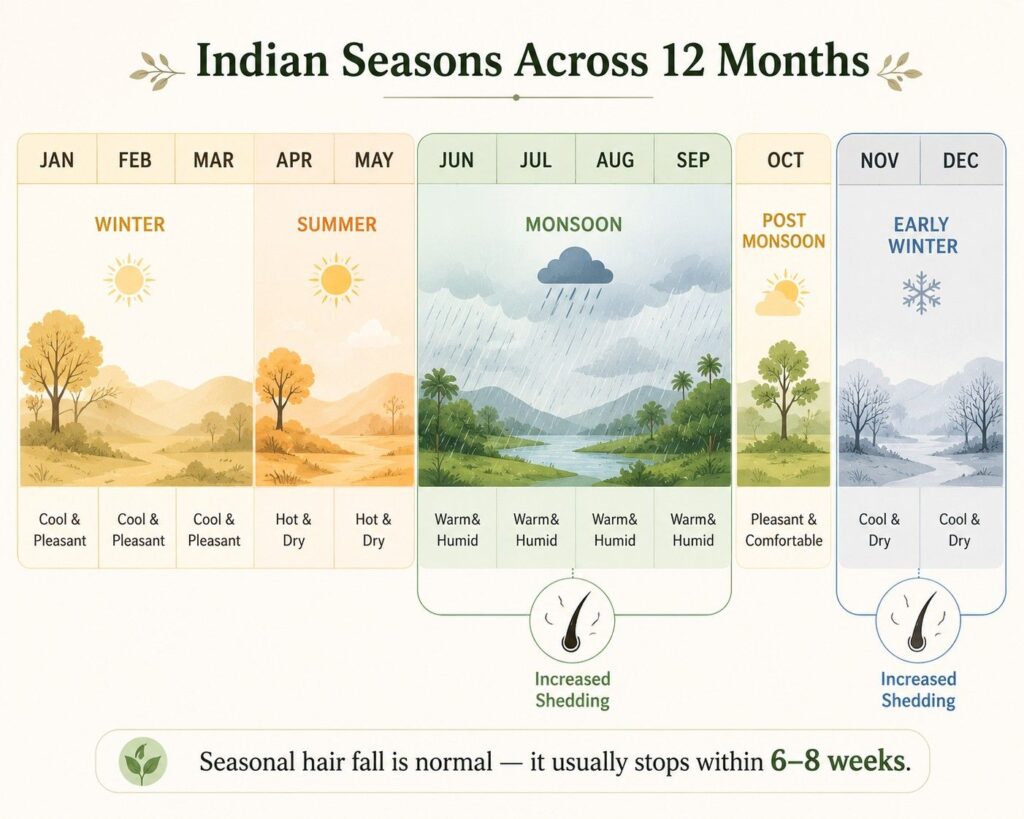
Every monsoon, without fail, hair fall spikes across India. And every monsoon, millions of Indians panic unnecessarily.
Seasonal hair shedding is a real, well-documented phenomenon. The scalp responds to changes in humidity, temperature, and UV intensity by shifting more follicles into the resting (telogen) phase simultaneously. When those follicles eventually shed, it looks alarming — but it’s a natural, cyclical process.
Monsoon season in India combines high humidity with scalp sweat and increased fungal activity, which can worsen the experience. Similarly, as winter sets in and the air becomes drier, scalp moisture levels drop and breakage increases.
Signs you have it: Increased shedding that started with the season change, no bald patches, new baby hairs visible at the hairline, shedding reduces after 6–8 weeks.
What to do: Don’t panic. Keep the scalp clean, maintain your oil and conditioning routine, and give it time. If it continues beyond 3 months, revisit.
4. Heat and Chemical Damage
Straightening, rebonding, keratin treatments, bleaching, colouring — Indian hair is being put through serious chemical stress, especially among urban women in their 20s and 30s. Combined with regular use of flat irons and blow dryers, this creates cumulative damage to the hair shaft.
This is purely a hair problem — the follicle is still alive and healthy underground. But the visible hair above the scalp is structurally compromised: the cuticle is lifted, the cortex is weakened, and the hair breaks, splits, and looks frizzy and dull.
Signs you have it: Hair breaks mid-shaft (not at the root), split ends are excessive, hair feels gummy when wet, elasticity is poor.
What to do: Deep protein treatments, trimming damaged ends, heat protectant, reducing chemical processing frequency. Hair masks with eggs, curd, and amla work beautifully here.
5. Dandruff (Mild to Moderate)
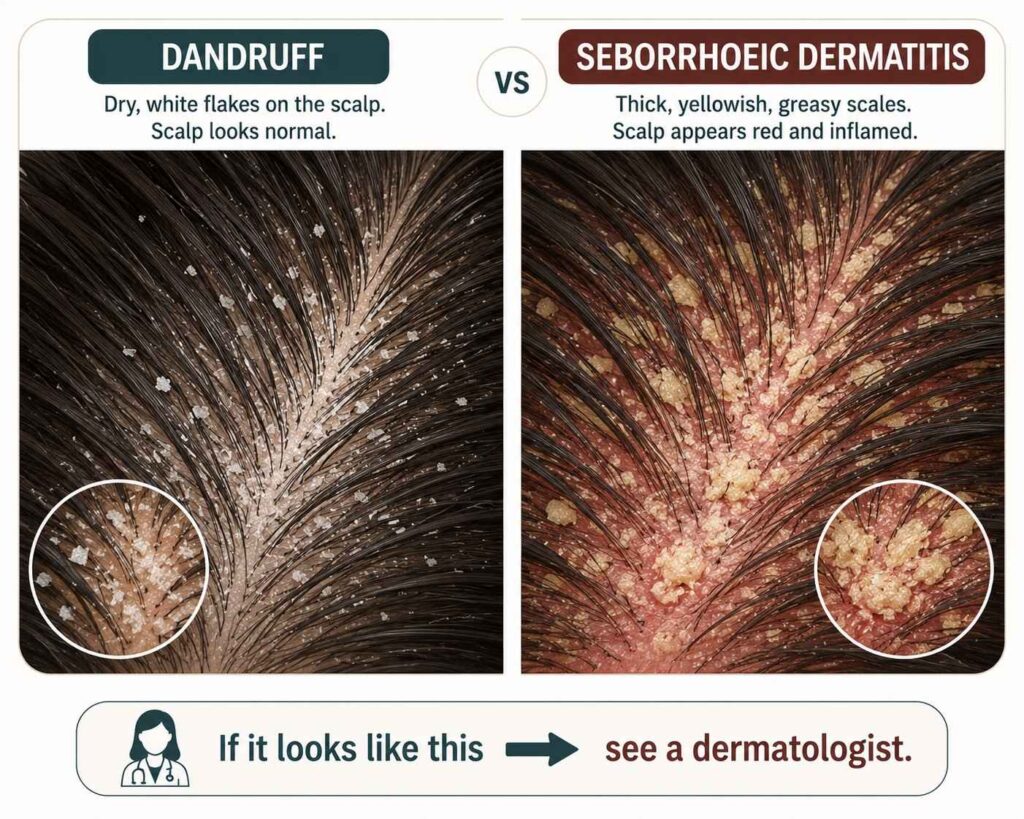
Almost every Indian has dealt with dandruff at some point. Mild dandruff — those dry, white flakes — is a hair problem. It is caused by a combination of dry scalp, irregular washing, product buildup, and sometimes a mild overgrowth of a naturally occurring scalp yeast called Malassezia.
At mild to moderate levels, dandruff is a manageable hair problem, not a disease. It responds well to anti-dandruff shampoos, regular scalp cleansing, and ingredients like neem, tea tree oil, and lemon.
Important distinction: When dandruff becomes severe, causes intense inflammation, produces thick greasy yellowish flakes, and doesn’t respond to regular dandruff shampoos — it has likely crossed into seborrhoeic dermatitis territory, which IS a hair disease and needs medical attention.
6. Scalp Buildup and Blocked Follicles
Excess oil, dry shampoo residue, heavy silicone-based hair products, pollution particles — all of these can build up on the scalp over time and clog follicle openings. This restricts healthy hair growth and creates an environment for scalp bacteria and yeast to thrive.
This is a very common and very fixable problem in Indian cities where pollution levels are high and many women use heavy hair oiling traditions without adequate scalp cleansing.
What to do: Regular scalp exfoliation (using a scalp scrub or scalp massager), clarifying shampoo use once a month, and ensuring you thoroughly cleanse the scalp — not just the hair length — every wash.
7. Stress-Induced Hair Fall (Mild)
Short-term stress — exam season, a difficult work month, a rough patch in a relationship — can temporarily push more hair follicles into the shedding phase. This is a hair problem, and it typically resolves once stress levels normalise.
This is different from chronic stress-related hair loss, which over extended periods can develop into Telogen Effluvium — a more serious condition that straddles the line between problem and disease.
Part 2 — Common Hair Diseases That Indians Face
These are conditions with a clinical, biological basis. They require proper diagnosis and medical treatment. Do not attempt to self-treat these with home remedies alone.
1. Androgenetic Alopecia (Pattern Hair Loss)
This is the most common hair disease worldwide — and in India, it is significantly underdiagnosed in women because we largely associate pattern baldness with men.
Androgenetic alopecia is a genetically inherited condition where hair follicles are sensitive to DHT (dihydrotestosterone), a derivative of testosterone. Over time, DHT causes follicles to miniaturise — producing thinner, shorter, and eventually no hair.
In men, it presents as a receding hairline and crown thinning. In women, it typically shows as a widening centre parting with overall volume loss — the hairline usually stays intact. Many Indian women dismiss this as “normal ageing hair loss” for years before seeking help.
Why early action matters: The earlier you treat androgenetic alopecia, the more hair you can retain. Treatments like minoxidil and low-level laser therapy are effective at slowing and even reversing early-stage loss. Waiting until hair is severely thin makes recovery much harder.
2. Alopecia Areata
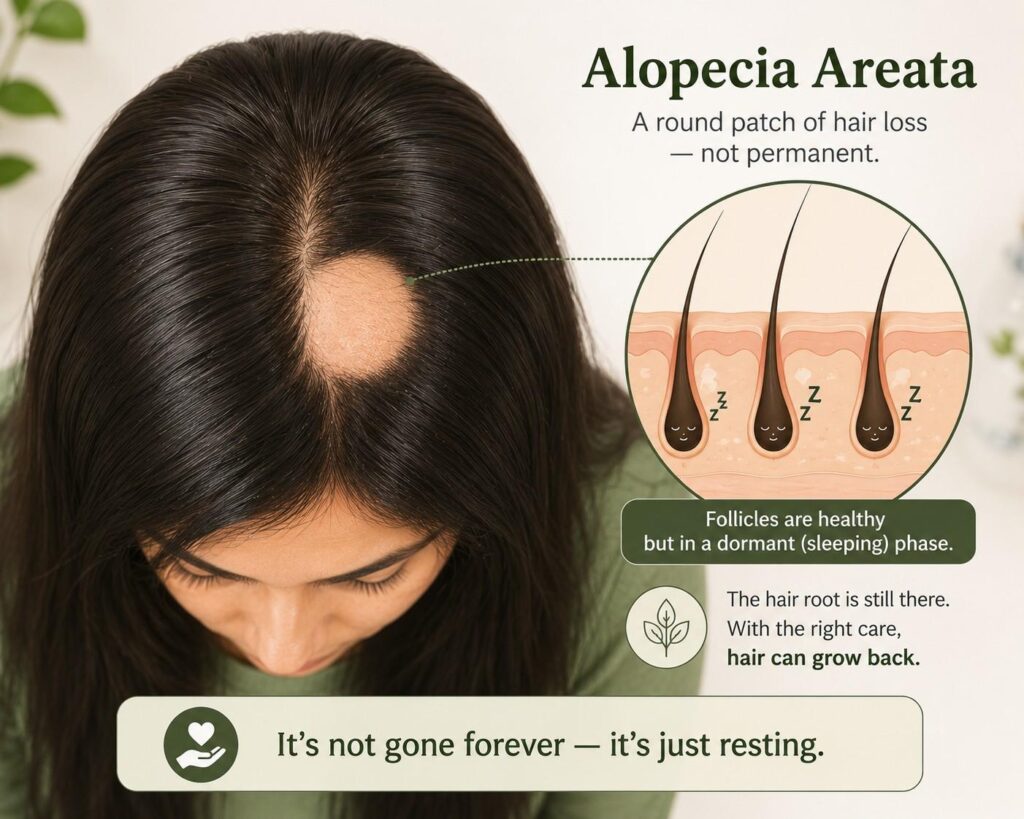
Alopecia areata is an autoimmune disease. Your own immune system, for reasons not fully understood, begins attacking your hair follicles as if they were foreign invaders. The result: sudden, patchy hair loss in perfectly round or oval shapes.
One day your scalp looks normal. A few weeks later, there’s a smooth, coin-sized bald patch. Then another. And potentially another.
The affected patches are typically completely smooth — no scarring, no redness in most cases — because the follicles are not destroyed, just suppressed. This means the condition CAN reverse, sometimes spontaneously, sometimes with treatment.
Treatment options include corticosteroid injections directly into the patch, topical immunotherapy, and newer JAK inhibitor medications that have shown remarkable results in clinical trials.
This is absolutely not a hair problem. This is a disease. Do not oil it and wait. See a dermatologist.
3. Seborrhoeic Dermatitis
While mild dandruff is a hair problem, seborrhoeic dermatitis is a step above — a chronic inflammatory skin disease that primarily affects oil-producing areas of the body, including the scalp.
It presents as thick, yellowish, greasy scales on the scalp, often with redness and significant itching. It flares and remits cyclically. In India, it tends to worsen in winter when the scalp is drier and during periods of stress and fatigue.
It’s caused by an abnormal immune response to Malassezia yeast — the same yeast present in dandruff, but here the body’s inflammatory response is disproportionate. It requires medicated shampoos (ketoconazole, selenium sulphide, zinc pyrithione) and sometimes topical corticosteroids prescribed by a dermatologist.
4. Scalp Psoriasis
Psoriasis is an autoimmune disease that speeds up the skin cell production cycle. On the scalp, it appears as thick, raised, silvery-white scaly plaques — often extending slightly beyond the hairline onto the forehead, behind the ears, and at the nape of the neck.
It is very different from dandruff. The scales are thicker, tighter, and often attached to the scalp rather than flaking off freely. It can be itchy, sometimes painful, and causes significant cosmetic distress.
It cannot be cured, but it can be managed effectively with the right medical treatment. Self-treating scalp psoriasis with home remedies typically delays proper management and allows the condition to worsen.
5. Tinea Capitis (Scalp Ringworm)
Tinea capitis is a fungal infection of the scalp and hair shaft. Despite the name, there is no worm involved — it’s caused by dermatophyte fungi. It is particularly common among school-going children in India, especially in settings with shared combs, towels, or headwear.
It presents as round, scaly patches on the scalp with broken, stubbly hair within the patch. There may be mild inflammation, redness, or even a tender swollen mass called a kerion in severe cases.
This is contagious. It spreads through direct contact and sharing personal items. It requires oral antifungal medication — topical treatments alone are not sufficient. Every child in the household or classroom who has been in contact may need to be screened.
If you have a child with a scaly scalp patch and broken hair stubs, please see a doctor immediately. Do not oil it, do not apply home remedies, and do not share any hair accessories.
6. Telogen Effluvium (Chronic)
Telogen effluvium occurs when a large proportion of hair follicles are pushed into the resting/shedding phase simultaneously — causing dramatic, diffuse hair loss across the entire scalp.
Acute telogen effluvium is triggered by specific events: a high fever, COVID-19, surgery, childbirth, extreme crash dieting, or severe emotional shock. It typically begins 2–3 months after the trigger event and lasts 3–6 months before resolving.
Chronic telogen effluvium, however, lasts more than 6 months and is a clinical condition requiring proper investigation. It can be linked to thyroid disorders, chronic anaemia, chronic stress, or other underlying systemic diseases.
Post-COVID telogen effluvium became extremely prevalent in India after 2020–21 and caused enormous anxiety. Most cases resolved with time and nutritional support — but understanding it as a disease process rather than a mystery helped people navigate it far better.
7. PCOS-Related Hair Thinning
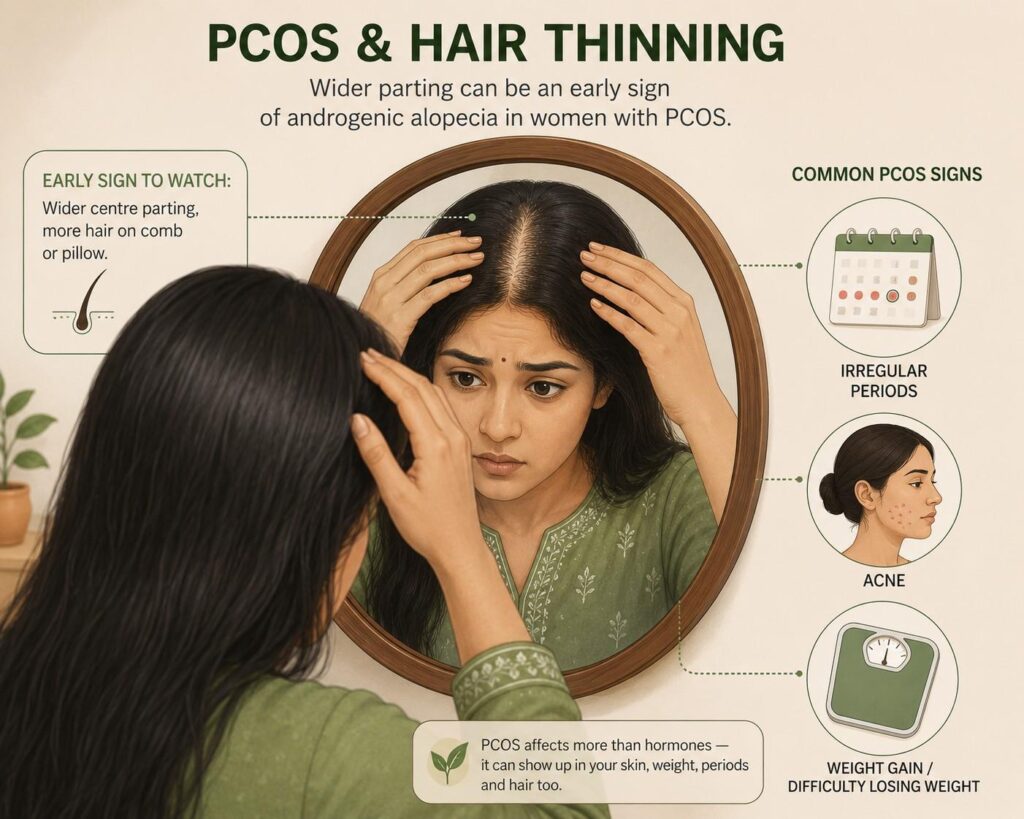
Polycystic Ovary Syndrome affects an estimated 1 in 5 Indian women of reproductive age — making it one of the most common hormonal disorders in the country. One of its many symptoms is androgenic alopecia — hair thinning at the crown and parting, driven by elevated androgens.
PCOS-related hair loss is a hair disease. It is tied to insulin resistance, hormonal imbalance, and metabolic dysfunction. While dietary and lifestyle changes help enormously in managing PCOS overall, the hair loss aspect often also needs targeted medical treatment alongside the broader hormonal management.
If you have irregular periods, acne along the jawline, unexplained weight gain, and hair thinning — please see a gynaecologist or endocrinologist. Don’t just treat the hair loss in isolation.
For more information:https://hairglowguide.com/hair-growth-foods-for-vegetarian-women/
https://hairglowguide.com/complete-hair-care-routine-for-beginners/
https://hairglowguide.com/best-nuts-and-seeds-for-hair-growth/
15 Key Differences: Hair Problem vs Hair Diseas
| # | Aspect | Hair Problem | Hair Disease |
|---|---|---|---|
| 1 | Root Cause | External / lifestyle-driven | Internal / biological / clinical |
| 2 | Onset | Gradual, linked to a trigger | Can be sudden, no obvious trigger |
| 3 | Reversibility | Highly reversible | Partially to permanently reversible |
| 4 | Scalp Appearance | Normal or mildly dry/oily | Lesions, patches, scales, inflammation |
| 5 | Hair Loss Pattern | Diffuse, even shedding | Patchy, patterned, or progressive |
| 6 | Diagnosis | Self-identifiable / basic tests | Requires dermatologist or trichologist |
| 7 | Treatment | Diet, lifestyle, topical care | Medical: prescription drugs, therapy |
| 8 | Ayurvedic Remedies | Effective as core treatment | Supportive only — not a substitute |
| 9 | Contagiousness | Never contagious | Some are (tinea capitis) |
| 10 | Genetic Link | Usually none | Often present (androgenetic alopecia) |
| 11 | Immune System | Not involved | Often involved (autoimmune conditions) |
| 12 | Hormonal Link | Indirect (via stress or diet) | Direct (PCOS, thyroid, DHT) |
| 13 | Response to Home Remedies | Responds well | Minimal to no response |
| 14 | Urgency of Doctor Visit | Low to moderate | High — don’t delay |
| 15 | Long-term Risk | Low if addressed | High if untreated — permanent loss possible |
Quick 5-Question Self-Check
Before your next panic Google session, answer these honestly:
1. Did it start suddenly with no lifestyle change?
Yes → more likely a disease. No → more likely a problem.
2. Do you see any bald patches, scalp sores, or thick crusty scales?
Yes → see a doctor this week.
3. Has anything changed recently — diet, water, stress, products?
Yes → start with lifestyle correction first.
4. Does anyone in your family have a similar hair loss history?
Yes → could be androgenetic alopecia. Get evaluated.
5. Has it been going on for more than 4–6 months without improvement?
Yes → stop guessing and see a dermatologist.
If you said yes to questions 2, 4, or 5 — please book that appointment. You’re past the home remedy stage.
FAQs — Real Questions, Straight Answers
Q1. Is hair fall after COVID a hair problem or a hair disease?
It’s technically a hair disease — specifically telogen effluvium triggered by the systemic stress of a viral infection. The good news is that most cases resolve on their own within 6 months, especially with adequate protein, iron, and B12 support. If it’s been longer than 6 months, see a trichologist.
Q2. My hair falls a lot during monsoon every year. Should I be worried?
Seasonal hair fall during monsoon is a hair problem, and it’s extremely common across India. It usually lasts 6–8 weeks and then naturally reduces. Keep your scalp clean during this time — humidity increases fungal activity and sweat buildup. If it continues beyond 3 months or you notice patches, then investigate further.
Q3. I have dandruff that never fully goes away. Is it a problem or a disease?
Mild dandruff that responds (even temporarily) to anti-dandruff shampoos is a hair problem. But if your dandruff is stubborn, comes with thick yellowish greasy flakes, redness, or doesn’t respond to over-the-counter products, it may be seborrhoeic dermatitis — a hair disease that needs a dermatologist.
Q4. Can Ayurvedic ingredients like bhringraj, amla, and methi treat hair diseases?
Ayurvedic ingredients are genuinely powerful and well-supported by traditional use and increasingly by modern research. Amla is rich in Vitamin C and antioxidants that support scalp health. Bhringraj has anti-inflammatory properties. Methi seeds are high in protein and nicotinic acid that nourish follicles.
Q5. How do I know if my hair thinning is PCOS-related?
Look at the full picture. PCOS-related hair thinning typically comes alongside other signs: irregular or infrequent periods, acne on the jawline or chin, unexplained weight gain especially around the abdomen, and sometimes excess facial or body hair. If you have two or more of these alongside hair thinning, please see a gynaecologist and get a hormonal panel done. Treating the PCOS is the key to managing the hair loss.
The Bottom Line
Here is the simplest way to remember all of this:
Hair problem = your hair is reacting to something around it or missing something it needs. Fix the environment or the input, and the hair recovers.
Hair disease = something inside your body — your immune system, your hormones, your genetics, or an infection — is affecting your hair at the root level. No amount of oiling or diet change alone will fix it.
Both are real. Both matter. Neither should be ignored or over-treated.
The most empowered thing you can do for your hair health is to learn to tell the difference — and then take the right action at the right time.
Your hair has been with you through everything. It deserves to be understood properly
 Admin
Admin