
 Admin
Admin Hair fall is one of the most common complaints among Indian women and men — and for good reason. Between hard water, scorching summers, humid monsoons, stress, and nutrient-poor diets, our hair takes a serious beating. Walk into any Indian home and you’ll find at least one bottle of oil, one dabba of methi dana, or one grandmother with a strong opinion about shikakai. That’s not a coincidence. Ayurveda has been treating hair fall at the root — literally — for over 5,000 years.
Unlike chemical treatments that suppress symptoms, Ayurvedic remedies work by restoring the internal and external balance that healthy hair depends on. If you’re losing more than 100 strands a day, or noticing thinning at the temples and crown, these 12 Ayurvedic home remedies for hair fall are worth adding to your routine — starting this week.
What Causes Hair Fall According to Ayurveda?
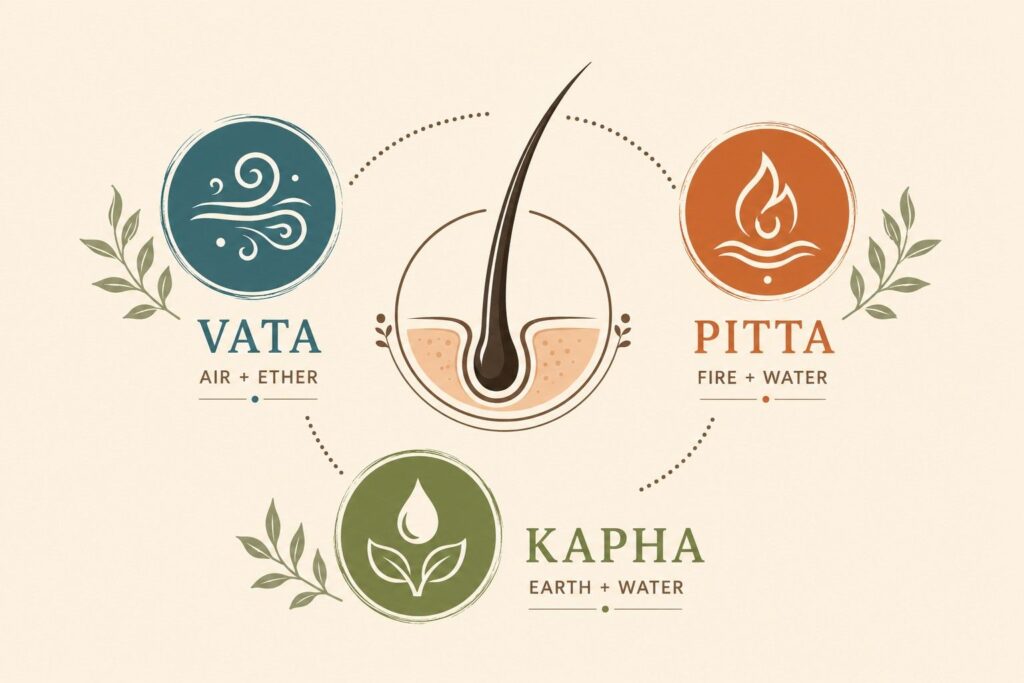
In Ayurvedic science, excessive hair fall — called Khalitya — is primarily linked to an aggravated Pitta dosha. Pitta governs heat and metabolism. When it spikes (due to stress, spicy food, heat exposure, or hormonal shifts), it attacks the hair follicles from within, weakening the root and causing premature shedding.
Vata imbalance causes dryness and brittleness, while Kapha imbalance leads to scalp congestion, dandruff, and blocked follicles. Most Indians dealing with hair fall are fighting a combination of two of these — which is exactly why Ayurvedic remedies focus on oiling, cooling, nourishing, and detoxifying all at once.
12 Ayurvedic Home Remedies for Hair Fall
1. Bhringraj Oil Massage
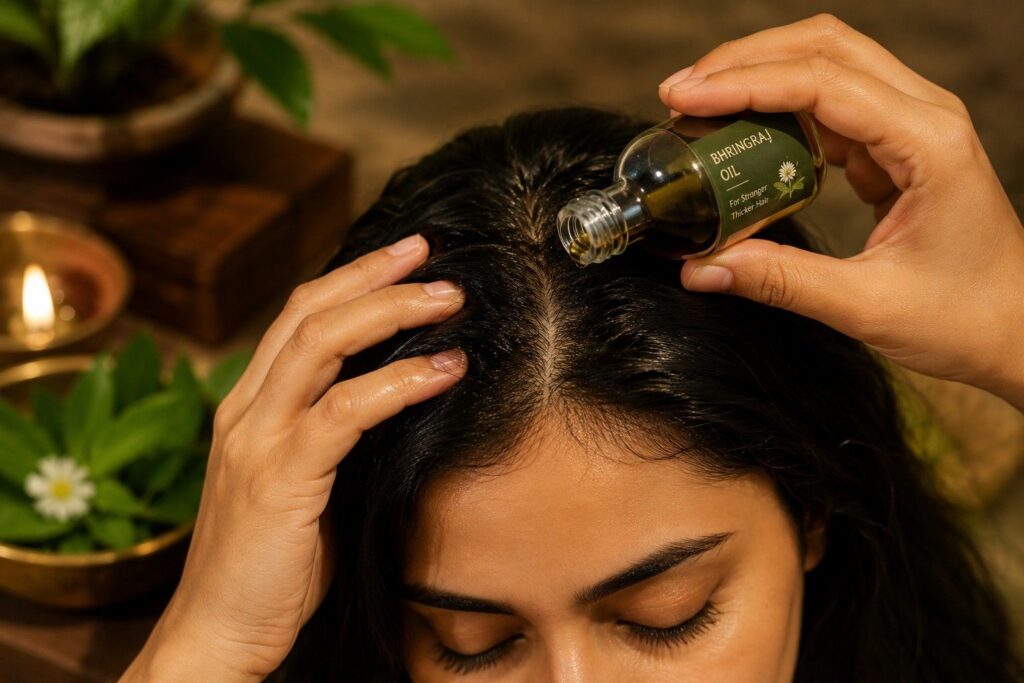
Best for: Pitta-dominant hair fall, premature greying, thinning at the crown
Bhringraj (Eclipta alba) is known in Ayurveda as “Keshraj” — the king of hair. It is one of the most researched herbs for hair growth, with studies suggesting it may stimulate follicular proliferation and extend the anagen (growth) phase of the hair cycle.
How to use: Warm 2–3 tablespoons of bhringraj oil (available at any local kirana or Patanjali store). Part your hair into sections and massage directly into the scalp using circular motions for 10–15 minutes. Leave on for at least 1 hour, or overnight. Wash with a mild herbal shampoo. Use 2–3 times a week for best results.
Why it works: Bhringraj reduces scalp inflammation, improves blood circulation to follicles, and is a natural DHT blocker — the hormone most responsible for hereditary hair thinning.
2. Amla (Indian Gooseberry) Hair Mask
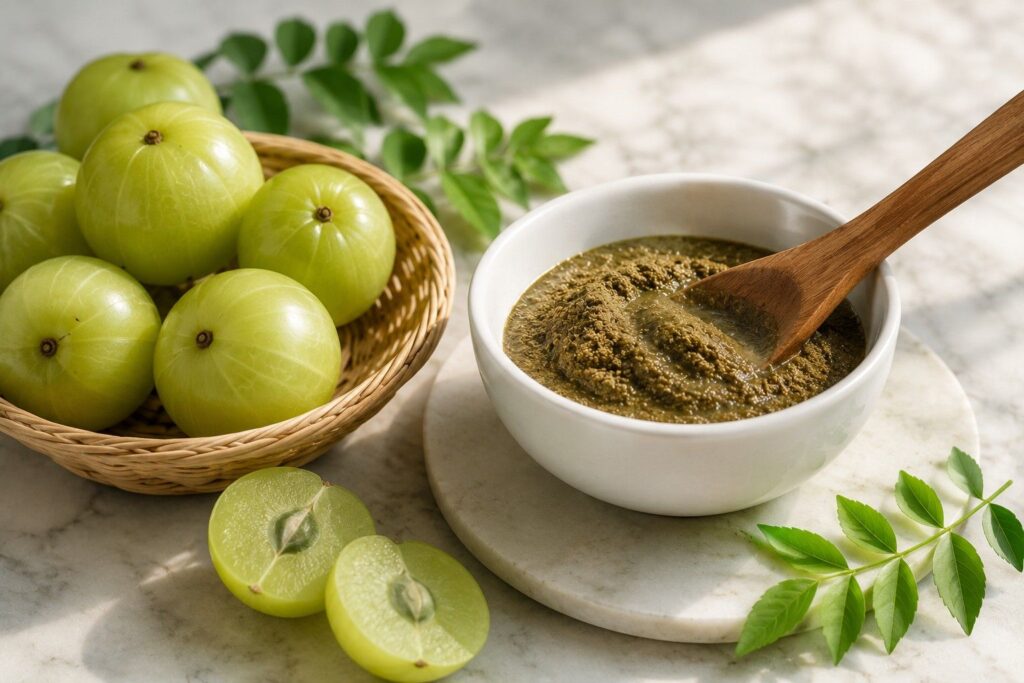
Best for: Weak, brittle hair; scalp oxidative stress; vitamin C deficiency
Amla is arguably the most powerful single ingredient in Ayurvedic hair care. It is loaded with Vitamin C (20 times more than an orange), tannins, and antioxidants that protect hair follicles from free radical damage and strengthen the hair shaft from root to tip.
How to use: Mix 2 tablespoons of amla powder with enough warm water to make a paste. Add 1 teaspoon of coconut oil. Apply to scalp and lengths. Leave on for 30–45 minutes, then rinse thoroughly. Alternatively, mix fresh amla juice with equal parts coconut oil and use as a pre-wash oil.
Pro tip: Eating 1–2 fresh amlas daily — or drinking amla juice every morning — provides an internal boost that topical application alone cannot replicate.
3. Methi (Fenugreek) Seed Paste
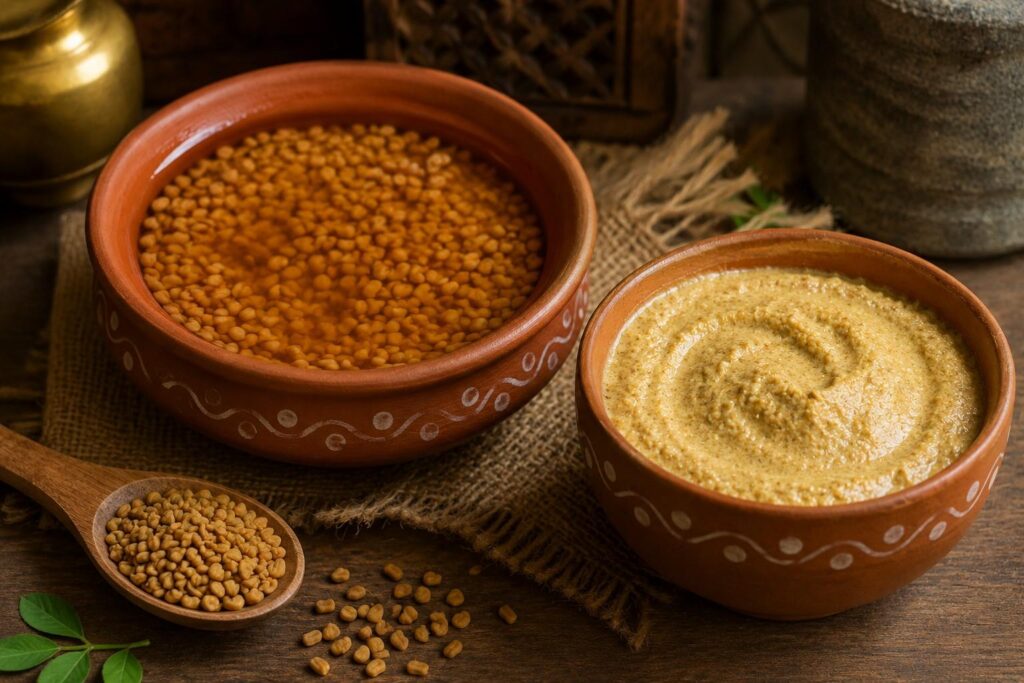
Best for: Dandruff-related hair fall, scalp dryness, follicle strengthening
Methi dana is a staple in every Indian kitchen and one of the most effective remedies for hair fall. Fenugreek seeds are rich in nicotinic acid and protein — two nutrients that directly nourish hair follicles. They also contain lecithin, a natural emollient that hydrates the scalp and reduces breakage.
How to use: Soak 3–4 tablespoons of fenugreek seeds overnight in water. Grind into a smooth paste in the morning. Apply directly to the scalp, leave for 30–45 minutes, then rinse with cool water. Use once a week consistently for a minimum of 4–6 weeks to see visible reduction in shedding.
Bonus: Add a tablespoon of fresh yogurt to the paste for added cooling and anti-fungal benefit — excellent for the monsoon season when scalp infections spike.
4. Onion Juice Treatment
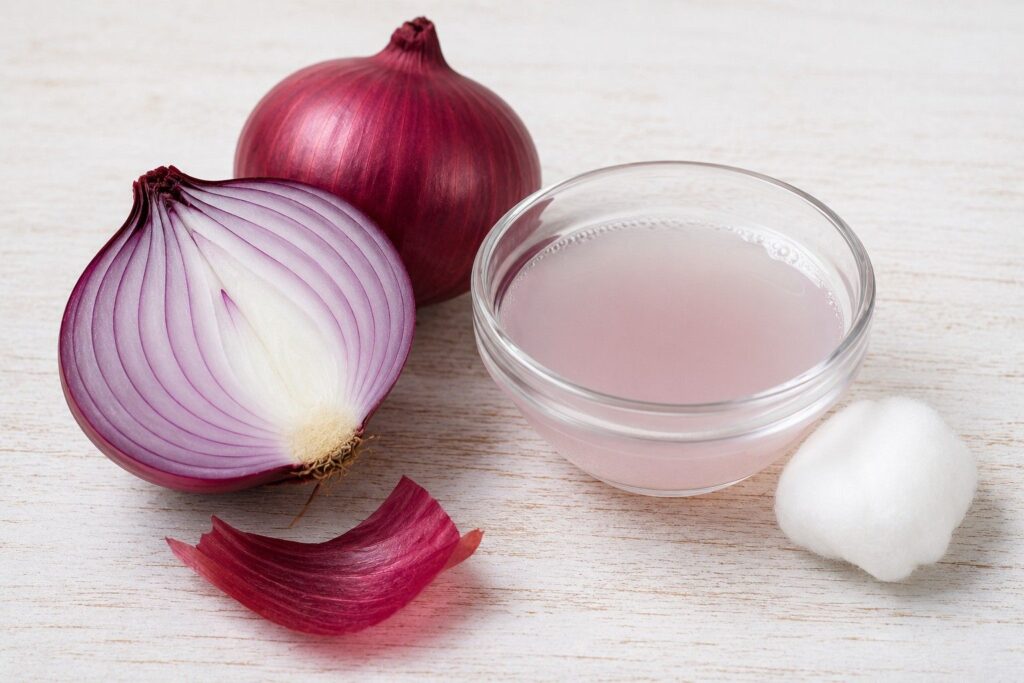
Best for: Patchy hair fall (alopecia areata), poor scalp circulation, scalp infections
This remedy may not be the most fragrant, but science strongly backs it up. Onion juice is high in sulfur, which boosts collagen production and supports keratin synthesis — both critical for strong hair. A widely cited clinical study found that applying onion juice twice weekly led to significant hair regrowth in participants with alopecia areata.
How to use: Grate or blend a medium onion and strain through a muslin cloth to extract the juice. Apply with a cotton ball directly to the scalp. Leave on for 30 minutes to 1 hour. Wash off with a mild shampoo. Repeat twice a week.
Tip: Add 2–3 drops of peppermint essential oil to reduce the strong smell and add a cooling effect.
5. Neem Leaf Paste or Neem Oil
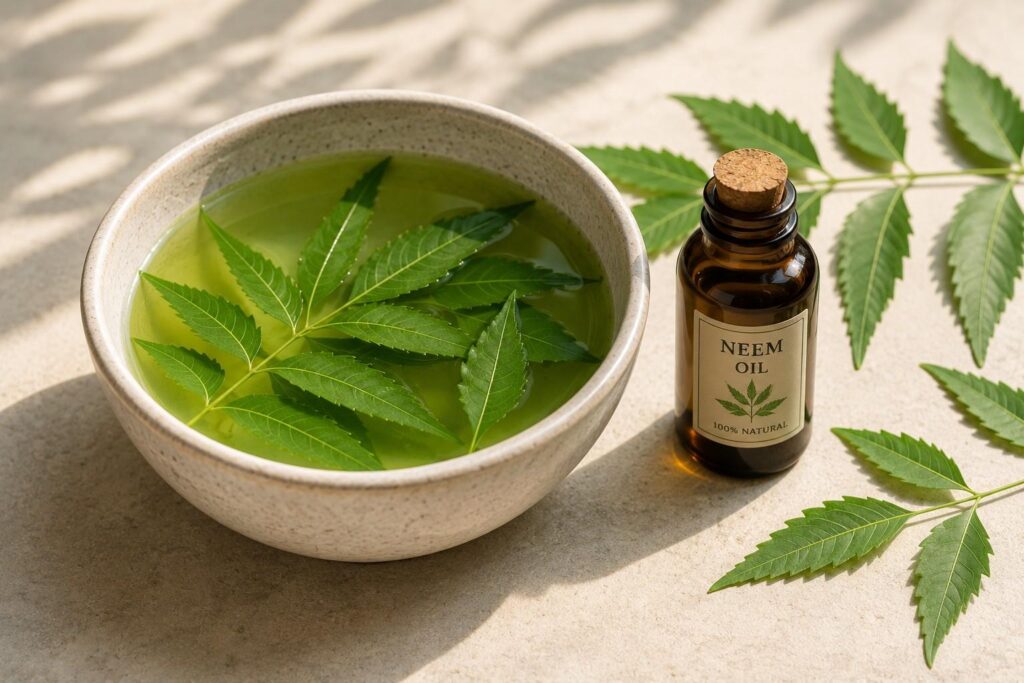
Best for: Dandruff-related fall, fungal scalp conditions, oily scalp buildup
Neem is the ultimate Ayurvedic purifier. Its antifungal, antibacterial, and anti-inflammatory properties make it ideal for addressing scalp conditions that choke hair follicles — particularly dandruff, seborrheic dermatitis, and scalp acne, which are extremely common during India’s humid months.
How to use: Boil a handful of fresh neem leaves in 2 cups of water until the water turns green. Cool, strain, and use as a final scalp rinse after washing. Alternatively, mix a few drops of neem oil into your regular carrier oil before massaging.
Important: Neem oil is very potent — always dilute it with a carrier oil (coconut, sesame, or almond) before applying directly to the scalp.
6. Brahmi and Coconut Oil Hair Mask
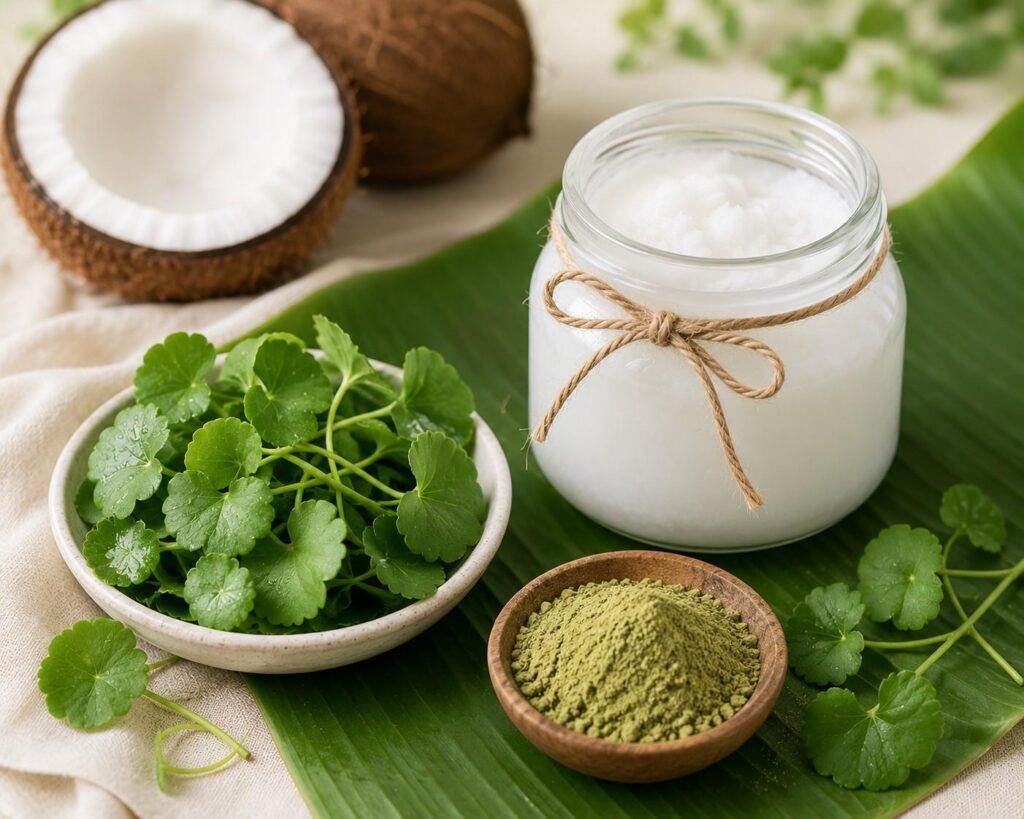
Best for: Stress-induced hair fall, premature greying, split ends
Brahmi (Bacopa monnieri) is primarily known as a brain tonic in Ayurveda, but its benefits extend deeply to the scalp. It strengthens the hair shaft, reduces split ends, and — most importantly for urban Indians — actively calms the nervous system, targeting stress as a root cause of hair fall.
How to use: Heat 4 tablespoons of virgin coconut oil and add 1–2 teaspoons of brahmi powder. Stir well and let the blend cool slightly. Massage into the scalp and leave overnight. Wash in the morning. Use 1–2 times per week.
7. Shikakai and Reetha Cleanser
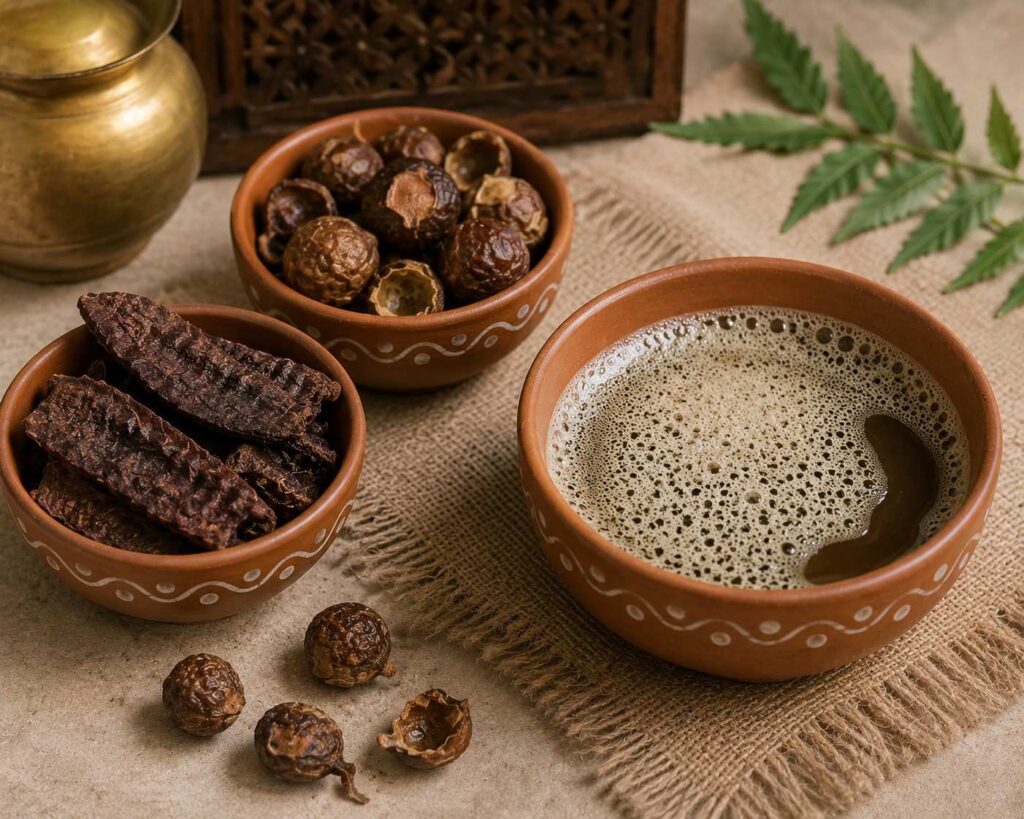
Best for: Over-washing damage, SLS sensitivity, chemical shampoo buildup
Shikakai (Acacia concinna) and Reetha (soapnut) have been the original “shampoo” for Indian women for centuries — and for good reason. They gently cleanse the scalp without stripping natural oils, maintain the scalp’s pH balance, and strengthen hair right from the roots. If your hair fall is triggered by harsh commercial shampoos, switching to a shikakai-reetha wash is one of the most effective Ayurvedic interventions available.
How to use: Soak 2 tablespoons each of shikakai powder and reetha pieces overnight. Boil in 2 cups of water until soft. Cool and strain. Use the liquid as a shampoo, massaging into scalp and lengths. Rinse with water.
Where to buy: Easily available at local Patanjali stores, Ayurvedic shops, or online.
8. Castor Oil and Sesame Oil Blend
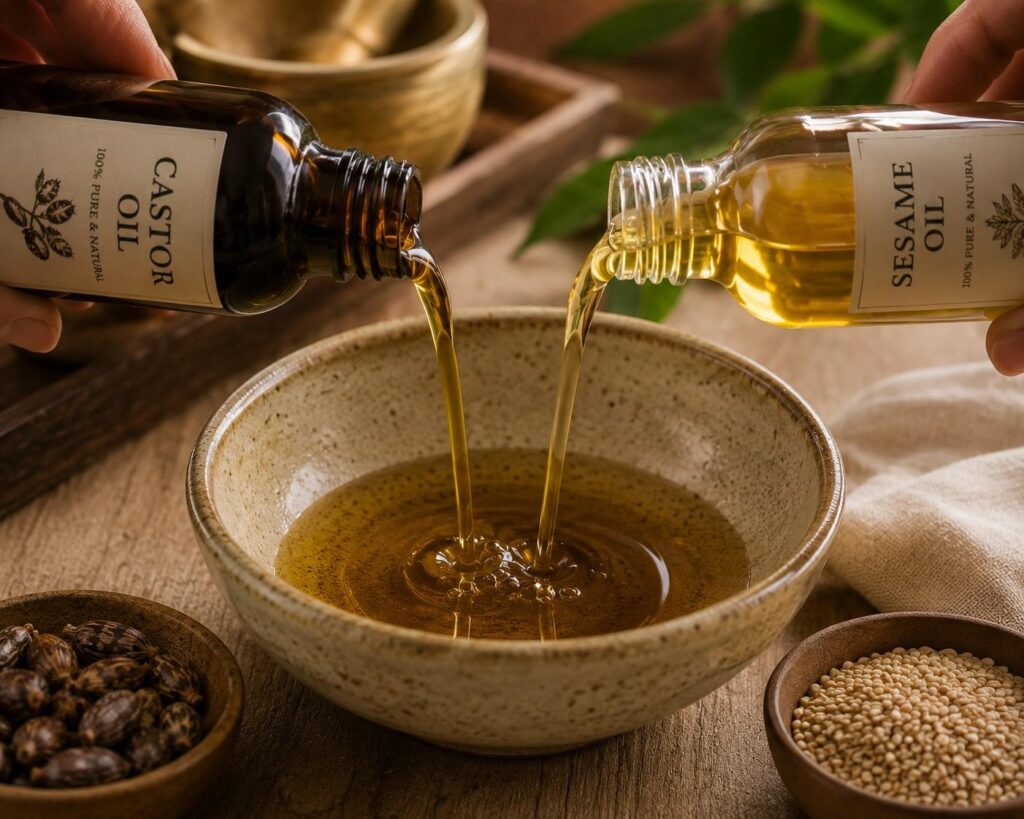
Best for: Extreme thinning, dry scalp, receding hairline
Castor oil is rich in ricinoleic acid — a unique fatty acid with strong anti-inflammatory and antimicrobial properties. However, it is thick and difficult to rinse out alone. Mixing it in equal parts with sesame oil (which is deeply warming and Vata-balancing in Ayurveda) creates the perfect blend for intense nourishment without the buildup.
How to use: Mix equal parts cold-pressed castor oil and sesame oil. Warm slightly. Apply to the scalp and hairline, paying extra attention to thinning patches. Leave on for at least 2 hours. Wash off with a herbal shampoo. Use once or twice a week.
9. Curry Leaves in Coconut Oil
Best for: Premature greying + hair fall, beta-carotene deficiency
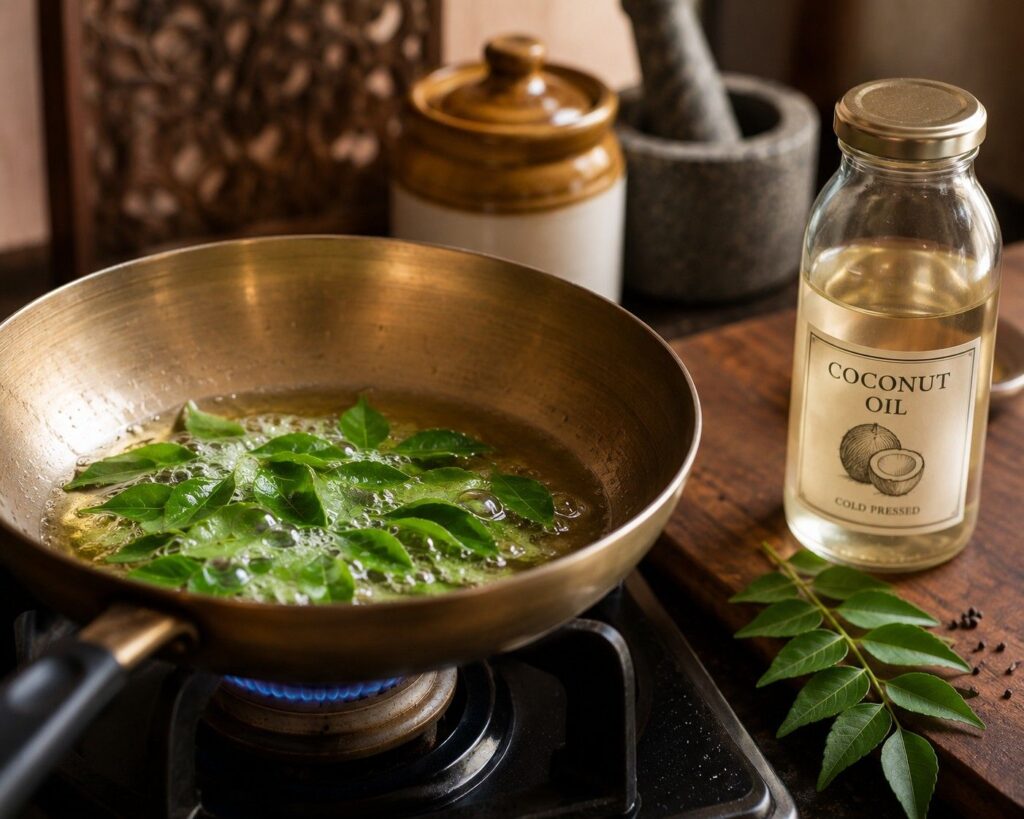
Curry leaves (Kadi patta) are a treasure hidden in plain sight in every South and North Indian kitchen. They are rich in beta-carotene, proteins, and amino acids that strengthen hair follicles and prevent thinning. Infusing them into coconut oil makes for one of the most effective Ayurvedic tonics for both hair fall and premature greying.
How to use: Heat 4–5 tablespoons of virgin coconut oil over low flame. Add a handful of fresh curry leaves and let them sizzle until they darken. Cool completely, strain, and store in a glass bottle. Massage into scalp 2–3 times a week.
Also eat them: Adding curry leaves to your dal, sabzi, or tadka regularly gives your hair the nutrition it needs from the inside too.
10. Hibiscus Flower and Leaf Paste
Best for: Scalp inflammation, hair fall due to dryness, early-stage thinning
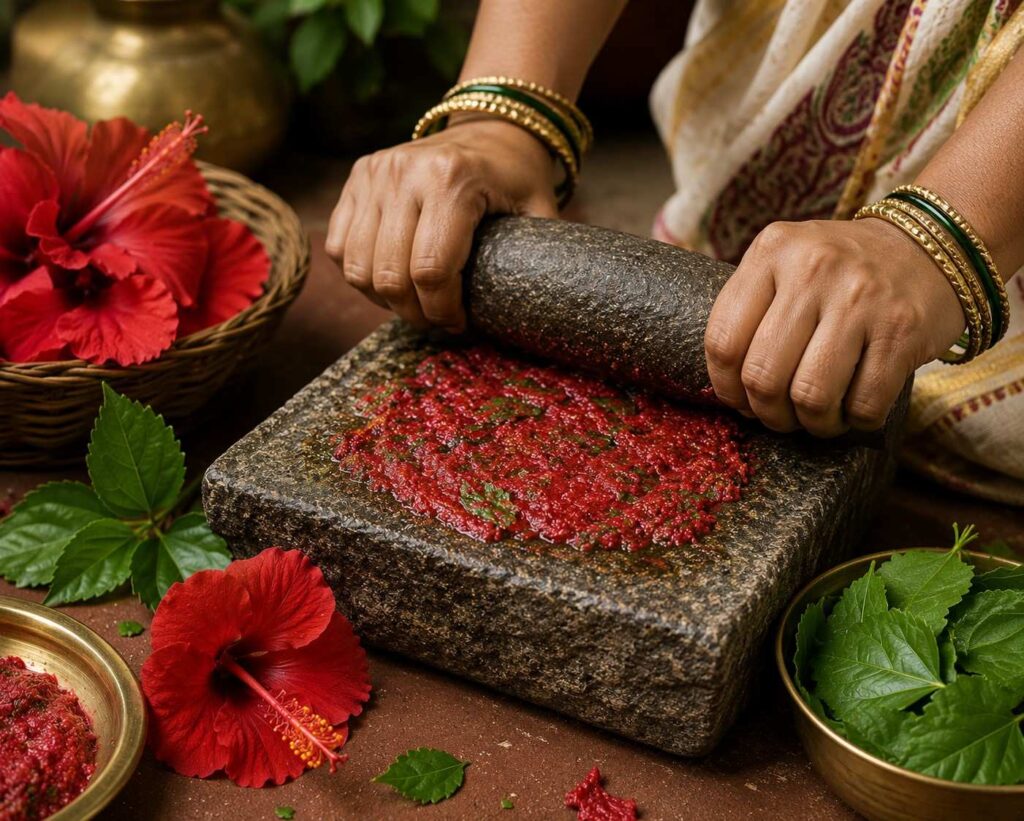
The Gudhal flower is not just decorative — it is a potent Ayurvedic remedy for hair fall. Hibiscus is rich in amino acids, Vitamin C, and natural mucilage that conditions the scalp and promotes follicle health. It is one of the few remedies that work simultaneously as a conditioner, stimulator, and anti-inflammatory.
How to use: Grind 4–5 fresh hibiscus flowers (red variety) and 8–10 hibiscus leaves with enough coconut oil to make a smooth paste. Apply to the scalp and hair. Leave for 45 minutes. Rinse with cool water and a mild cleanser. Use twice a week.
11. Aloe Vera Scalp Gel
Best for: Oily scalp, itchy scalp, dandruff-triggered hair fall
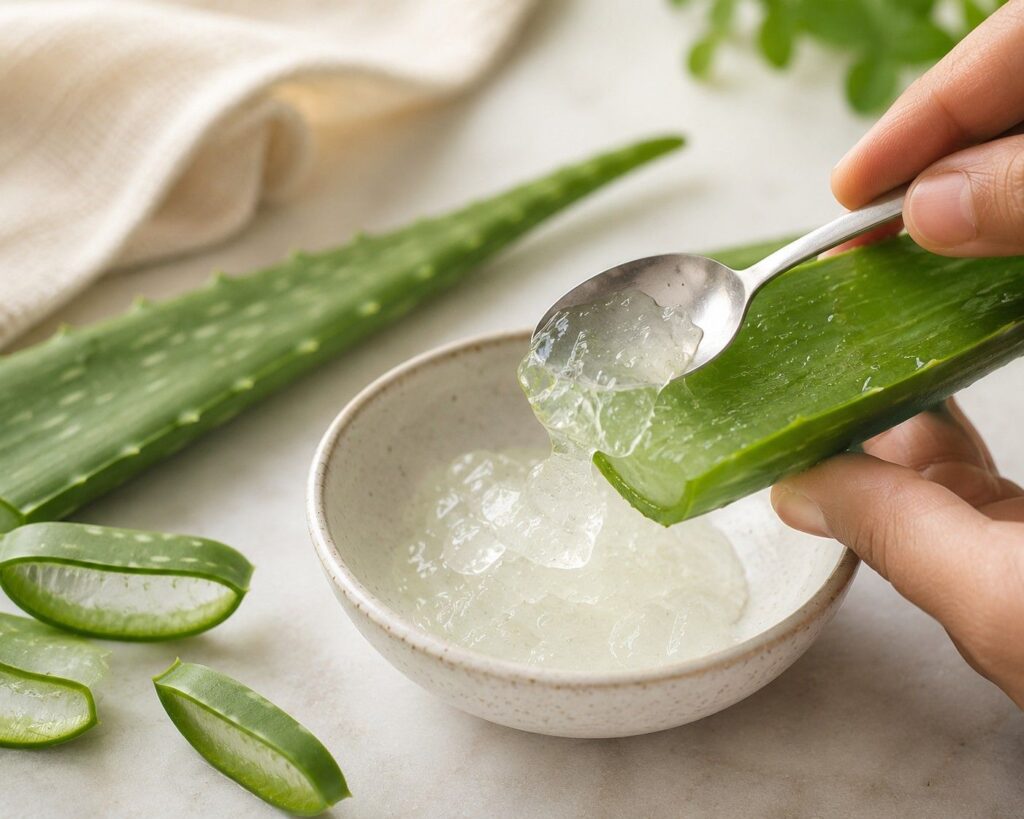
Fresh aloe vera gel contains enzymes that repair dead skin cells on the scalp, reduce scalp pH imbalance, and provide deep hydration to hair follicles. In Ayurveda, it is classified as a Pitta-pacifying ingredient — making it especially useful in Indian summers when scalp heat and inflammation peak.
How to use: Scoop fresh gel from an aloe vera leaf (easily grown at home across India). Blend smooth and apply directly to the scalp. Leave for 30 minutes before washing. For enhanced results, mix with a teaspoon of castor oil before applying.
12. Triphala Scalp Rinse
Best for: Internal detox, scalp buildup, dull lifeless hair with heavy fall
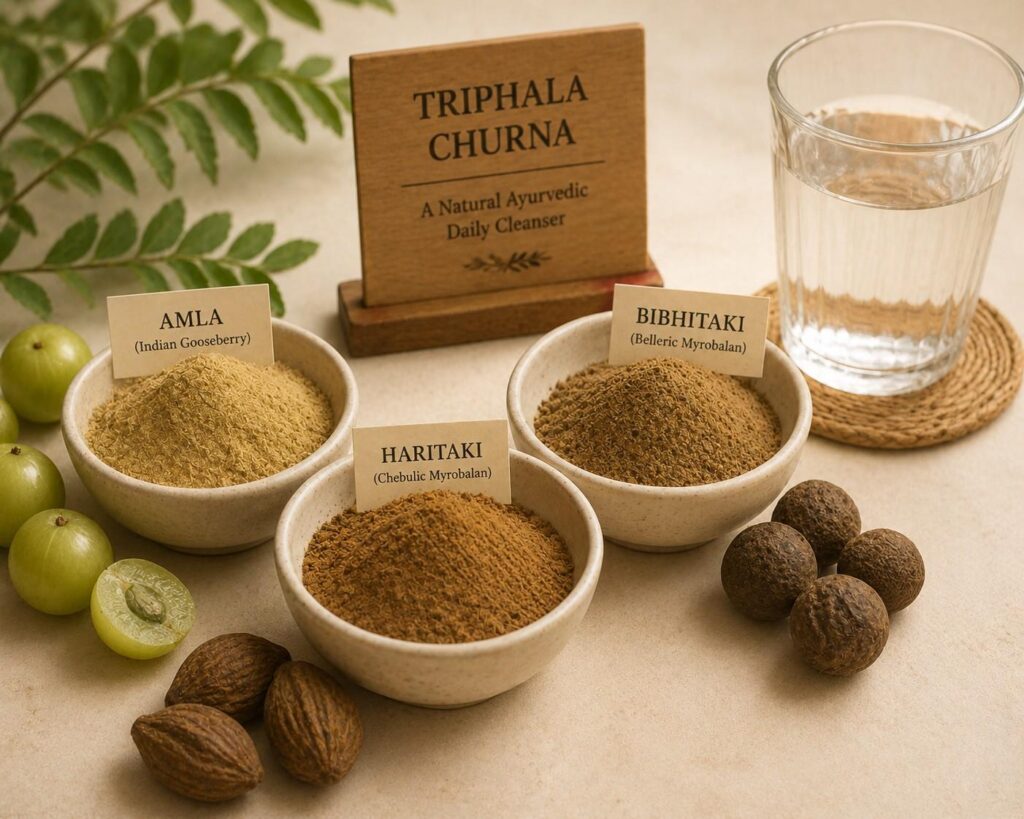
Triphala — the combination of amla, haritaki, and bibhitaki — is Ayurveda’s most celebrated detoxifying formula. When used as a scalp rinse, it removes buildup, balances scalp microbiome, and delivers concentrated antioxidants directly to follicles. It also works powerfully when consumed internally as a churna or tablet — addressing the Pitta imbalance at its source.
How to use (topical): Dissolve 1 tablespoon of triphala churna in 2 cups of warm water. Let it steep for 15 minutes. Use as a final rinse after washing your hair. Do not rinse out. Use 2–3 times a week.
How to use (internal): Take ½ teaspoon of triphala churna with warm water every night before bed. This is perhaps the most powerful single Ayurvedic step for long-term hair fall reduction.
How Long Before You See Results?
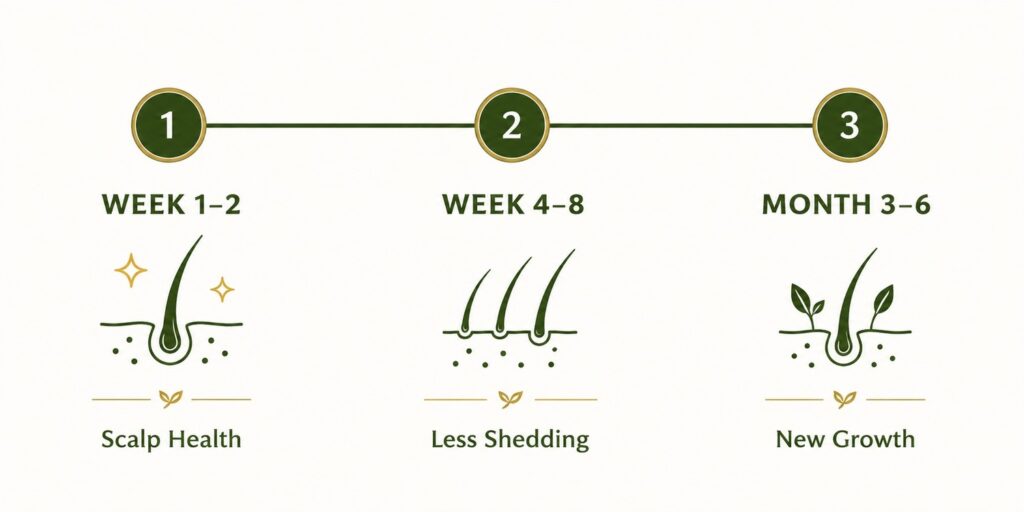
Ayurvedic remedies are not overnight fixes — they are lifestyle corrections. Most users report:
- 2–4 weeks: Reduction in scalp itching, oil, and dandruff
- 4–8 weeks: Noticeably less shedding during washing and combing
- 3–6 months: Visible new growth, improved hair density and texture
Consistency is everything. Choose 2–3 of the above remedies that match your primary concern, and apply them religiously for at least 8 weeks before evaluating results.
For more information:https://hairglowguide.com/hairglowguide-com-hair-problem-vs-hair-disease-difference/
https://hairglowguide.com/hair-problems-during-monsoon-season/
https://hairglowguide.com/10-hair-care-tips-for-healthy-hair/
Frequently Asked Questions:
Q1. Which is the best Ayurvedic remedy for hair fall?
Bhringraj oil is widely considered the best Ayurvedic remedy for hair fall. It stimulates blood circulation to hair follicles, reduces scalp inflammation, and may block DHT — the hormone responsible for follicle shrinkage. Regular scalp massage with bhringraj oil 2–3 times a week is one of the most effective and research-backed Ayurvedic treatments for reducing hair fall and promoting regrowth.
Q2. How can I stop hair fall immediately at home using Ayurveda?
While no remedy stops hair fall overnight, the fastest-acting Ayurvedic home remedies include onion juice (applied directly to the scalp for 30 minutes, twice a week), amla juice (consumed daily on an empty stomach), and a warm bhringraj or coconut oil massage before washing. Consistency over 4–8 weeks delivers the most visible results.
Q3. How long does it take for Ayurvedic remedies to stop hair fall?
Most people notice a reduction in shedding within 4–8 weeks of consistent use. Scalp health improvements like reduced dandruff and itching typically appear within 2–4 weeks. Visible new hair growth and improved density generally take 3–6 months. Ayurvedic treatments work by correcting the root imbalance, so patience and regularity are essential.
Q4. Can I use multiple Ayurvedic remedies together for hair fall?
Yes, but with a structured approach. It is best to choose 2–3 remedies that target your specific concern — for example, bhringraj oil for stress-related fall, methi paste for dandruff, and amla internally for overall follicle strength. Avoid applying too many ingredients in a single session, as it can be difficult to identify what is working. Combine topical treatments with dietary changes for the best results.
Q5. Which Ayurvedic herb is best for hair fall due to stress?
Brahmi (Bacopa monnieri) is the most effective Ayurvedic herb for stress-induced hair fall. It works on two levels — it calms the nervous system and reduces cortisol (which triggers Pitta aggravation and follicle damage), and when applied as a scalp oil, it nourishes the hair shaft and reduces breakage. Ashwagandha is another powerful adaptogen recommended internally for stress-related hair fall.
Final Thoughts
India has one of the richest herbal traditions in the world when it comes to hair care — and the best part is, most of these remedies are already sitting in your kitchen or available at the nearest kirana or Ayurvedic store. You don’t need expensive salon treatments or chemical serums to stop hair fall. What you need is patience, consistency, and the right ingredients.
Start with the remedy that matches your primary concern — bhringraj or brahmi oil for stress-related fall, methi for dandruff-triggered loss, amla for weak brittle hair — and build your routine from there. Your scalp has been waiting for this kind of attention for a long time.

 Admin
Admin