 Admin
Admin Your kitchen is not just where rotis get made — it is quietly one of the most powerful hair care pharmacies in the world. From the humble methi dana soaking in a bowl to the bottle of sarson ka tel sitting on the shelf, Indian kitchens have always held centuries-old secrets for strong, thick, and lustrous hair.
The best part? These kitchen ingredient home remedies for hair cost a fraction of what premium salon products do, contain zero harmful sulfates or parabens, and are deeply rooted in both Ayurvedic wisdom and modern trichological research.
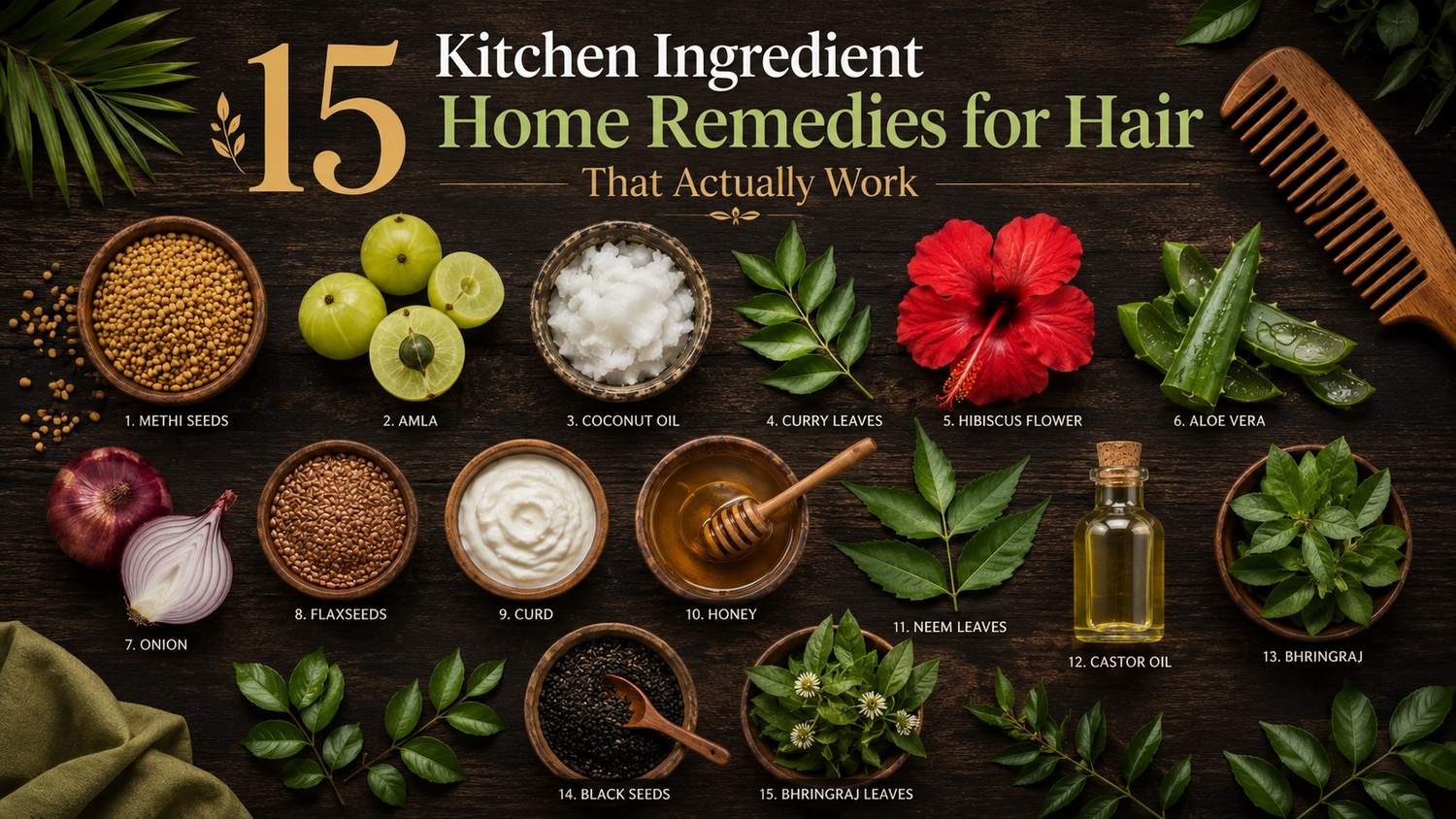
Whether you are dealing with excessive hair fall, a dry and itchy scalp, slow growth, or frizzy, lifeless strands — there is almost certainly a remedy sitting inside your kitchen right now. Here are 15 of the most effective ones, along with exactly how to use them.
1. Methi (Fenugreek Seeds) — The Hair Fall Fighter
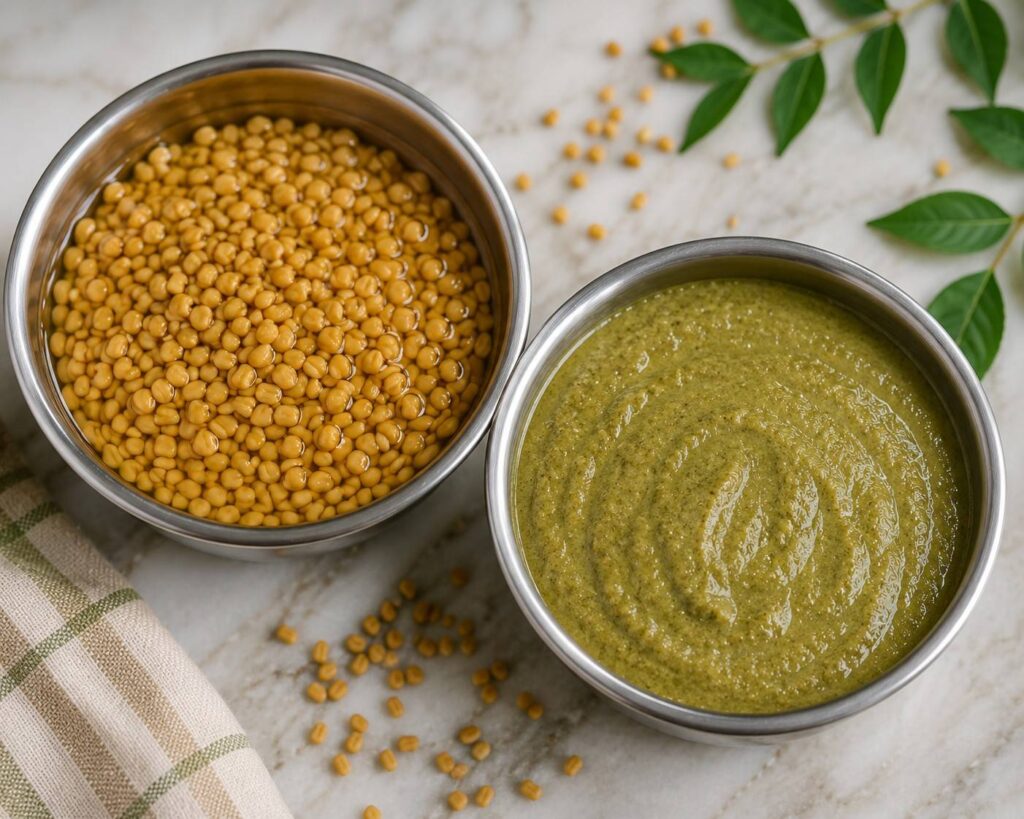
Methi dana is one of the most researched kitchen ingredients for hair in India. Fenugreek seeds are rich in nicotinic acid, proteins, and lecithin, all of which strengthen hair follicles and reduce breakage. They also contain diosgenin, a compound that mimics estrogen and may support hair growth at the follicular level.
How to use: Soak 3 tablespoons of methi seeds overnight. Grind into a smooth paste in the morning. Apply directly to scalp and hair, leave for 30–45 minutes, then wash with a mild shampoo. Use twice a week for visible results in 4–6 weeks.
Best for: Hair fall, weak hair, protein deficiency in hair shaft.
2. Amla (Indian Gooseberry) — The Vitamin C Powerhouse
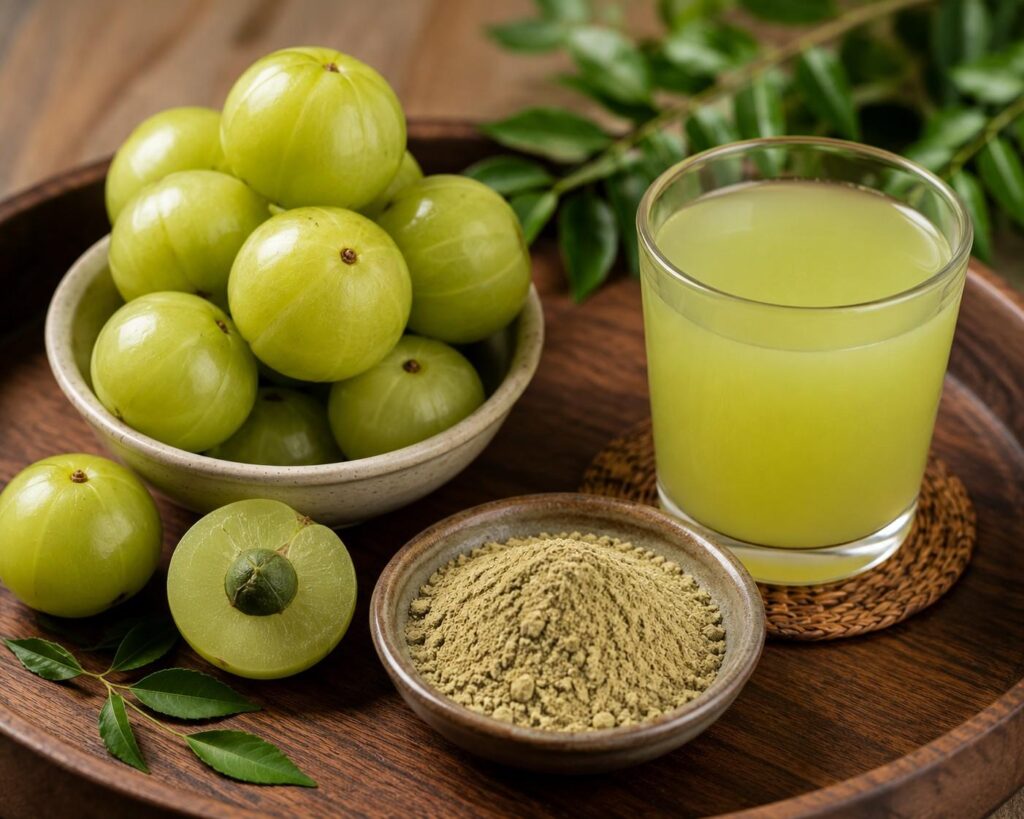
Amla is arguably the most important hair ingredient in the entire Ayurvedic system — and for good reason. It is one of the richest natural sources of Vitamin C, which is essential for collagen synthesis. Collagen directly supports the hair follicle structure. Amla also contains ellagic acid and gallic acid, which reduce scalp inflammation and combat premature greying.
How to use: Mix 2 tablespoons of amla powder with coconut oil to make a paste. Warm slightly and massage into the scalp. Leave overnight or for at least 1 hour before washing. Alternatively, mix fresh amla juice with lemon juice as a pre-wash scalp tonic.
Best for: Premature greying, slow hair growth, dull hair.
3. Coconut Oil — The Deep Conditioning Classic
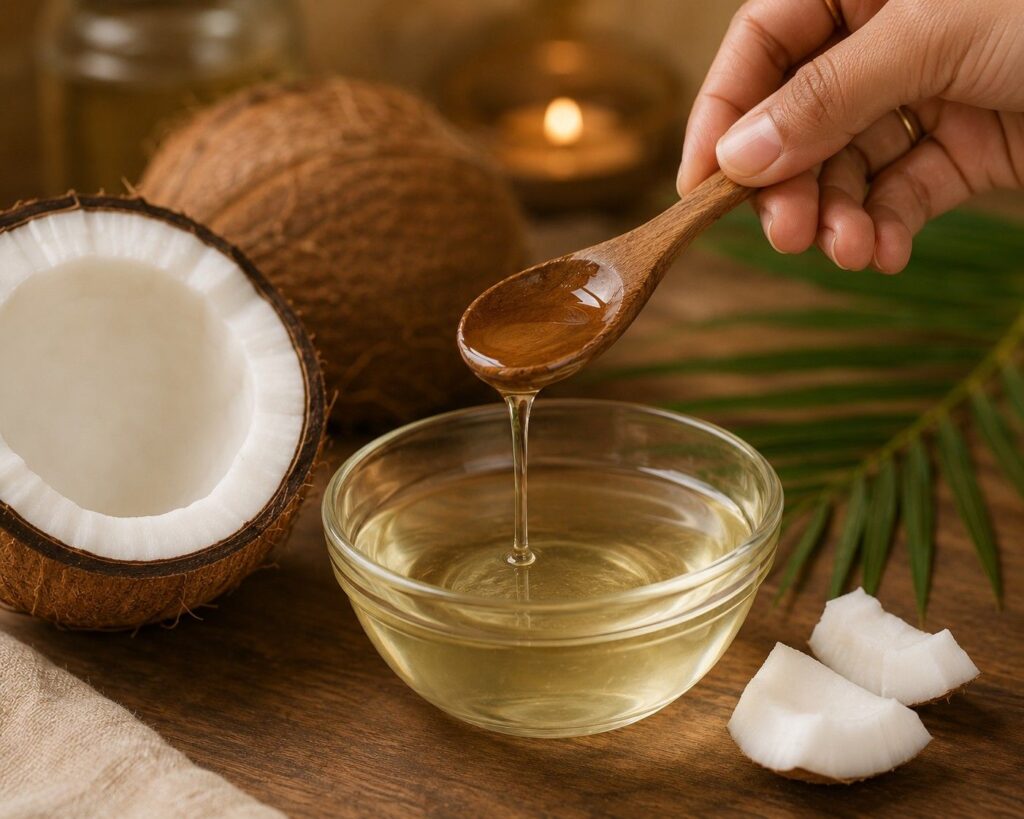
Coconut oil is the only oil scientifically proven to penetrate the hair shaft rather than sitting on the surface. A landmark study published in the Journal of Cosmetic Science confirmed that coconut oil reduces protein loss in both damaged and undamaged hair. Its lauric acid content has a high affinity for hair proteins, making it exceptional for reducing breakage.
How to use: Warm slightly. Section your hair and apply from root to tip. Massage the scalp in circular motions for 5–10 minutes. Leave for a minimum of 2 hours or overnight. Wash with a mild shampoo. For those with hard water (very common in Haryana and North India), add a few drops of lemon juice to the post-wash rinse to counteract mineral buildup.
Best for: Dryness, breakage, frizz, protein loss.
4. Onion Juice — The Sulfur-Rich Growth Booster
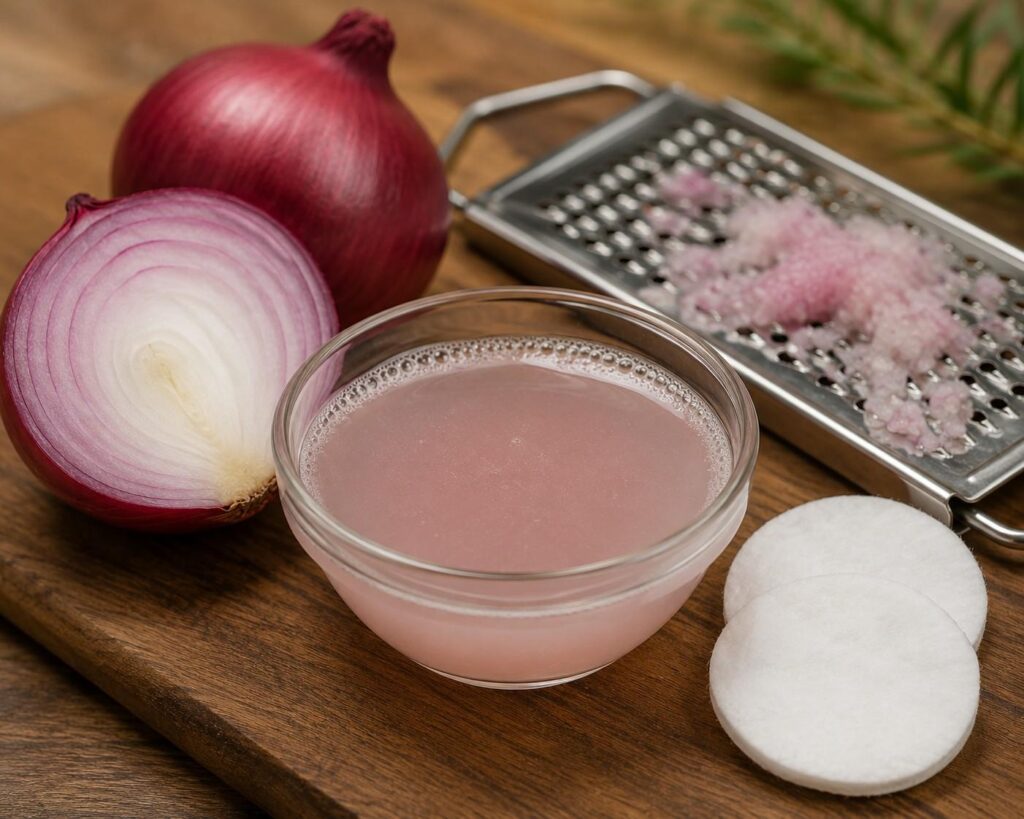
It smells strong, but the results are hard to argue with. Onion juice is rich in sulfur, a building block of keratin — the protein that makes up 90% of your hair. A 2002 study in the Journal of Dermatology found that participants who applied onion juice twice daily experienced significant hair regrowth compared to a control group.
How to use: Grate or blend one medium onion. Strain the juice using a muslin cloth. Apply directly to the scalp using a cotton pad or your fingertips. Leave for 30–60 minutes and wash thoroughly. Rinse with rose water or a light conditioner to manage the smell. Use 2–3 times a week.
Best for: Patchy hair loss, thinning at crown, alopecia areata.
5. Egg — The Protein Treatment You Need
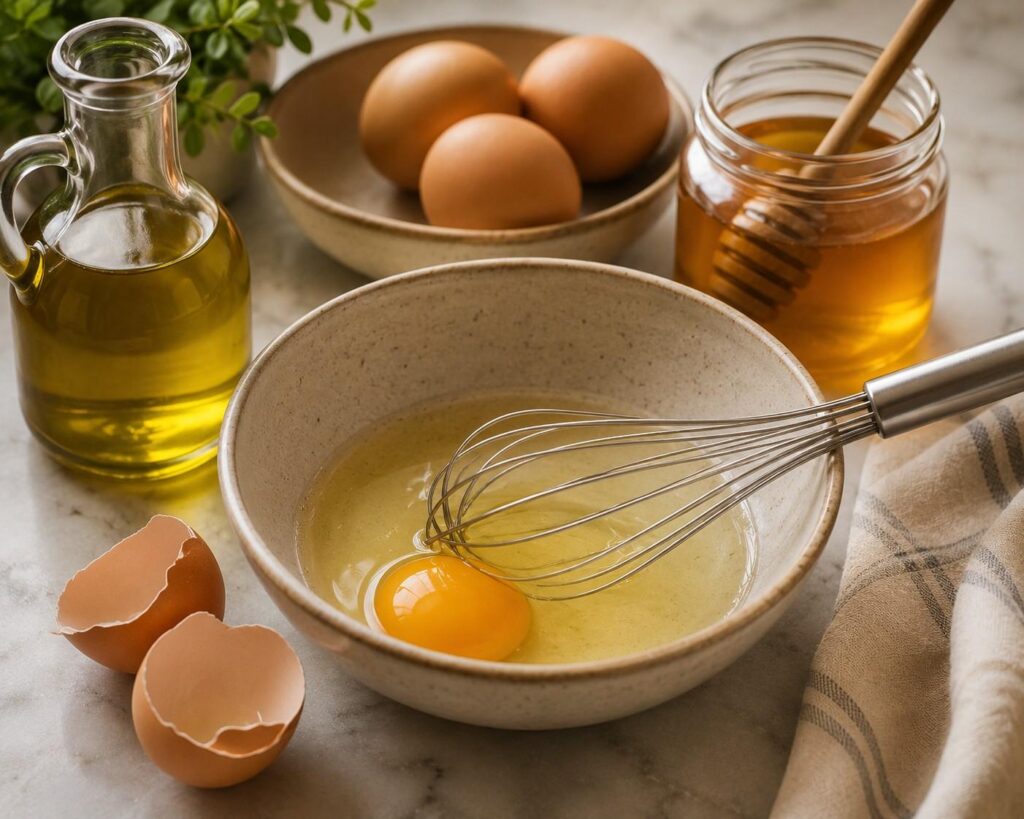
Eggs are a complete protein source, containing all essential amino acids. When applied to hair, egg proteins bond to the hair shaft, temporarily filling gaps in the cuticle and dramatically improving strength and shine. The yolk is rich in biotin and fatty acids that deeply condition, while the egg white contains enzymes that cleanse the scalp.
How to use: Beat 1–2 eggs (use whole egg for dry hair, egg white only for oily scalp). Add a tablespoon of olive oil and a teaspoon of honey. Apply to damp hair from roots to tips. Leave for 20–30 minutes. Rinse with cool water first (never hot — it will cook the egg in your hair), then shampoo.
Best for: Damaged, over-processed, or bleached hair. Brittle hair prone to snapping.
6. Curd (Dahi) — The Natural Conditioner and Scalp Probiotic
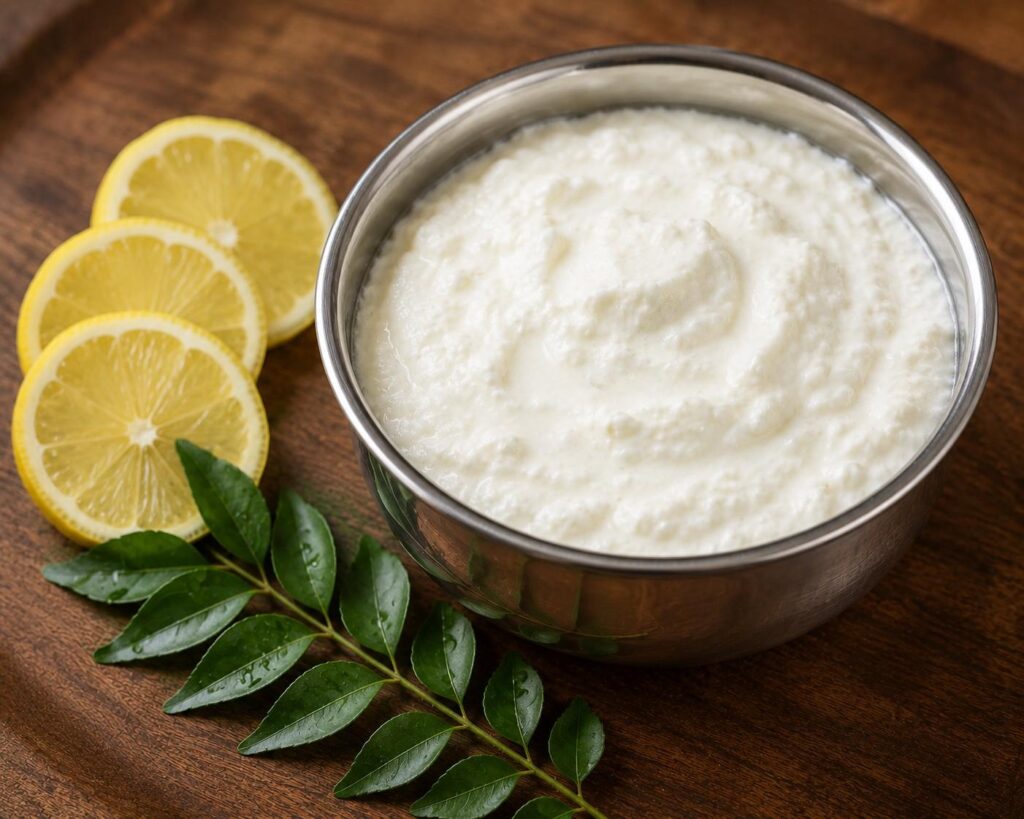
Dahi is a staple in Indian kitchens and an equally powerful hair care ingredient. The lactic acid in curd gently exfoliates the scalp, removing dead skin buildup and dandruff flakes. The proteins and fat content coat the hair shaft to improve softness and shine. Some researchers also suggest that the probiotic bacteria in fresh homemade curd may help balance scalp microbiome health.
How to use: Apply plain, room-temperature dahi directly to the scalp and hair. Leave for 30–40 minutes. Rinse with lukewarm water and shampoo lightly. For extra conditioning, mix with a tablespoon of honey and a few drops of lemon juice.
Best for: Dandruff, dry scalp, frizzy or coarse hair.
7. Bhringraj (Eclipta Alba) — The “King of Hair” Herb
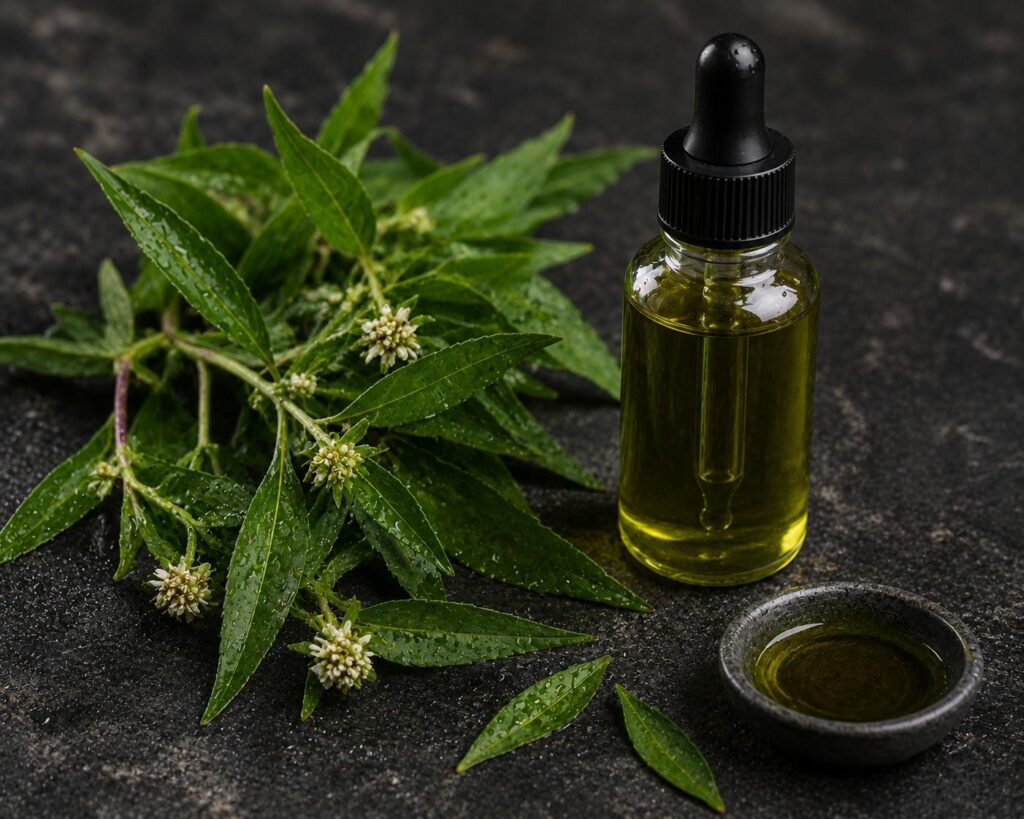
Bhringraj leaves are a cornerstone of Ayurvedic hair care, referenced extensively in texts like Charaka Samhita. Modern research supports its traditional use — studies indicate that bhringraj extract accelerates hair growth by extending the anagen (growth) phase of the hair cycle and by improving blood circulation to follicles. You may find fresh bhringraj leaves at local vegetable markets or bhringraj powder at kirana or Ayurvedic stores.
How to use: Boil a handful of fresh bhringraj leaves in coconut or sesame oil for 15–20 minutes. Allow to cool, strain, and apply the oil to the scalp. Massage for 10 minutes, leave overnight, shampoo in the morning. Alternatively, mix bhringraj powder with water or curd to create a hair mask.
Best for: Hair growth, premature greying, overall scalp health.
8. Neem Leaves — The Scalp Purifier
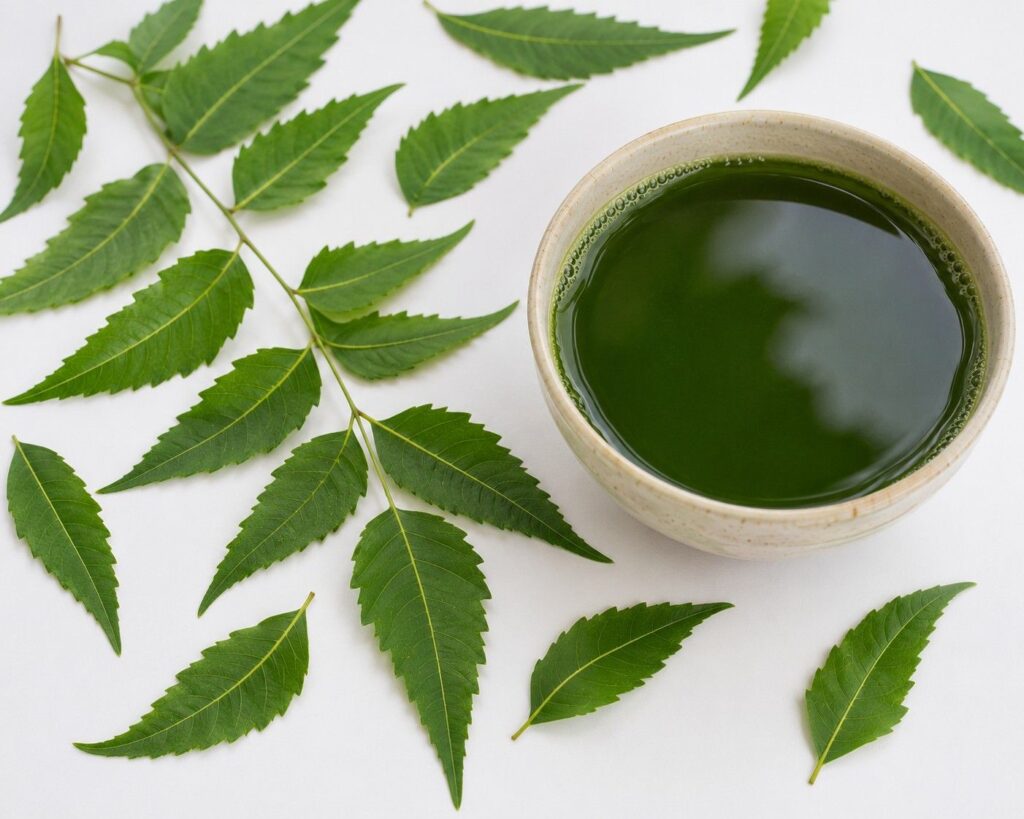
Neem is well known in Indian households for its antibacterial, antifungal, and anti-inflammatory properties. For scalp health, neem directly targets the fungal overgrowth (Malassezia) responsible for dandruff, as well as bacteria that contribute to folliculitis and scalp infections. It also contains azadirachtin, which may help soothe inflammatory scalp conditions.
How to use: Boil 20–25 neem leaves in water for 10–15 minutes. Allow to cool completely. Use this water as a final rinse after shampooing. Alternatively, grind fresh neem leaves into a paste and apply as a scalp mask for 30 minutes before washing.
Best for: Dandruff, itchy scalp, scalp infections, hair fall due to scalp inflammation.
9. Hibiscus (Gudhal) Flowers and Leaves — The Traditional Growth Tonic
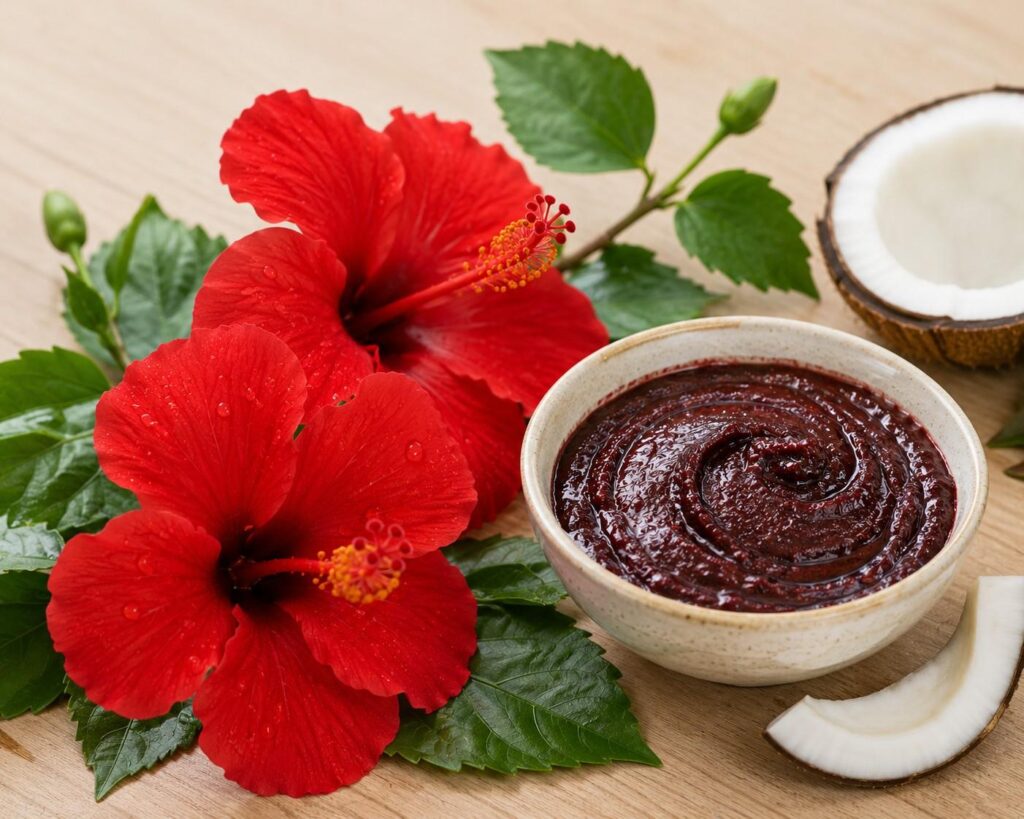
Hibiscus flowers and leaves are loaded with amino acids, Vitamin C, and natural mucilage. In traditional South Indian and Ayurvedic practice, hibiscus has been used for centuries to condition hair, reduce hair fall, and stimulate new growth. Research suggests hibiscus may inhibit the enzyme 5-alpha reductase, the same enzyme that converts testosterone to DHT — the hormone linked to androgenic hair loss.
How to use: Grind 4–5 hibiscus flowers and a handful of hibiscus leaves into a paste. Mix with coconut or sesame oil. Apply to scalp and hair for 1 hour before washing. Alternatively, infuse in oil by heating flowers in oil over low flame for 20 minutes, then straining and storing.
Best for: Hair thinning, premature greying, rough or brittle hair.
10. Aloe Vera — The Scalp Soother
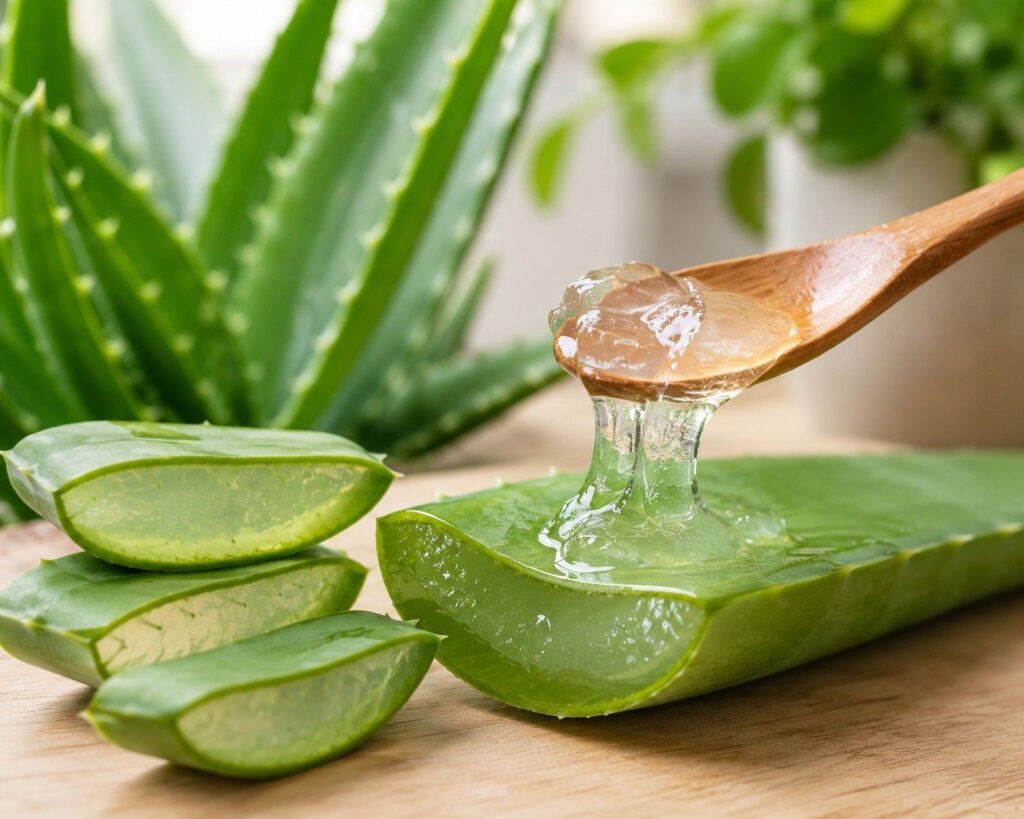
Fresh aloe vera gel is one of the most bioavailable hair ingredients available. It contains proteolytic enzymes that repair dead scalp cells, a proteolytic enzyme that can remove sebum and product buildup blocking follicles, and a chemical composition very close to keratin — which is why it integrates so well with the hair shaft without weighing it down.
How to use: Scoop fresh aloe vera gel from a plant leaf (better than store-bought which often contains alcohol). Apply directly to the scalp and through the length of hair. Leave for 30–45 minutes. Rinse well. Can be used as a leave-in conditioner for the lengths by mixing with a small amount of water.
Best for: Dry and flaky scalp, dandruff, frizz control, hair breakage.
11. Black Sesame Seeds (Kale Til) — The Melanin Supporter
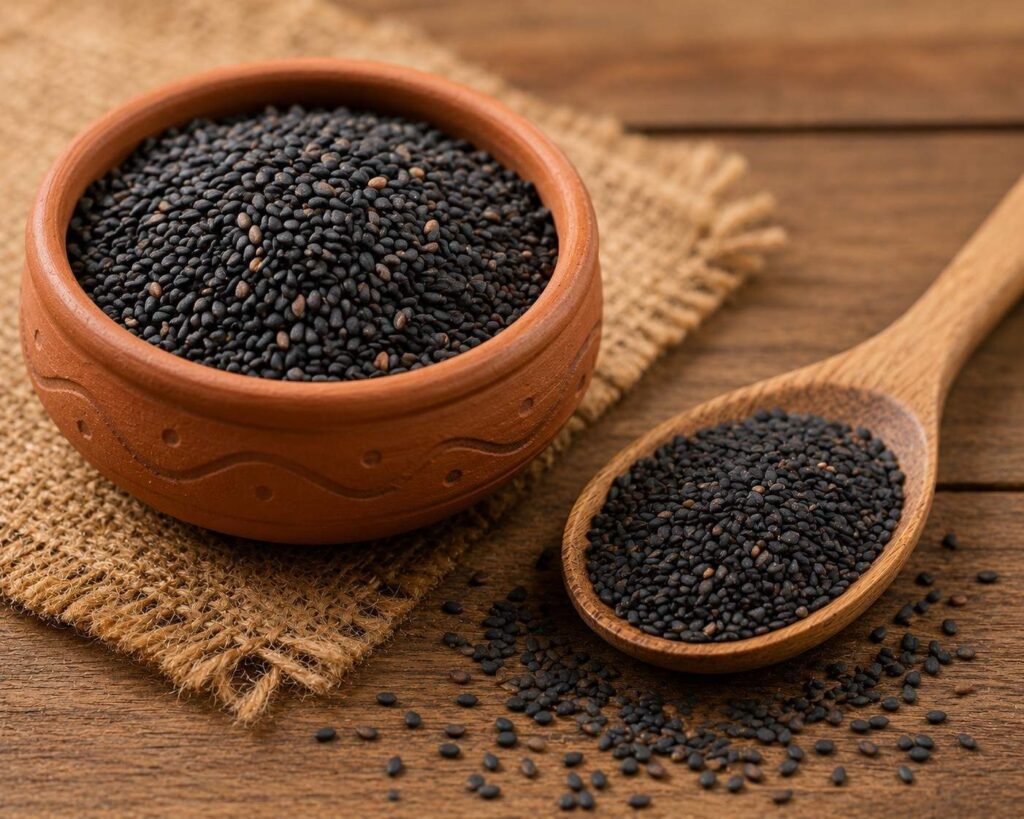
Black sesame seeds are revered in Ayurveda for their ability to support melanin production and delay greying. They contain sesamin and sesamol — antioxidants that protect follicular cells from oxidative stress, which is one of the leading causes of premature greying. They are also a dense source of zinc, calcium, and iron, all of which are linked to healthy hair growth.
How to use: Dry roast a handful of black sesame seeds and consume a tablespoon daily as a dietary remedy. Topically, grind seeds into a coarse paste, mix with coconut oil, and apply as a scalp treatment for 30–45 minutes weekly.
Best for: Premature greying, slow growth, hair thinning due to nutritional deficiency.
12. Lemon Juice — The pH Balancer and Dandruff Remedy
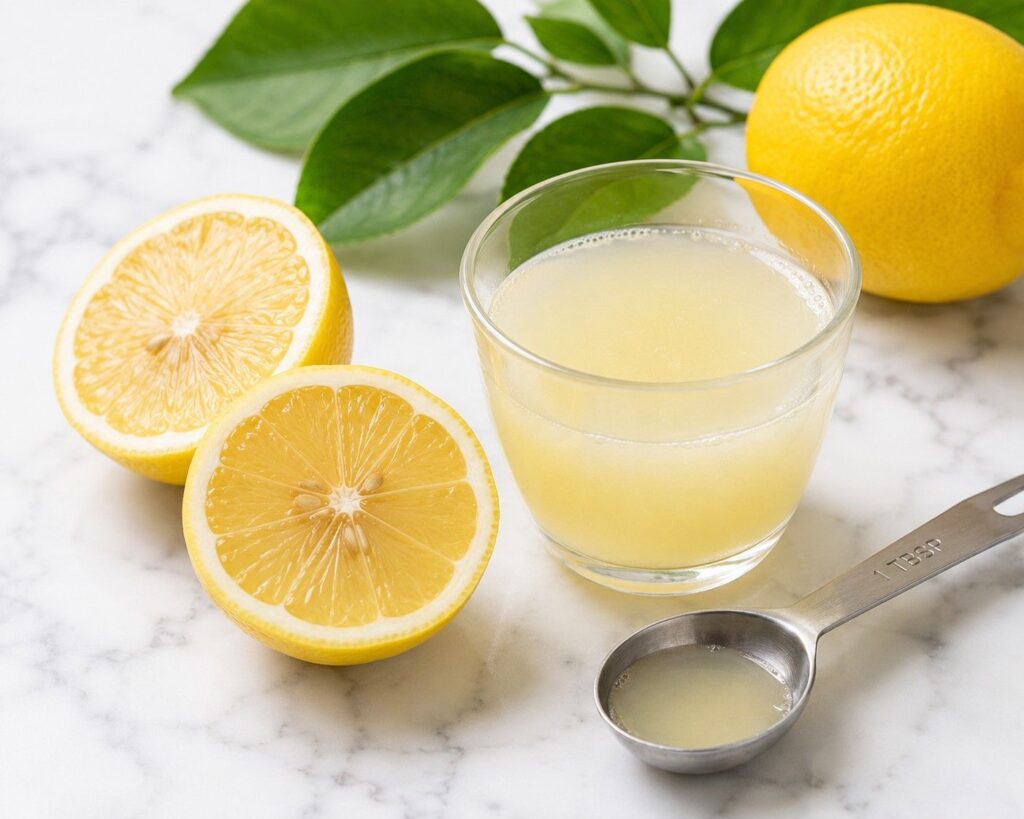
Lemon juice is mildly acidic (pH around 2), and this is what makes it so effective for scalp health. Hard water (common in most of North India, including Delhi, Haryana, Rajasthan) leaves a mineral deposit on the scalp and hair that disrupts the scalp’s natural pH, worsens dandruff, and makes hair dull and rough. A lemon rinse neutralizes this alkaline buildup instantly.
How to use: Mix 2 tablespoons of fresh lemon juice in 2 cups of water. Use as a final rinse after your last shampoo wash. Do not rinse out. For dandruff, apply diluted lemon juice directly to the scalp 20 minutes before shampooing. Avoid sun exposure immediately after topical use on the scalp.
Best for: Hard water damage, dandruff, oily scalp, dull hair.
13. Rice Water — The Ancient Brightening Rinse
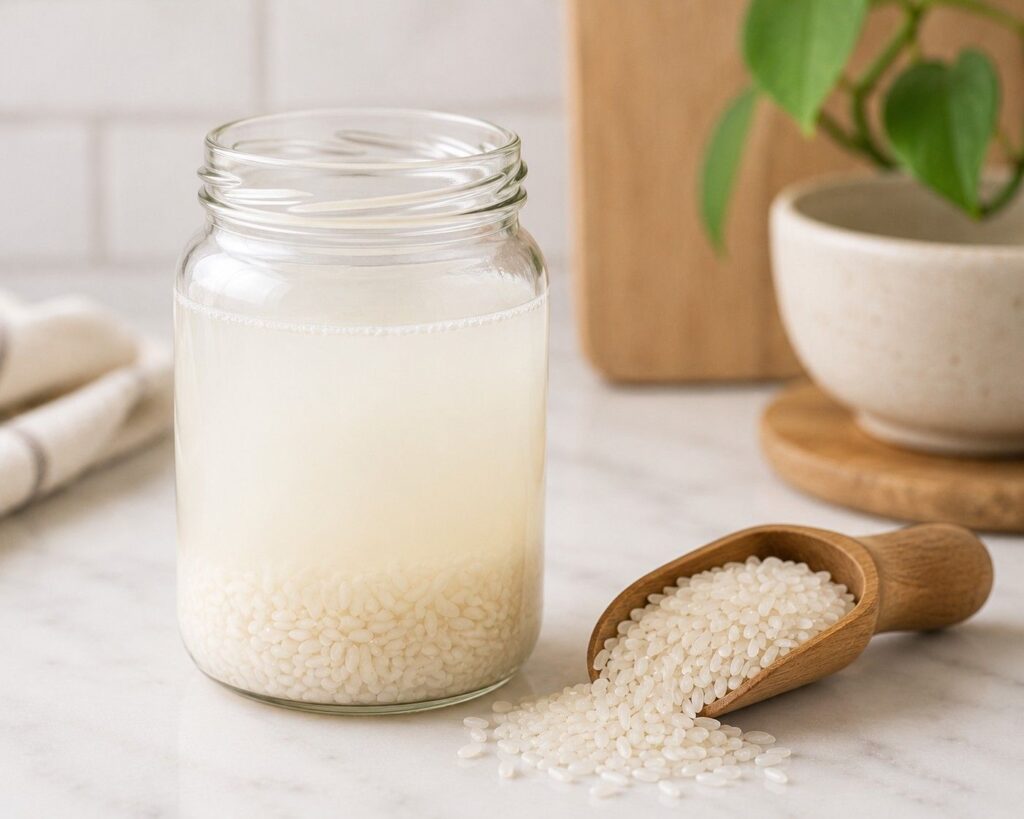
Rice water (the water left after soaking or boiling rice) has been used for hair care by women in Japan, China, and parts of Northeast India for centuries. It contains inositol, a carbohydrate that penetrates the hair shaft and repairs it from within. It also contains amino acids, B vitamins, and antioxidants that improve elasticity, reduce surface friction, and add shine.
How to use: Soak ½ cup of uncooked rice in 2 cups of water for 30 minutes. Strain the rice. Allow the water to sit at room temperature for 12–24 hours to ferment slightly (fermented rice water has higher pitera content, which is more effective). Apply to scalp and hair after shampooing, leave for 5–20 minutes, then rinse.
Best for: Frizzy hair, low elasticity, dull hair, split ends.
14. Honey — The Natural Humectant
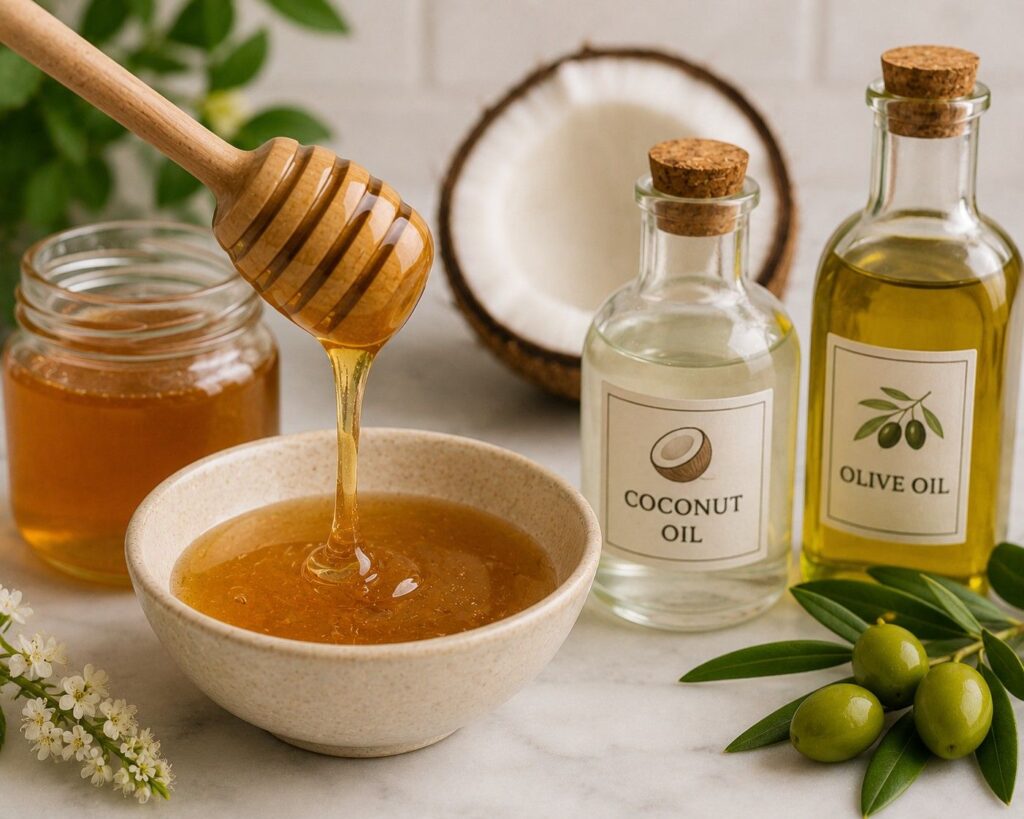
Honey is a humectant — it draws moisture from the air and locks it into the hair shaft. It also contains trace amounts of hydrogen peroxide and antibacterial enzymes, making it mildly antimicrobial for the scalp. Raw, unprocessed honey (available at most local organic or kirana stores) is superior for hair care compared to commercial processed varieties.
How to use: Mix 2 tablespoons of raw honey with 3 tablespoons of olive oil or coconut oil. Apply to damp hair, focusing on lengths and ends. Leave for 20–30 minutes under a shower cap. Rinse thoroughly with warm water, then shampoo lightly.
Best for: Extreme dryness, bleached or heat-damaged hair, frizz, rough cuticles.
15. Curry Leaves (Kadi Patta) — The Follicle Reviver
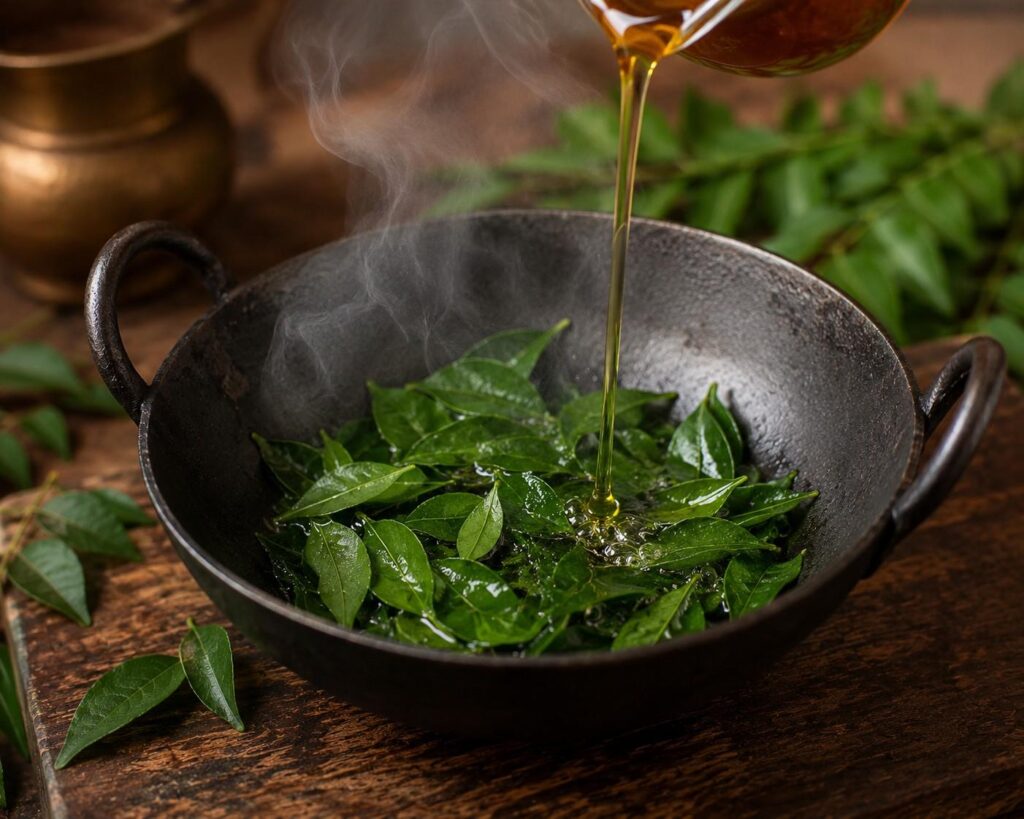
Curry leaves are a regular feature in Indian cooking — and they deserve the same regular spot in your hair care routine. They contain beta-carotene and protein, which reduce hair thinning and stimulate dormant follicles. They also contain amino acids and antioxidants that protect follicles from environmental oxidative stress — which is particularly relevant given the high pollution levels in North Indian cities.
How to use: Heat a handful of fresh curry leaves in coconut oil over a low flame for 5–7 minutes until the leaves turn slightly dark and the oil changes colour. Cool, strain, and massage into the scalp 2–3 times a week. Leave for at least 1 hour before washing. For a more intensive treatment, blend raw curry leaves with curd and apply as a mask.
Best for: Hair thinning, dormant follicles, slow growth, premature greying.
Quick Reference: Kitchen Remedies by Hair Concern
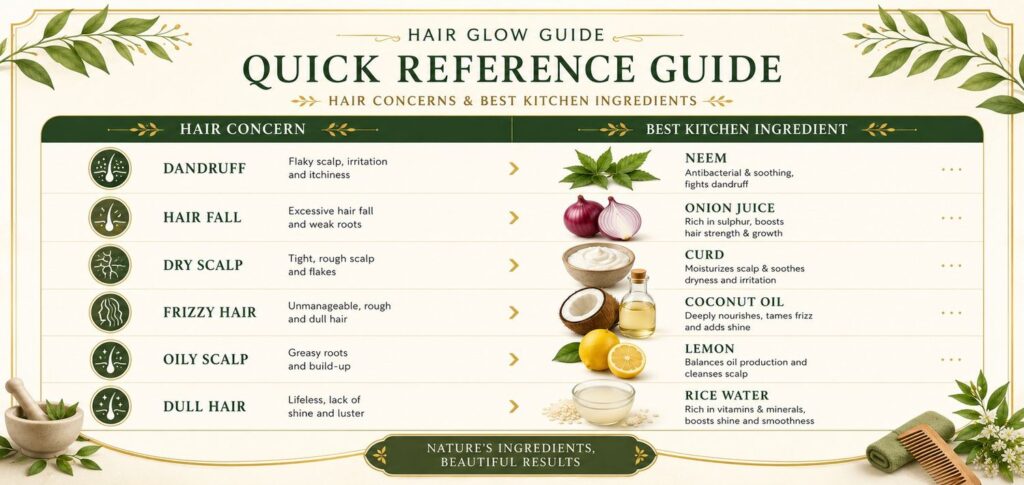
| Hair Concern | Best Kitchen Ingredients |
|---|---|
| Hair fall | Methi, onion juice, bhringraj, curry leaves |
| Dandruff | Neem, lemon juice, curd, aloe vera |
| Premature greying | Amla, bhringraj, black sesame, hibiscus |
| Dryness and frizz | Coconut oil, honey, aloe vera, egg |
| Slow growth | Bhringraj, hibiscus, curry leaves, amla |
| Dull, lifeless hair | Rice water, coconut oil, lemon rinse |
| Hard water damage | Lemon rinse, rice water, coconut oil |
For more information:https://hairglowguide.com/ayurvedic-home-remedies-for-hair-fall/
https://hairglowguide.com/hairglowguide-com-hair-problem-vs-hair-disease-difference/
https://hairglowguide.com/hair-problems-during-monsoon-season/
Frequently Asked Questions
Q1. Which kitchen ingredient is best for hair fall control?
Methi (fenugreek seeds) and onion juice are the two most effective kitchen ingredients for controlling hair fall. Methi is rich in proteins and nicotinic acid that strengthen hair follicles from the root, while onion juice provides sulfur — a key building block of keratin. Used consistently 2–3 times a week, both show visible reduction in hair fall within 4–6 weeks. For severe hair fall, bhringraj oil massage twice a week is also highly recommended.
Q2. Can I use kitchen ingredients for hair growth every day?
Most kitchen ingredient home remedies for hair are gentle enough for frequent use, but daily application is generally not necessary and can sometimes be counterproductive. Oily ingredients like coconut oil or egg masks used daily can lead to product buildup and clogged follicles. The ideal frequency is 2–3 times per week for oil-based treatments and masks, and once daily for lighter remedies like rice water rinse or aloe vera gel on the lengths. Consistency over weeks matters more than daily use.
Q3. Which kitchen remedy works best for dandruff on oily scalp?
For an oily, dandruff-prone scalp — which is very common in humid Indian climates — neem water rinse and diluted lemon juice are the most effective kitchen remedies. Neem’s antifungal properties directly target the Malassezia fungus responsible for dandruff, while lemon juice balances the scalp’s pH and controls excess sebum production. Apply diluted lemon juice to the scalp 20 minutes before shampooing, then finish with a neem water rinse after washing for best results.
Q4. How long does it take for kitchen ingredient home remedies to show results on hair?
Most kitchen ingredient home remedies for hair require a minimum of 4–6 weeks of consistent use before noticeable results appear. This is because the hair growth cycle itself is slow — the anagen (active growth) phase takes time to respond to any treatment, natural or chemical. Remedies targeting dandruff or scalp conditions tend to show faster results (within 2–3 weeks), while treatments for hair growth, greying, or significant thickness improvement may take 8–12 weeks of regular use.
Q5. Can kitchen ingredients help with hair greying in Indian women?
Yes, certain kitchen ingredients can slow down and in some cases help reverse premature greying, particularly when it is caused by nutritional deficiencies or oxidative stress rather than genetics. Amla is the most powerful anti-greying kitchen ingredient due to its exceptionally high Vitamin C content, which supports melanin production. Black sesame seeds (kale til), bhringraj oil, and curry leaves in coconut oil are also traditionally used and supported by Ayurvedic research for delaying greying. Both topical application and dietary consumption together give the best results.
Final Word
The beauty of kitchen ingredient home remedies for hair is that they work with your body, not against it. There are no harsh chemicals stripping your scalp’s natural oils or disrupting your follicular environment. These ingredients have been trusted across Indian households for generations — and modern science is now consistently validating what our grandmothers already knew.
Start with one or two remedies that address your most pressing concern. Be consistent — most natural treatments require 4–8 weeks of regular use before visible results appear. And whenever possible, pair topical remedies with dietary sources of the same nutrients: eat your amla, eat your black sesame seeds, eat your methi — because truly healthy hair is always grown from the inside out.

 Admin
Admin