 Admin
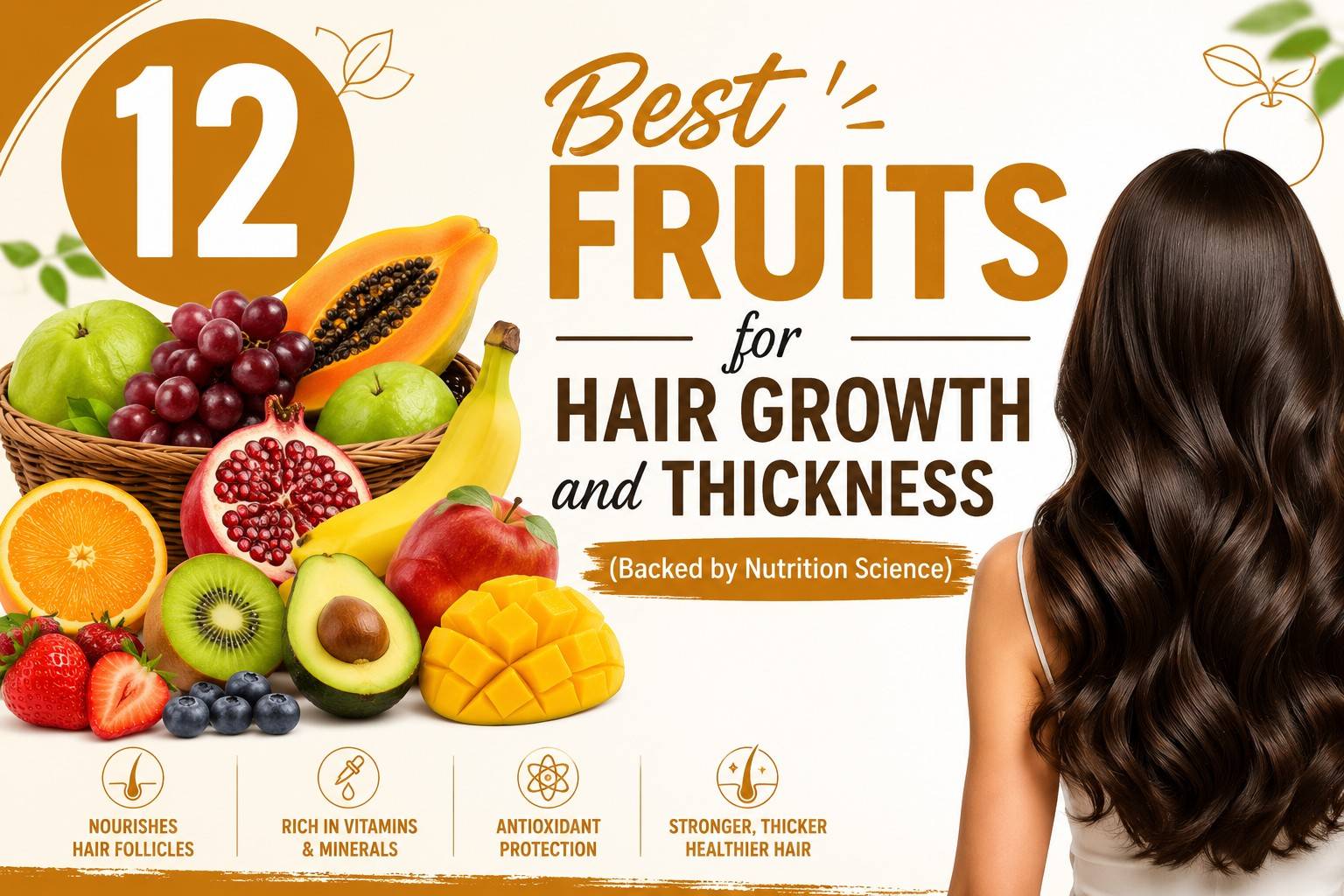
Admin If your plate is missing fruits, your hair is probably missing something too. Most of us focus on oils, shampoos, and hair masks the moment hair fall or thinning starts bothering us, but the real foundation of strong, thick hair usually comes from what’s on your breakfast table, not your bathroom shelf.
Fruits are loaded with vitamins, antioxidants, and minerals that directly feed your hair follicles from the inside. Dermatologists often point out that hair is one of the last tissues in the body to receive nutrients, since the body prioritises vital organs first. This means if your diet has even a slight gap, your hair is usually the first place it shows up, as dullness, slow growth, or excessive shedding.
The good news is you don’t need anything fancy or imported to fix this. Most of the best fruits for hair growth and thickness are sitting right in your local sabzi mandi, often for under ₹50 a kilo. Let’s go through 12 fruits that genuinely make a difference, why they work on a nutritional level, and how you can fit them into a regular Indian diet without much effort or expense.
Why Fruits Matter So Much for Hair Growth and Thickness
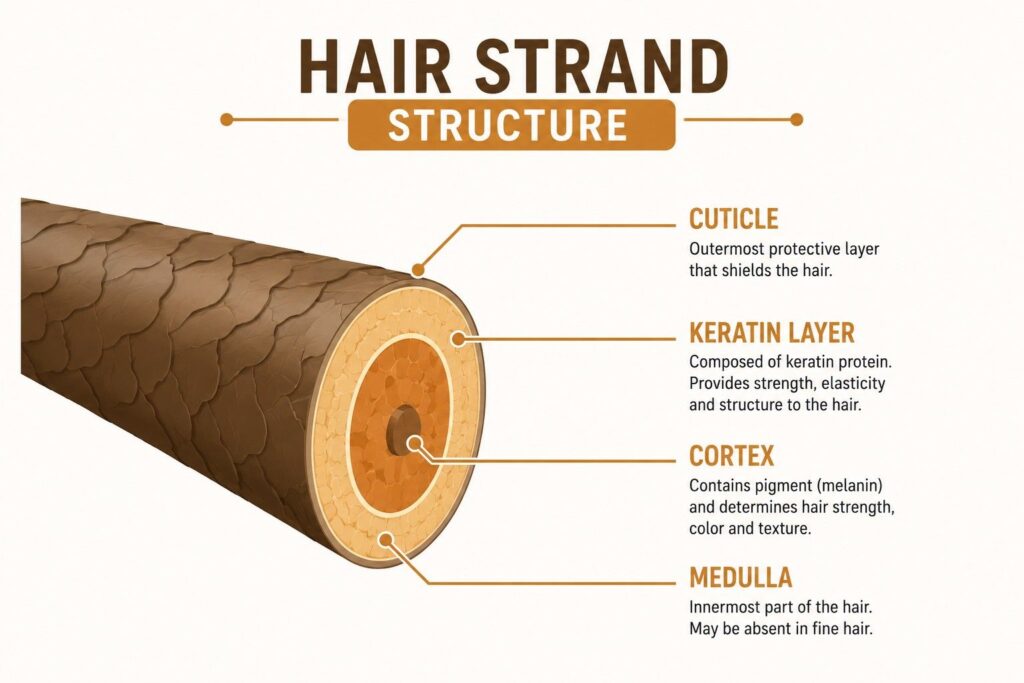
Hair is made mostly of a protein called keratin, but it needs a steady supply of vitamin C, vitamin A, biotin, iron, and antioxidants to grow properly and stay thick. A lot of hair fall and thinning in Indian households is linked to poor gut health, low iron levels, and vitamin deficiencies rather than genetics alone. In fact, many women who visit dermatologists for hair thinning are eventually told their bloodwork shows low ferritin or vitamin D, both of which are influenced heavily by overall diet quality.
Fruits help in three specific ways. First, they supply antioxidants that protect hair follicles from oxidative stress caused by pollution, UV exposure, and everyday stress, all of which are common in Indian cities. Second, they support collagen production, which strengthens the hair shaft and reduces breakage at the mid-lengths and ends. Third, many fruits improve blood circulation to the scalp, which means more oxygen and nutrients actually reach the roots where new hair is formed.
This is also why a lot of dietitians now recommend pairing fruit-based nutrition with proven topical methods, like the ones covered in 15 Kitchen Ingredient Home Remedies for Hair That Actually Work, since internal nutrition combined with external care tends to produce faster, more visible results than either approach alone.
Now let’s get into the actual fruits.
1. Amla (Indian Gooseberry) – The Real King of Hair Growth Fruits
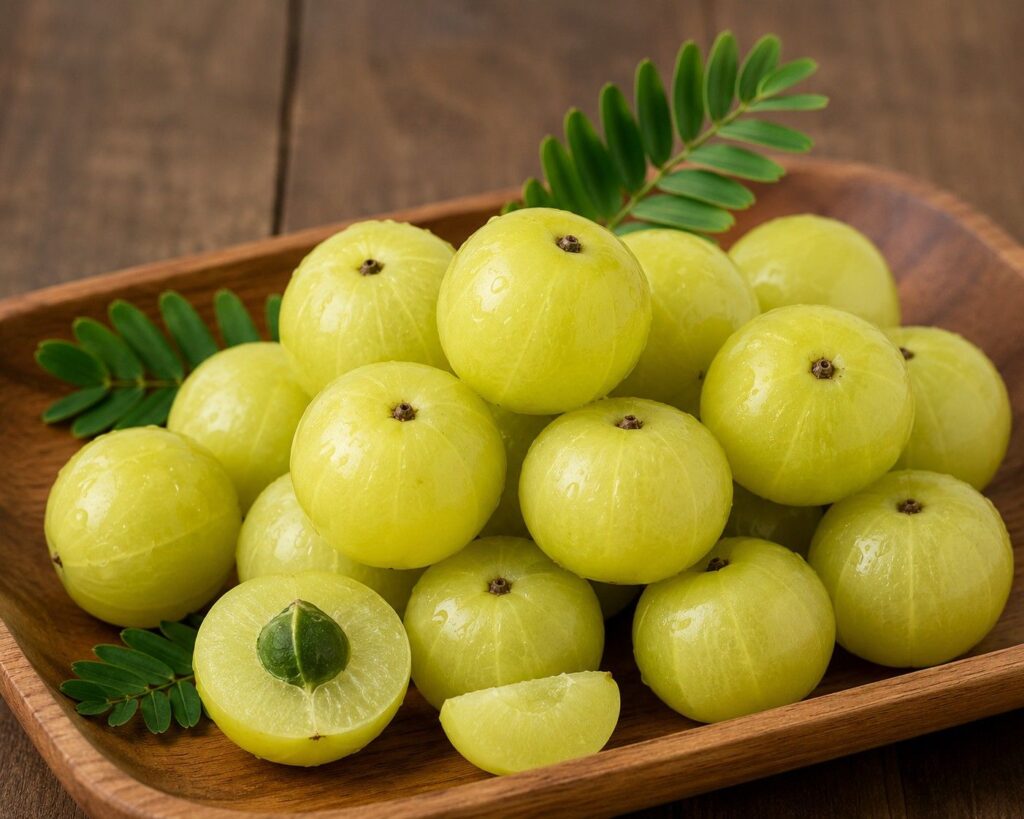
Amla is probably the most talked-about fruit in Indian hair care, and honestly, it deserves the hype. One amla has roughly eight times more vitamin C than an orange of the same size, and vitamin C plays a direct role in collagen formation, which keeps hair strands strong and far less prone to breakage during combing or styling.
Amla also contains tannins and polyphenols, plant compounds known for their antioxidant activity, which help fight premature greying and protect hair follicles from cellular damage over time. In Ayurveda, amla has been used for centuries specifically for hair nourishment, and modern nutrition research is now backing up many of those traditional claims.
You can eat it raw with a pinch of salt, drink fresh amla juice on an empty stomach, or simply add amla powder to warm water every morning. Many people find raw amla too tart, so mixing it with a little honey or jaggery makes it easier to consume daily without losing its benefits.
2. Guava – Vitamin C Powerhouse for Stronger Strands
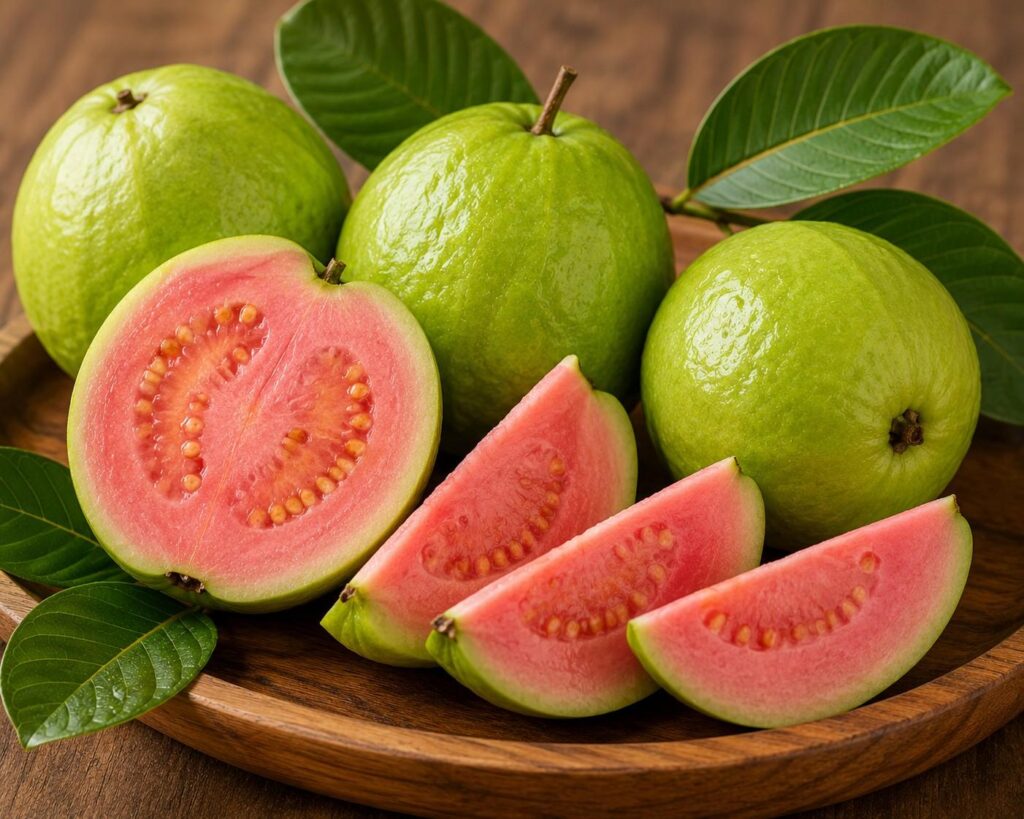
Guava actually contains more vitamin C than oranges, gram for gram, which makes it one of the most underrated fruits in everyday Indian diets. Since vitamin C helps your body absorb non-heme iron more efficiently, and iron deficiency is one of the biggest causes of hair fall in Indian women, especially those who menstruate heavily or follow a vegetarian diet, guava becomes a quiet but powerful ally here.
Beyond vitamin C, guava is also rich in dietary fibre, which supports gut health. A healthier gut means better nutrient absorption overall, and that includes the vitamins and minerals your hair follicles depend on for growth.
Eating one guava daily, especially with the skin on since most of the fibre and antioxidants are concentrated there, gives your body a strong dose of nutrients that support scalp health and reduce shedding caused by nutrient gaps. It’s best eaten in the morning or as an evening snack, away from milk-based foods, since guava can sometimes cause bloating when combined with dairy.
3. Papaya – Helps Fight Dandruff and Scalp Buildup
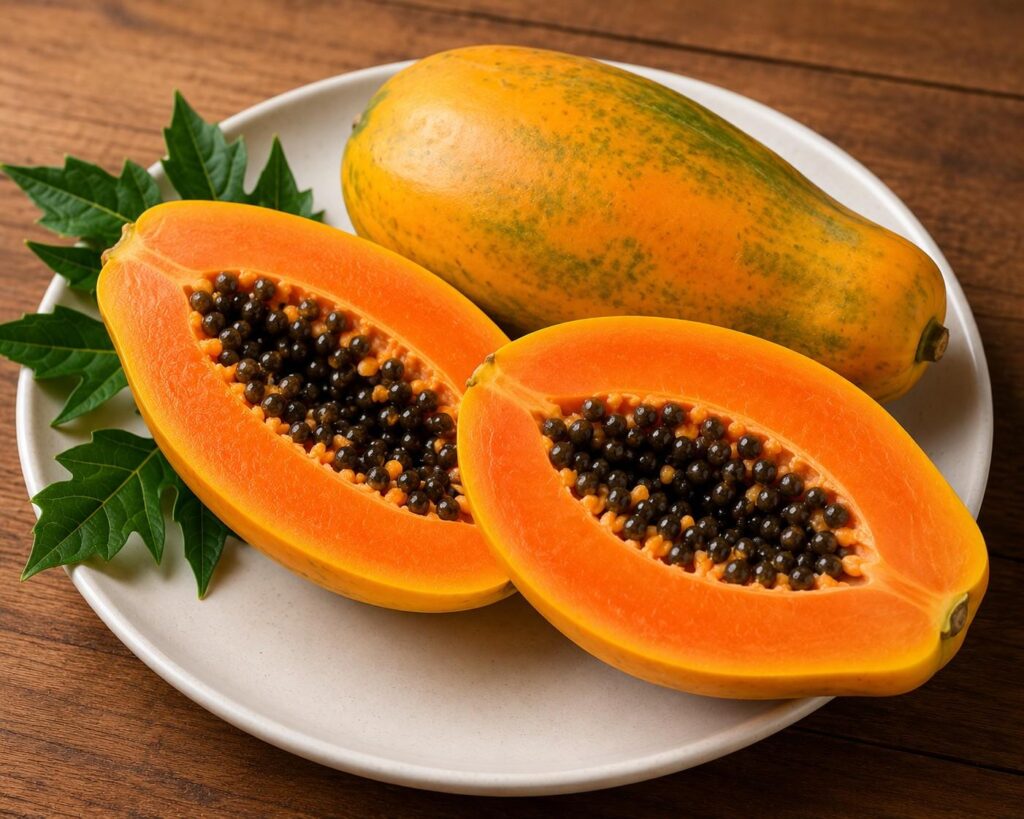
Papaya is rich in vitamin A, which helps regulate sebum production on the scalp. When sebum production is unbalanced, either too much or too little, it often leads to dandruff, itching, or blocked hair follicles, all of which directly affect hair thickness and the overall health of new hair growth.
Papaya also contains an enzyme called papain, which aids digestion by breaking down proteins more efficiently. Since hair itself is a protein structure, better protein digestion often translates into better raw material being available for hair growth, something many people overlook when they focus only on topical treatments.
A bowl of ripe papaya in breakfast is an easy win, and it’s gentle enough to be eaten almost daily without any digestive discomfort, making it one of the most practical fruits to build a long-term habit around.
4. Banana – A Daily Fruit for Hair Growth and Thickness
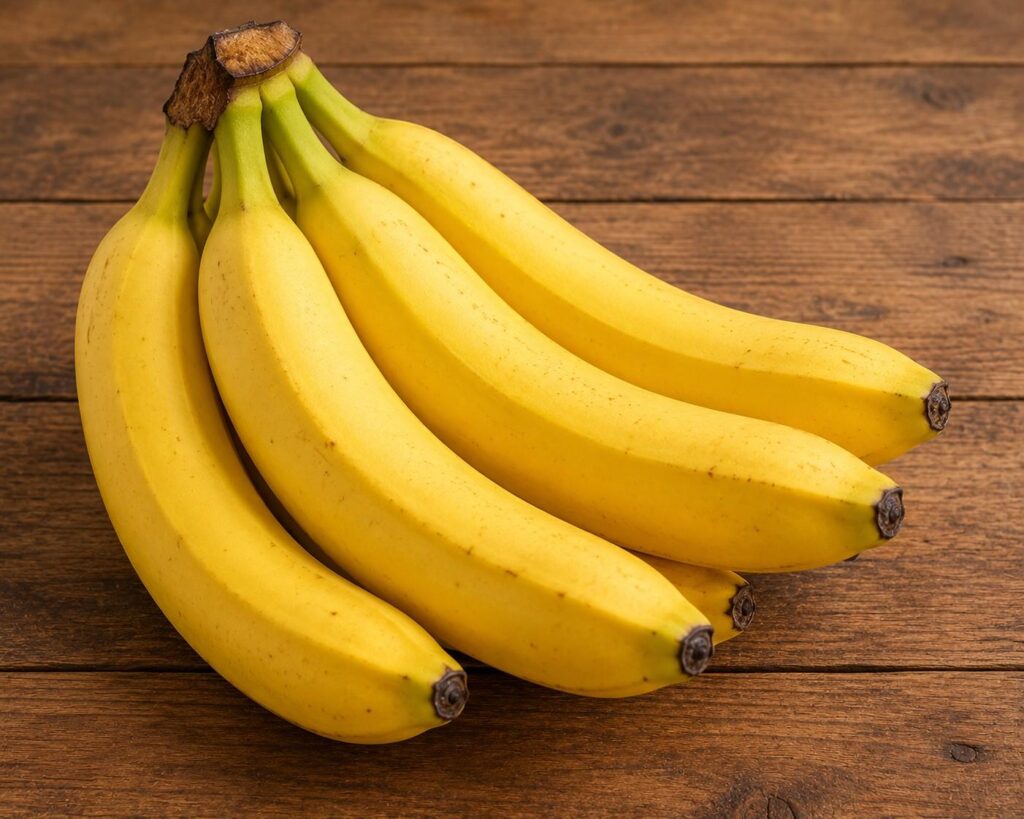
Bananas are rich in potassium, vitamin B6, and natural oils that strengthen hair from within. Vitamin B6 specifically plays a role in red blood cell formation, which matters because healthy circulation is what carries oxygen and nutrients to active hair follicles on the scalp.
Bananas are also gentle on digestion, which matters a lot since poor gut absorption is a hidden reason behind slow hair growth in many people, even those eating a generally healthy diet. Unlike some fruits that can cause acidity on an empty stomach, bananas are well tolerated by most people at almost any time of day.
Bananas are easy to add anywhere, in smoothies, with milk, or just on their own, making them one of the most practical fruits for hair growth and thickness for daily Indian routines, especially for people who don’t have time to prepare elaborate meals.
5. Pomegranate – Boosts Scalp Circulation Naturally
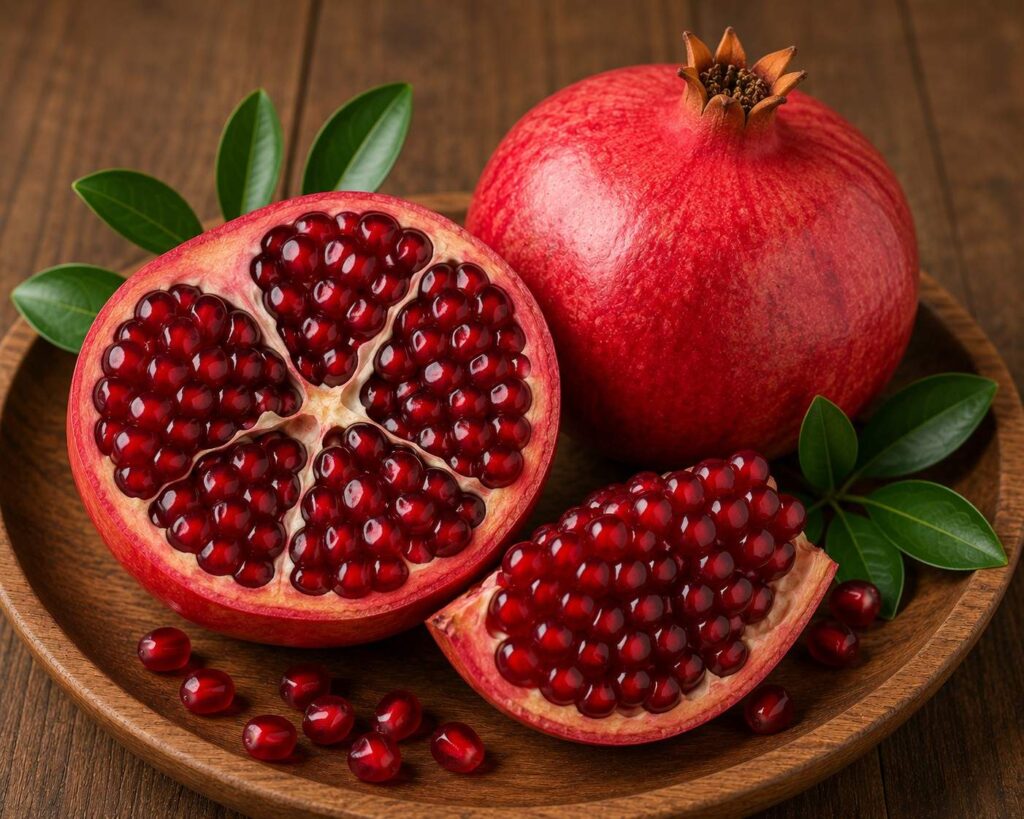
Pomegranate is packed with punicic acid and a class of antioxidants called polyphenols, both of which improve blood flow to the scalp. Better circulation means hair follicles get oxygen and nutrients more efficiently, which is directly linked to thicker, healthier regrowth over time rather than just preventing fall.
It also helps reduce inflammation in the body, and chronic low-grade inflammation is often an underlying factor in stubborn hair thinning that doesn’t respond to oils or shampoos alone. This is one of the reasons pomegranate is often recommended alongside other anti-inflammatory dietary changes for people dealing with long-term hair issues.
A small bowl of pomegranate seeds a few times a week is an easy and genuinely tasty addition, and it works well sprinkled over fruit salads, yogurt, or even eaten on its own as a snack.
6. Oranges and Mosambi – Classic Vitamin C Boosters
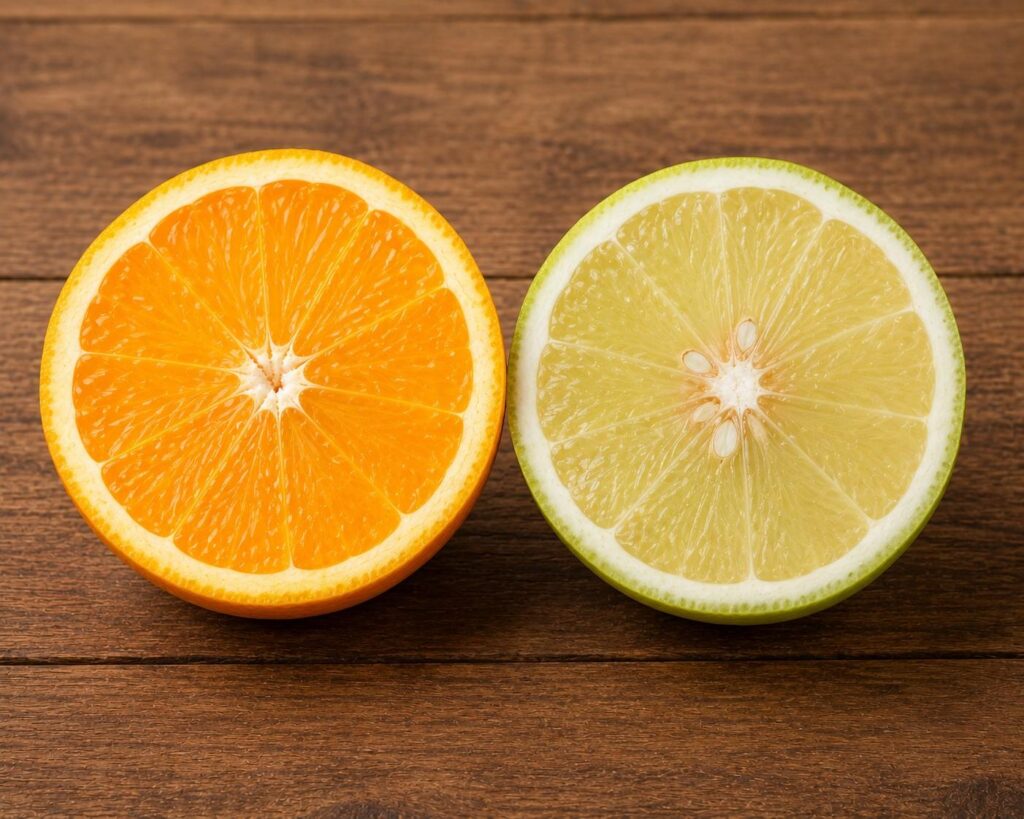
Citrus fruits like oranges and mosambi are excellent vitamin C sources that support collagen production and iron absorption, two things your hair desperately needs if you’re dealing with thinning or excessive fall. Vitamin C also acts as an antioxidant that protects the scalp’s skin barrier, which is often overlooked in hair health conversations.
Since most Indian diets, especially vegetarian ones, are slightly low on iron-rich absorption, pairing citrus fruits with your meals rather than eating them separately can actually improve how much iron your body uses for hair growth. For example, having a glass of mosambi juice alongside a meal containing dal or leafy greens can meaningfully boost iron uptake compared to eating them at different times.
7. Apple – Supports Scalp Health and Reduces Hair Fall
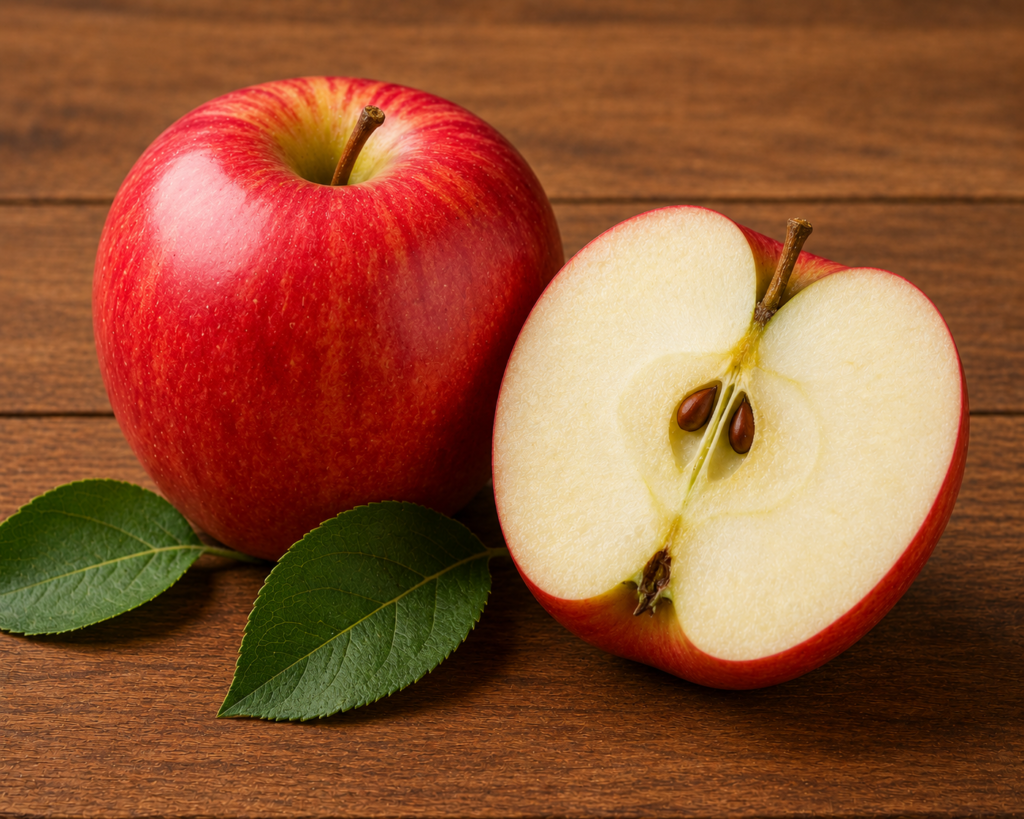
Apples contain a compound called procyanidin B2, which has been studied specifically for its ability to stimulate hair growth by activating hair follicle cells. While most research on this is still in early stages, the broader nutritional profile of apples, especially their fibre and vitamin C content, clearly supports better digestion and nutrient delivery to hair follicles.
Apples also have a mild detoxifying effect on the liver when eaten regularly, and liver health plays an underappreciated role in hair quality, since the liver is responsible for filtering toxins and regulating hormones that can otherwise contribute to hair thinning.
Eating an apple a day, especially unpeeled since the skin holds most of the fibre and antioxidants, is a simple, low-effort habit that supports both scalp health and overall hair thickness over the long run.
8. Watermelon – Hydration That Hair Actually Needs
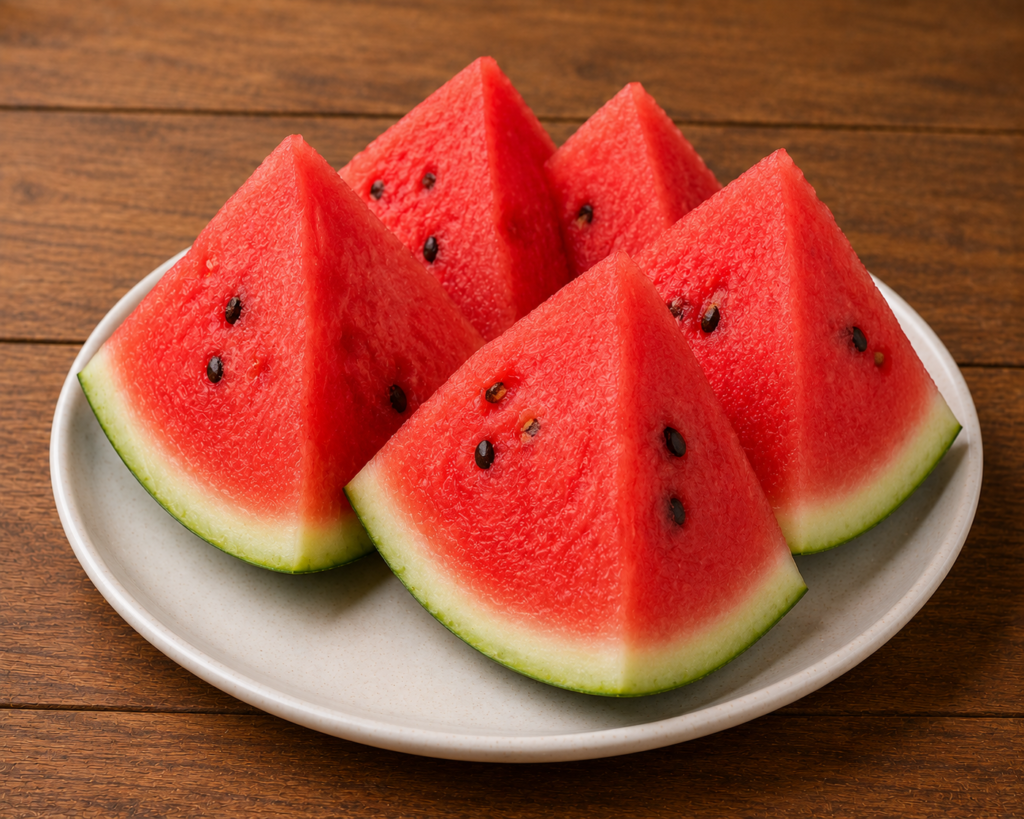
We rarely think of hydration as a hair growth factor, but dehydrated scalps often lead to dryness, flakiness, and weaker strands that break more easily. Watermelon is over 90 percent water and also contains an amino acid called citrulline, which supports blood vessel function and improves overall circulation.
Especially during Indian summers, when heat and sweat can affect scalp health significantly, watermelon helps maintain hydration from within, which keeps hair follicles in a healthier growth environment compared to relying only on external hydration through conditioners or serums.
It’s best eaten on its own, away from other meals, since watermelon digests quickly and can cause bloating if combined with heavier foods.
9. Grapes – Antioxidant-Rich Fruit for Hair Thickness
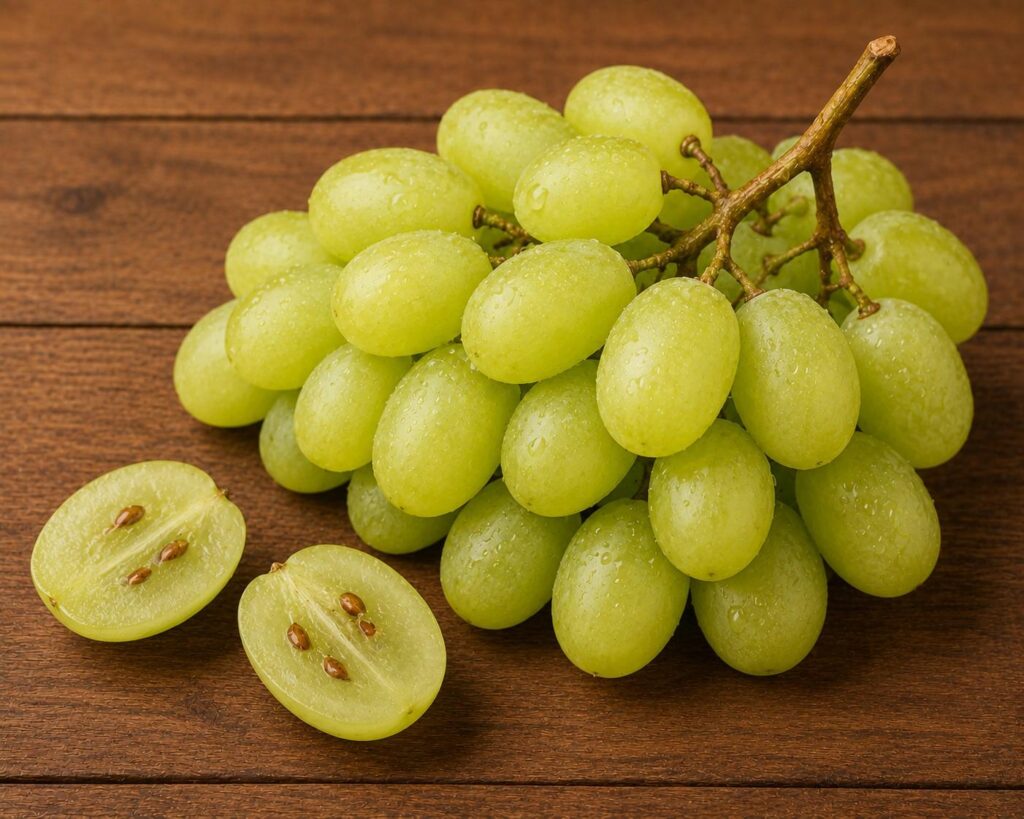
Grapes, especially when eaten with seeds, contain resveratrol and proanthocyanidins, two powerful antioxidants that protect hair follicles from oxidative stress and may help extend the active growth phase of hair, known as the anagen phase. A longer anagen phase generally means hair grows thicker and longer before naturally shedding.
Grapes also have a mild detoxifying property that supports liver and kidney function, both of which indirectly influence how well your body processes the nutrients needed for hair growth.
A small bowl of grapes as an evening snack is an easy way to fit this into your routine without much planning, and it works particularly well for people who find it hard to eat fruits in the morning due to time constraints.
10. Kiwi – An Underrated Fruit for Hair Growth and Thickness
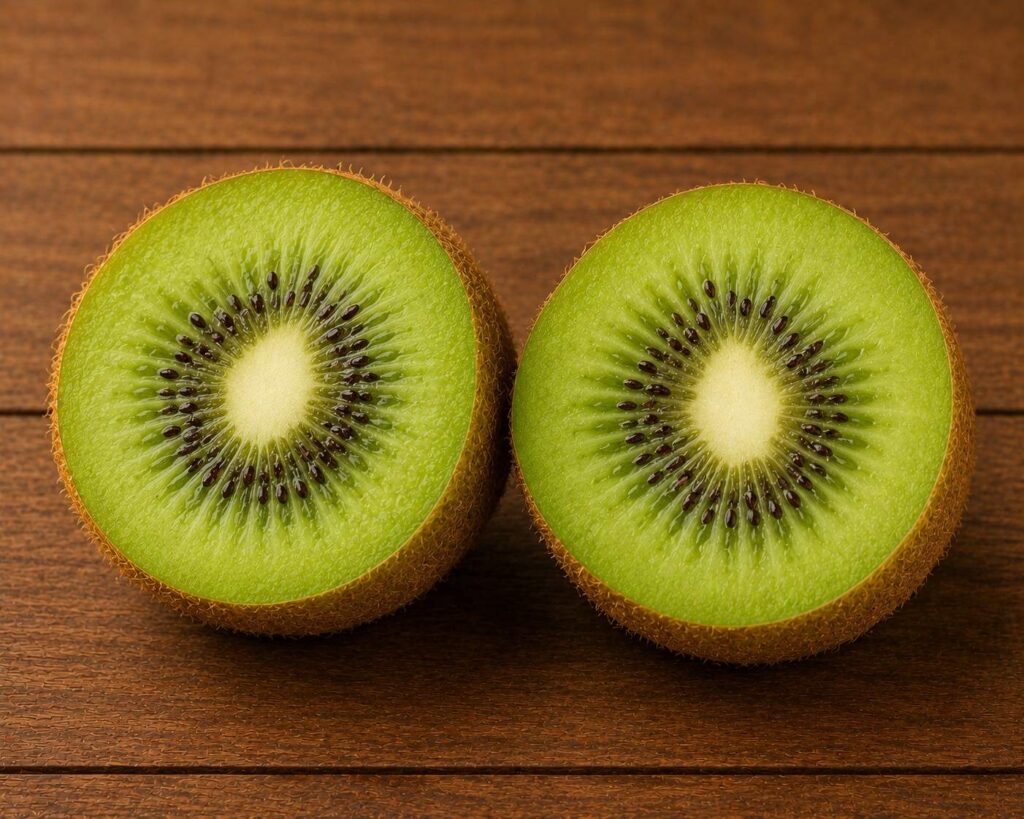
Kiwi is loaded with vitamin C and vitamin E, both crucial for scalp health and reducing oxidative damage to hair follicles. Vitamin E specifically helps maintain the scalp’s lipid barrier, which keeps moisture locked in and reduces dryness-related hair fall.
It’s not as commonly eaten in Indian households as bananas or apples, but it’s becoming more available and affordable in cities now, especially in supermarkets and online grocery platforms. Many nutritionists consider kiwi one of the most nutrient-dense fruits available, meaning you get a lot of benefit even from a small daily portion.
Adding kiwi to a fruit bowl or smoothie a few times a week gives your hair a nutrient boost that’s genuinely hard to get from more commonly eaten fruits.
11. Strawberries – Vitamin C and Biotin in One Bite
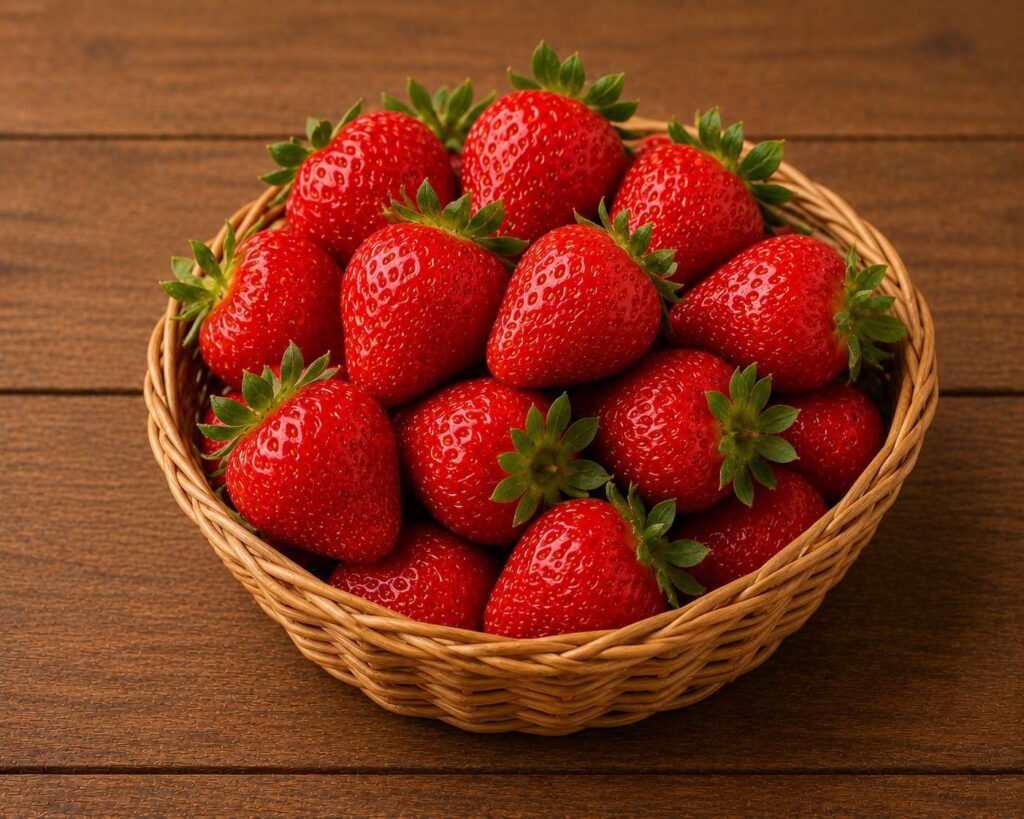
Strawberries contain a good mix of vitamin C and small amounts of biotin, both directly linked to hair strength and growth. Biotin specifically supports keratin production, and while severe biotin deficiency is rare, even mild insufficiency can contribute to weaker, thinner-looking hair over time.
Strawberries also contain anthocyanins, antioxidants that give them their red colour and help reduce scalp inflammation, similar to the effect seen with pomegranate.
While not a traditional Indian fruit, strawberries are now widely available in most cities and make a great addition to your weekly fruit rotation, especially mixed with yogurt or added to a simple fruit salad.
12. Figs (Anjeer) – Iron and Fibre for Thicker Hair
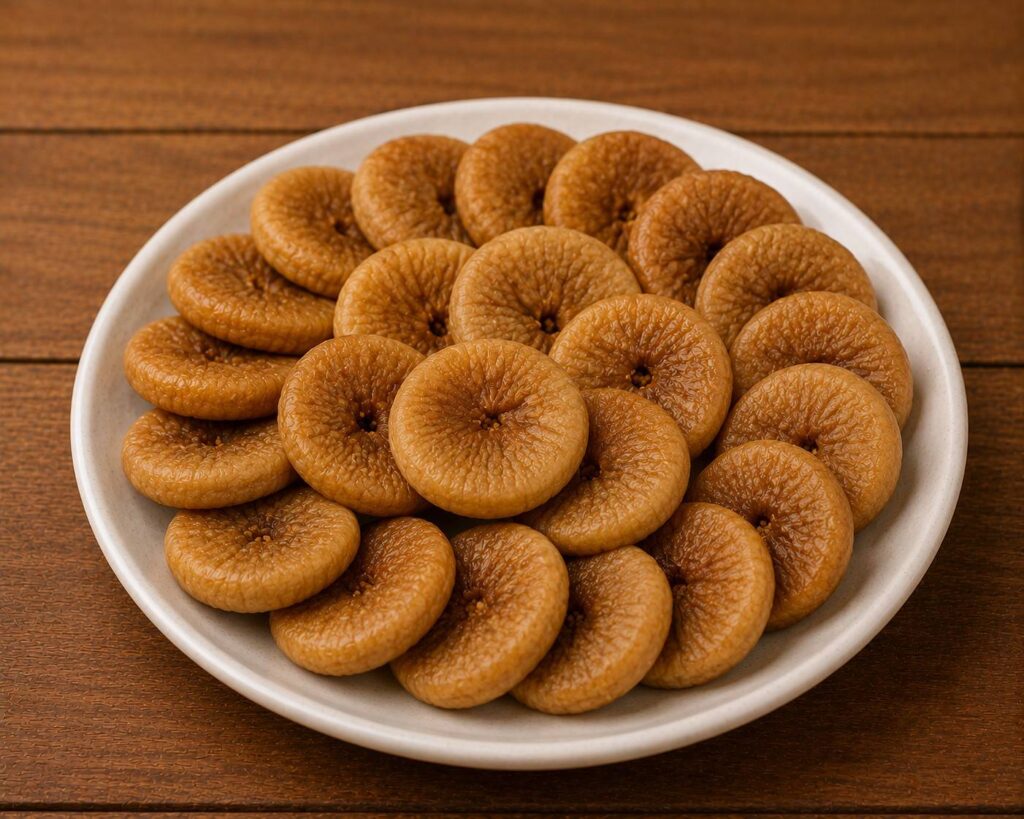
Anjeer is rich in iron, magnesium, and fibre, all of which support healthy hair growth, especially for people dealing with iron-deficiency related hair fall, which is extremely common among Indian women due to dietary patterns and menstrual blood loss. Iron is essential because it helps red blood cells carry oxygen to hair follicles, and low iron is one of the most frequently missed causes of chronic hair thinning.
You can eat anjeer dried or soaked overnight in water. Soaking actually improves nutrient absorption and makes the fruit easier to digest, which is why many traditional Indian households recommend soaked anjeer over the dried version for daily consumption.
Common Mistakes People Make While Eating Fruits for Hair Growth

A lot of people eat the right fruits but still don’t see results, usually because of small but important mistakes. Eating fruits right after a heavy meal is one common issue, since this can interfere with digestion and reduce nutrient absorption. It’s generally better to eat fruits either first thing in the morning or as a standalone snack between meals.
Another common mistake is relying on fruit juice instead of whole fruits. Juicing removes most of the fibre, which not only affects digestion but also causes a quicker sugar spike without the same nutritional benefit. Whole fruits, eaten with their natural fibre intact, are almost always the better choice for sustained hair health benefits.
Lastly, many people give up after just two or three weeks because they don’t see immediate results. Hair growth operates on a cycle that takes months, not days, so consistency matters far more than intensity.
How to Add These Fruits to Your Daily Indian Diet
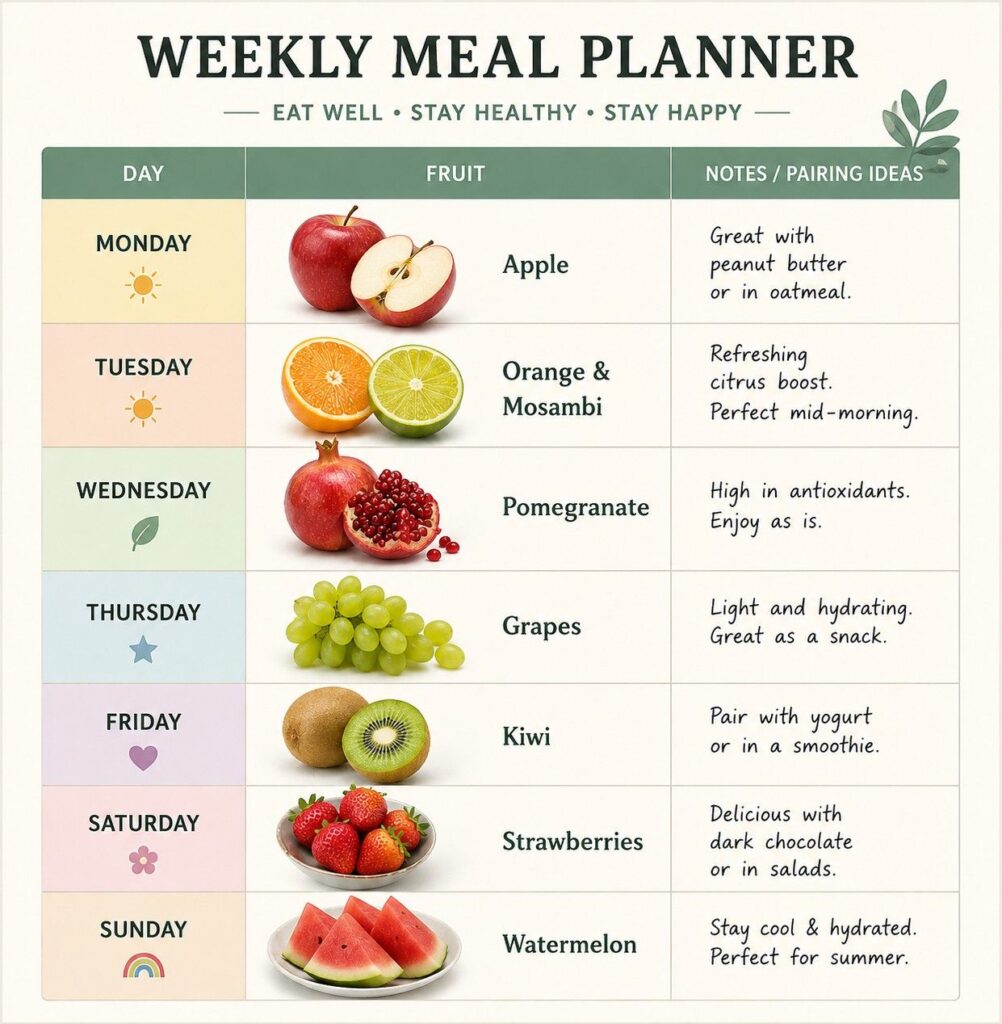
You don’t need to eat all 12 fruits every day. A realistic approach is rotating three to four fruits daily across breakfast, mid-meal snacks, and evening cravings. For example, amla in the morning, banana mid-morning, and a bowl of pomegranate or grapes in the evening works well for most people without feeling like a chore.
If your hair fall is more serious or constant, dietary changes alone may take a few months to show visible results. Combining fruit-based nutrition with targeted treatments, like the remedies explained in 12 Ayurvedic Home Remedies for Hair Fall That Actually Work, tends to speed things up significantly, since topical treatments work on the scalp directly while diet works from within.
It’s also worth remembering that diet helps most with hair thinning caused by nutritional gaps, not with every type of hair issue. If you’re noticing patchy bald spots, scalp infections, or sudden severe shedding, that may not be a diet problem at all. Understanding the difference is important, and this guide on Hair Problem vs Hair Disease: What’s the Difference breaks it down clearly so you know when food alone is enough and when you need a dermatologist instead.
FAQ Section
Q1. Which fruit is best for hair growth and thickness?
Amla is widely considered the best single fruit for hair growth and thickness because of its extremely high vitamin C content, which supports collagen production and reduces hair fall.
Q2. Can eating fruits really stop hair fall?
Fruits alone may not stop hair fall caused by hormonal or medical issues, but they significantly help with hair fall linked to nutritional deficiencies, which is one of the most common causes in India.
Q3. How long does it take to see results from eating fruits for hair growth?
Most people notice visible improvement in hair thickness and reduced shedding within 8 to 12 weeks of consistent fruit intake, since hair growth cycles take time.
Q4. Is fruit juice as effective as eating whole fruits for hair growth?
Whole fruits are generally more effective because they retain fibre and nutrients that get lost during juicing, though fresh amla or pomegranate juice still offers good benefits in moderation.
Q5. Can I eat these fruits every day?
Yes, most of these fruits are safe for daily consumption in normal portions, though it’s best to rotate them rather than relying on just one fruit for all your nutrients.
Q6. What is the best time to eat fruits for hair growth?
Morning, on an empty stomach or as a mid-meal snack, is generally best, since this allows for better nutrient absorption compared to eating fruits right after a heavy meal.
Final Thoughts
Thick, healthy hair isn’t built overnight, but consistent small habits, like adding the right fruits to your daily diet, genuinely add up over a few months. Amla, guava, papaya, and pomegranate are especially worth prioritising if you’re looking for fruits that are both effective and easily available in Indian markets.
Start with two or three fruits you already enjoy, stay consistent, and pair it with good scalp care, and you’ll likely notice less hair fall and better thickness within 8 to 12 weeks.

 Admin
Admin